 Retro Replay Retro Gaming History, Reviews & Emulation
Retro Replay Review
Gameplay
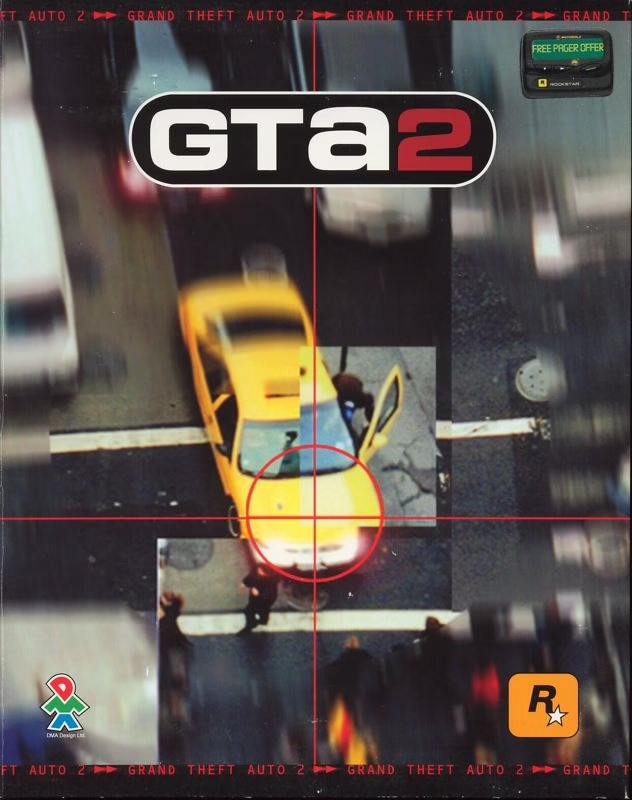
The first hour of Grand Theft Auto 2 is a compact lesson in why this series caught on. You are dropped into an overhead city where nearly any vehicle is fair game, phones deliver criminal work, and an ordinary drive can become a police chase in seconds. There is immediate pleasure in treating the streets like a toy box: steal a ride, plow through traffic, pocket some cash, then decide whether the ringing phone is worth answering.
Its best new wrinkle is the seven-gang respect system. Working for one crew can damage your standing with another, so missions are not merely a queue of jobs; they gradually push you into allegiances. That gives the mayhem a little strategy. You can no longer assume that every criminal group is happy to see you, and it is satisfying when you start understanding which jobs help your current position and which ones create a fresh set of enemies.
The city opens district by district as your score rises, covering downtown, residential, and industrial areas. This structure gives the single-city setup more drive than simply handing over everything at once. Crimes and mission completion both matter, which suits the game’s unruly spirit: focused work moves you ahead, but a profitable detour can still contribute.
Police pressure is where the game becomes most exciting and most punishing. Let your wanted status build without escaping, and ordinary cops yield to SWAT teams, Special Agents, and eventually the army. These escalations make a clean getaway feel earned, although they can also derail a plan quickly when you have been reckless for too long. Save at churches by donating money whenever you can; losing a good run is far more aggravating than paying the fee.
Side work such as taxi driving and weaponized vehicles keep the city from feeling like a mission dispenser. A firetruck with a flamethrower or a car armed with machine guns is exactly the kind of ridiculous discovery that encourages one more lap around town. The driving and shooting remain blunt, immediate tools for causing damage rather than refined systems, but that directness is part of the charm.
Graphics
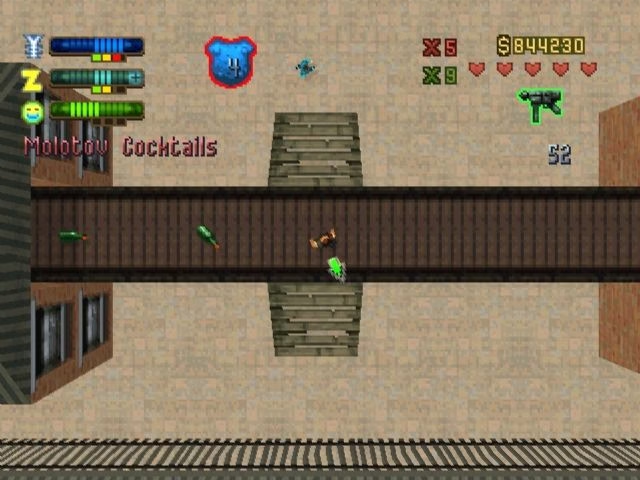
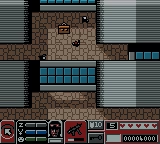
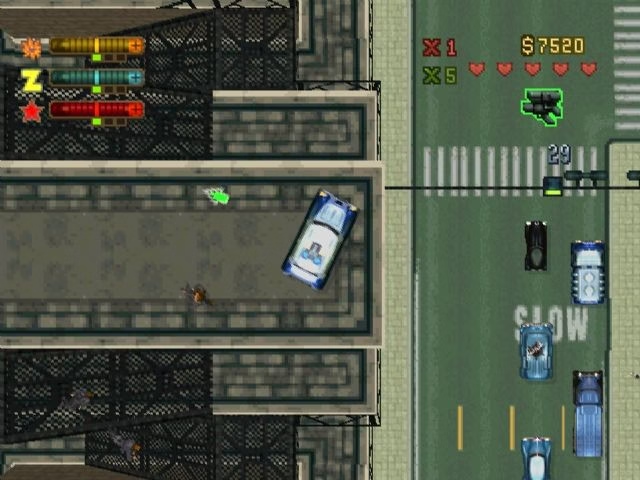
The overhead camera keeps cars, pedestrians, and street-level chaos in view, making rapid escapes and crowded chases easy to parse. The city is a 3D landscape viewed from above, with downtown, residential, and industrial districts providing a clear change of surroundings as you unlock them.
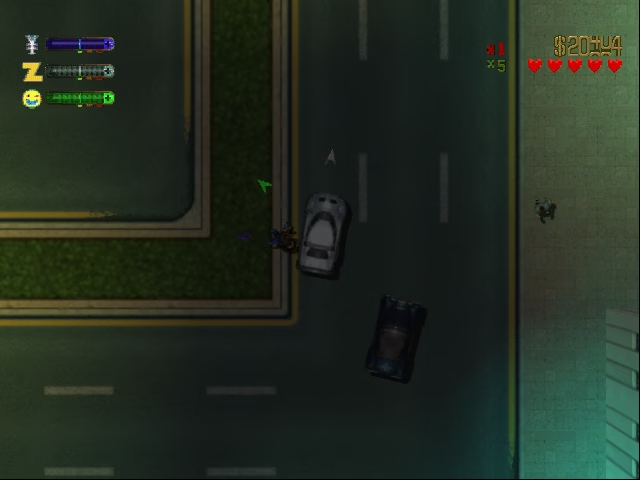
Windows players can switch between noon and dusk lighting, while PlayStation is fixed at noon and Dreamcast at dusk. Dusk is the more fitting look for this near-future criminal playground, adding a moodier cast to the same reckless street action.
Story
Grand Theft Auto 2 does not ask you to invest in a grand character drama. Its story is the one you create while climbing the criminal ladder: make money, earn respect, make enemies, and get deeper into a city that responds to your choices through gang hostility and police heat.
The near-future setting gives the city a slight cyberpunk edge without distracting from the central fantasy of being a mobile nuisance with a stolen car. The gangs do most of the narrative work. Each mission is another small statement of who you are helping, who you are irritating, and how much trouble you are willing to invite for a payoff.
That sparseness works because the game’s real tension comes from consequences rather than exposition. A job for one gang lowering another gang’s respect makes your criminal career feel less like a disconnected list of errands. You are not just collecting missions; you are changing the temperature of the streets around you.
Overall Experience
Grand Theft Auto 2 is a sharper sequel to Grand Theft Auto, trading three separate cities for one larger criminal playground with a more meaningful gang system. It understands that the joy of the formula is not simply stealing cars or firing weapons; it is the chain reaction after one bad decision turns into an improvised escape across town.
You should give it a chance if you enjoy open-ended score chasing and can appreciate an older, tougher game that expects you to learn through disorder. The most satisfying sessions bounce between purposeful missions, opportunistic crimes, side jobs, vehicle theft, and frantic attempts to shake escalating law enforcement. Its roughness is real, but so is the momentum once the city’s systems start colliding.
The payoff is a crime sandbox that remains lively because it adds consequences to chaos. Gang allegiances make your choices stick, the three-district progression keeps the map unfolding, and the constant possibility of finding a better vehicle or provoking a worse pursuit makes wandering worthwhile. For more background on its editions and development-era context, the Grand Theft Auto 2 release and gameplay history is useful, but the essential verdict is simple: this is a scrappy, entertaining sequel that makes mayhem feel more connected.


Reviews
There are no reviews yet.