 Retro Replay Retro Gaming History, Reviews & Emulation
Retro Replay Review
Gameplay
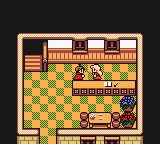
The first hour has a clean, old-school pull. Brian leaves a monster-hit hometown with a straightforward mission, then you are out in Celtland moving through the world, speaking with characters, and running into wolves, crocodiles, knights, and other threats. It is simple RPG business, but simplicity helps: you always understand what you are doing and why you are doing it.
Combat is where Quest: Brian’s Journey separates itself from a routine top-down quest. Battles are turn-based, played across a square grid, and positioning matters because Brian can move and dodge enemy attacks rather than merely trade blows. That extra motion gives each encounter a small tactical puzzle. You are not just deciding whether to attack; you are considering where Brian should stand before committing to a spell.
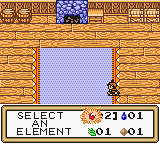
The elemental magic is the main reason to stick with it. Fire, Water, Earth, and Wind offer a clear foundation, while combining them for special moves gives experimentation a practical payoff. Physical attacks are weaker, so magic naturally becomes your preferred answer. That can be frustrating if you want a broad range of combat styles, but it also keeps the game focused: learn the elements, use the grid intelligently, and Brian becomes far more interesting than his basic premise suggests.
Graphics
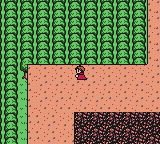
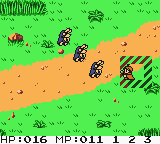
The game uses a top-down view for its medieval-fantasy travels and switches to square-grid battle screens. The latter are the stronger visual idea, since the grid makes Brian’s movement and enemy positions easy to follow when dodging and setting up an action.
Story
Brian’s Journey does not waste time dressing up its motive. Monsters attack his town; Brian, an apprentice mage, sets out to restore peace to Celtland. It is a familiar fantasy starting point, but it fits the game’s direct, portable-RPG pace.
The story works best as a reason to keep moving from conversations into fights rather than as an elaborate tale in its own right. Brian’s status as a learner also matches the elemental system nicely: your growing comfort with combining spells mirrors his role as a mage still finding his footing.
Go in wanting a clean adventure rather than a dense fantasy epic. The local threat, the medieval world, and the journey to bring calm back to it provide enough momentum, especially when the battle system starts asking you to think beyond a standard attack command.
Overall Experience
Quest: Brian’s Journey is easy to underestimate. Its world and mission are deliberately familiar, yet the mix of elemental combinations, grid positioning, and dodging puts more thought into battle than its plain setup initially suggests. When you begin using magic combinations with a purpose instead of treating them as novelty options, the game starts to click.
Its limits are part of the deal. The physical attack is a lesser option, and the adventure is built around a conventional save-the-land setup, so anyone craving a wildly flexible party RPG or a complicated narrative may find it narrow. But if you want a focused solo mage adventure with tactical turns, that concentration is a virtue rather than a flaw.
Give it a chance if you enjoy compact RPGs that ask you to learn one hero’s toolkit well. The payoff is not reinvention; it is the steady satisfaction of making Brian’s elemental magic and battlefield movement work together. For a little extra background on the game, its history and release information is worth a read after you have decided whether Celtland sounds like your kind of trip.


Reviews
There are no reviews yet.