 Retro Replay Retro Gaming History, Reviews & Emulation
Retro Replay Review
Gameplay
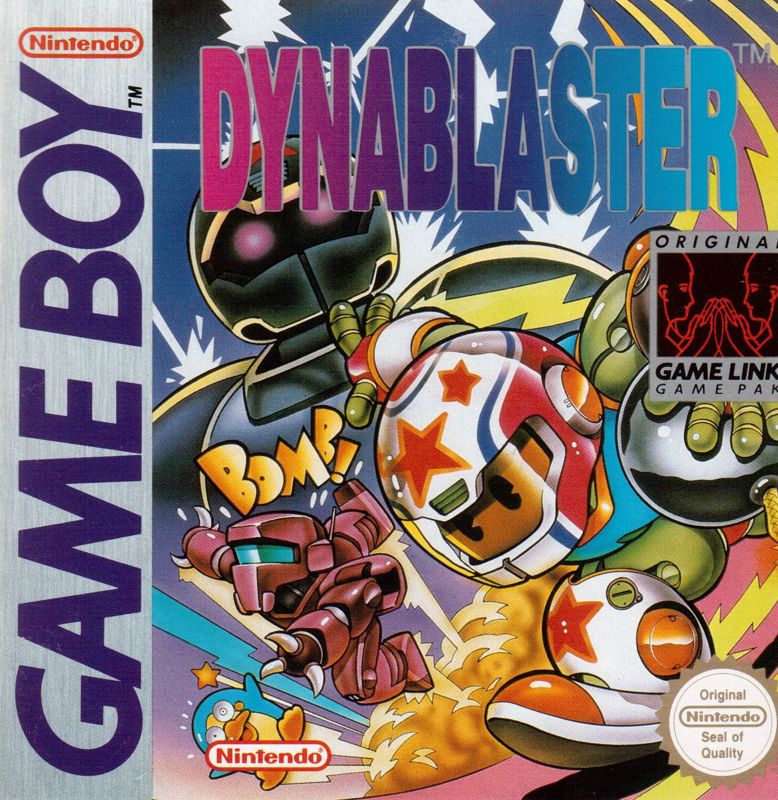
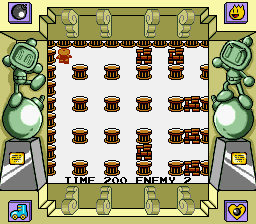
The first few rounds deliver the compact panic you want from Bomberman. You drop a bomb, carve through blocks, watch the blast lanes, and try not to seal off your own escape route. It is a simple loop, but it creates constant little moments of self-inflicted danger. One careless placement can turn a clear route into a dead end, and that pressure is exactly what keeps the basic stages from feeling automatic.
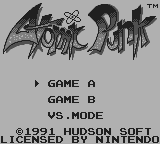
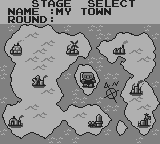
Game B is the direct, classical option: a good fit when you want the series’ straightforward bomb-and-escape rhythm without extra decisions around it. Game A is where Atomic Punk becomes more than a portable version of a familiar formula. Its nine areas can be selected from a world map, and your performance matters beyond merely surviving. Clearing a level quickly and breaking more blocks earns more gold, so replaying a stage can feel purposeful rather than like busywork.
That gold feeds Game A’s panel system. Before entering a new area, you choose the panels you want to bring, including options that can revive Bomberman after a death or extend an explosion’s reach. This is a welcome layer of preparation, though it also means you can feel the sting of entering an area without the panel that would have made the difference. If you enjoy refining a route, chasing a better reward, and making a few small loadout calls before the action starts, Game A is the mode worth learning.
The two-versus modes offer sharply different flavors. Panel mode begins cautiously: one bomb per player and a tiny blast radius make early positioning important until panels change the field. Powerful mode skips that buildup and starts everyone with up to four bombs and a radius of four, turning the match into immediate territory denial. Panel mode rewards patience; Powerful mode is for when you want the board to become dangerous in a hurry.
Graphics
The Game Boy action is viewed from above, with 2D scrolling fields built around blocks, bombs, and expanding blast paths. That clean viewpoint is a natural match for the game’s split-second decisions: you can track where an explosion will travel and spot the routes that may still get you out alive. The futuristic framing gives the boards a sci-fi flavor without getting in the way of the maze action.

Story
Atomic Punk puts its forward momentum in the stages rather than in a heavily dramatized tale. Game A’s world map gives your run a sense of moving between distinct areas, and the freedom to choose their order lets you set your own short-term direction.
The clearest sense of progression comes from the gold economy. A fast clear and a thorough cleanup of blocks translate into money, then into panels that can change how you approach the next area. That makes success feel like it carries forward, even when the game is asking you to solve another compact bomb maze.
This light framing suits the format. You are not being asked to stop for long story beats; you are encouraged to assess an area, select useful panels, and get back into the next dangerous field. Anyone wanting a narrative-led action game will find little reason to linger here, but the map-and-shop structure gives the single-player campaign a useful throughline.
Overall Experience
Atomic Punk earns its reputation as a solid portable Bomberman because it understands how much tension can fit into a small field. The core is immediately accessible, yet it stays sharp because bomb placement is never just an attack. Every blast redraws the safe space around you, often faster than you would like.
Game A is the differentiator. The selectable areas, gold rewards, shop, and pre-stage panel choices give solo play a satisfying bit of strategy without replacing the quick arcade foundation. Game B remains a welcome no-frills alternative, especially if you would rather test your reactions than think about what to buy next.
Multiplayer is strongest when you pick the mode to match the mood. Choose Panel mode for a slower escalation built around finding improvements, or Powerful mode for instant, high-radius chaos. Either way, the limited space and overlapping bomb lanes make every round feel personal very quickly.
At 7.4, this is an easy recommendation for anyone who likes Bomberman’s mix of planning and panic and wants a Game Boy entry with more solo structure than a basic sequence of stages. Give it a chance if you enjoy improving runs and making your own danger. Skip it only if the series’ tight, maze-based bomb battles have never clicked with you.


Reviews
There are no reviews yet.