 Retro Replay Retro Gaming History, Reviews & Emulation


Retro Replay Review
Gameplay
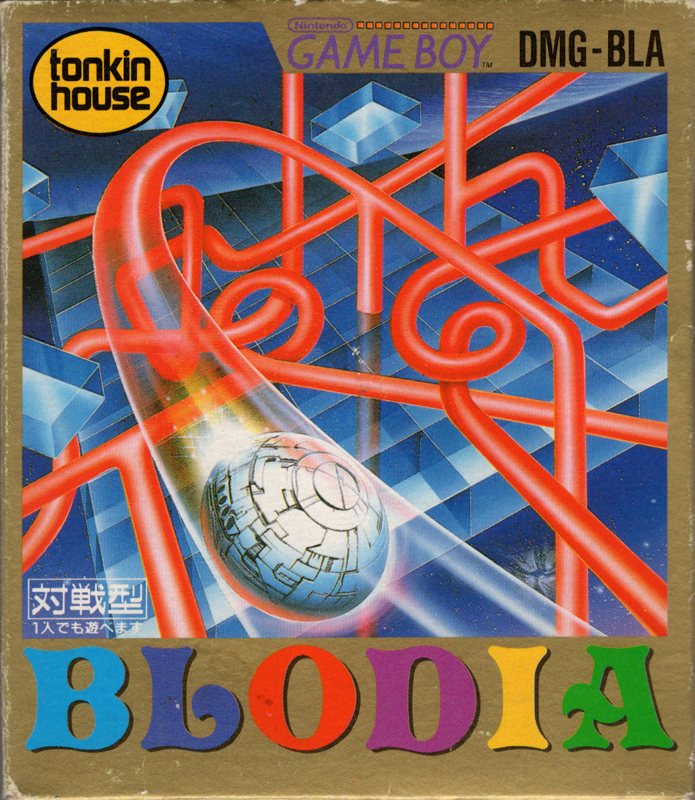
Blodia starts with an idea you can understand in seconds and turns it into a proper knot. A red ball rolls through pipe pieces, erasing each tile it crosses. You need to guide it across every pipe without sending it into the black hole, a cleared tile, or off the board. Since the ball is always taking something away from you, even a route that looks correct can collapse because you failed to think about what remains for the next turn.
The black hole is the whole game’s clever engine. It acts as the empty space that lets you shift a line of tiles: select a tile some distance away and everything between it and the hole moves one space toward it. At first, you will likely treat that hole as a handy way to put one pipe where it belongs. The better approach is to think several shifts ahead, keeping the hole available where the next rescue operation will need it. That is when Blodia stops feeling like a sliding-block variant and starts feeling like a fight against your own earlier decisions.
The real-time format gives the puzzles teeth. You cannot endlessly admire a possible solution while the ball waits politely; its movement makes route planning urgent, and a bad rearrangement can leave you scrambling with no safe correction. Early on, falling off a board edge is fatal as well. Later, once enough tiles have been cleared, the ball can emerge from the opposite side instead, which changes edge spaces from hazards into possible routes. That shift is excellent because it forces you to unlearn the caution that got you through the opening boards.
Frustration will set in if you dislike restarting after a plan proves one move short. Blodia is exacting, and the erased tiles mean there is little room to coast on improvisation. But that severity also makes a successful run feel earned: you have not merely connected pipes, you have kept a route alive while dismantling the board beneath it.

Graphics
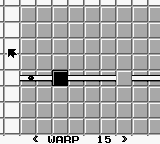
The Game Boy view is built around a compact grid of pipe tiles, the rolling red ball, and the black-hole space used for shifting. It is a functional puzzle board rather than a busy scene, and that suits the game: you can focus on the direction of each straight or angled pipe and the changing gaps in the layout.
Story
Blodia does not ask you to invest in characters or a dramatic journey. Its momentum comes from the immediate story of a board going wrong or suddenly coming together: a ball approaches an unsafe turn, a line of tiles shifts, and a route that looked doomed opens for one more breath.
That stripped-down approach fits the game’s concentration-heavy pacing. A narrative interruption would only compete with the important question in front of you: where must the hole be when the ball reaches its next pipe?
Progression supplies its own small arc as the rules become more demanding. The moment edge exits become usable changes how you read the entire board, giving later puzzles a sense of discovery without needing any extra framing.
Overall Experience
Blodia is a compact, demanding puzzle game with a much nastier edge than its pipe-and-tile setup suggests. The first hour is about learning to make safe paths. After that, you start seeing that the real puzzle is preserving options: where to place the hole, which pipe can afford to vanish, and whether a risky shift solves the current problem while ruining the next one.
Give it a chance if you enjoy sliding puzzles that punish shallow planning and reward calm recovery under a clock-like pressure. The included TurboGrafx-16 levels alongside additional puzzles give the idea room to develop, and the central rule set is strong enough to keep producing tense, satisfying board states.
It is not a relaxed pipe-connecting game. Blodia asks for attention, patience, and a willingness to accept that a nearly perfect route can fail because of one overlooked blank tile. If that sounds invigorating rather than exhausting, its blend of moving-grid logic and relentless rolling-ball pressure is easy to recommend.



Reviews
There are no reviews yet.