 Retro Replay Retro Gaming History, Reviews & Emulation
Retro Replay Review
Gameplay
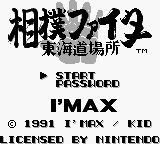
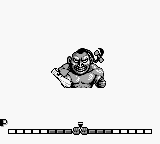
Sumo Fighter starts with an enjoyable contradiction. You control a sumo wrestler, but instead of circling an opponent in a ring, you are pushing through a side-scrolling platform adventure to rescue his kidnapped girlfriend. Five levels, each split into three stages and capped by a boss, give it a clear old-school rhythm: make it through the hazards, clear out enemies, and prepare for the next showdown.
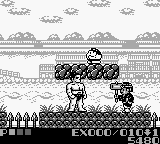
Your move set is simple enough to learn immediately. Fists handle the direct work, while the stomp does damage and can stun enemies. That second option is the important one. A stun changes the pace from blindly trading blows to looking for a safer opening, and it gives the character a little tactical personality even when the action is at its most basic.
What keeps the journey from feeling entirely routine is experience. You earn it by defeating enemies, finding power-ups, and completing hidden minigames, then spend level-up choices on either attack or maximum health. That is not a deep character-building system, but it is a smart fit for a short platformer. You can lean into tougher hits if you trust your execution, or build a larger health pool if the stages are wearing you down.
The minigames—sumo wrestling, arm wrestling, and thumb wrestling—are all reaction tests built around stopping a moving cursor at the right spot. They add a change of pace and another route to experience, although their appeal depends heavily on your tolerance for timing challenges. When the cursor refuses to cooperate, they can feel like an interruption rather than a reward. Still, the broader loop of fighting, searching, collecting, and improving has more pull than the premise initially suggests.

Graphics
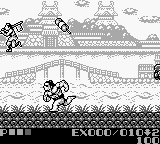
The action uses a 2D side view suited to a Game Boy platformer. Stages scroll horizontally as the wrestler advances toward the next boss, and the straightforward viewpoint keeps the focus on nearby enemies, jumps, and the stomp’s spacing rather than on visual clutter.
Story
This is a rescue story stripped to its useful essentials: the hero’s girlfriend has been kidnapped, and he has five levels to cross before he can get her back. It is familiar material, but it gives the platforming a concrete finish line.
The real narrative momentum comes from the structure. Three stages followed by a boss makes every level feel like a small leg of a larger pursuit, even without a complicated plot carrying you between them. You know why you are moving forward, and the boss at the end provides a natural test of the upgrades you have chosen.
Do not come here expecting character drama or a surprising tale. The story is a frame for the action, and it does that job cleanly. Its charm lies more in the oddity of a sumo wrestler starring in a scrolling rescue adventure than in any emotional payoff.
Overall Experience
Sumo Fighter is a better fit for someone who enjoys compact, slightly rough-edged Game Boy action than for anyone looking for a pure sumo game. The platforming foundation is conventional, but the stomp, the experience rewards, and the ability to steer upgrades toward power or durability prevent it from becoming completely anonymous.
Its frustrations are easy to identify. The reaction-based minigames ask for precision, and they are not substantial enough to carry the game on their own. If that kind of cursor-stopping test gets under your skin, treat the minigames as a bonus source of progress rather than the reason to play.
For the right mood, the payoff is worthwhile: a brisk side-scroller with a funny lead character and just enough progression to make each successful run feel like it is building toward something. You will get the most out of it if you enjoy making small upgrade decisions and working through a fixed set of stages, rather than expecting a sprawling platform adventure.

Reviews
There are no reviews yet.