 Retro Replay Retro Gaming History, Reviews & Emulation

Retro Replay Review
Gameplay
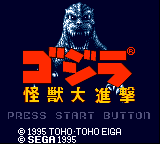
The first few turns have an immediate pull because Godzilla strategy is inherently funny in the right way: one side is fielding giant monsters, while the other tries to counter them with conventional military hardware. You choose between kaiju including Godzilla, Anguirus, and Fire Rodan, or the human G-Force, so the basic matchup changes depending on which side sounds more entertaining to you.
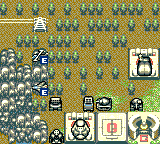
On the map, this is straightforward turn-based warfare. You move units, attack enemies, spend their action points, and end the turn once everyone has acted. That clarity suits a handheld game well. You are not wrestling with an elaborate rulebook before getting to the enjoyable part—positioning units and deciding where to press an advantage.
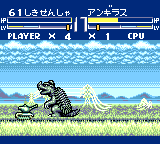
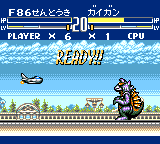
The switch to separate battle screens keeps each attack from feeling like a dry exchange of numbers. Fights use simple, arcade-like direct control with the broad feel of a fighting game, giving clashes a more active edge than the map layer alone could manage. It is a neat change of pace, even if the combat is deliberately uncomplicated.
The limitation is scale. Four maps and a secret level make this a short tactical package, and its simple systems are unlikely to satisfy anyone looking for a dense, long-form war game. But if you want strategy with a fast rhythm and an unmistakably Godzilla-sized premise, its directness is more virtue than flaw.
Graphics
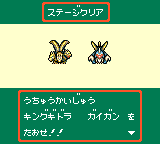
The game shifts between top-down strategic maps and separate 2D battle screens. That division makes the flow easy to follow: map movement handles the larger conflict, then battles get their own animated space for monster and military clashes.
Story
The central dramatic choice is allegiance. You can stand with the kaiju or take command of the G-Force, framing the conflict as a monster offensive versus humanity’s organized defense.
That setup gives the human arsenal real character: tanks, artillery, and planes are not merely generic units when they are being sent against Godzilla and other giant creatures. Conversely, taking the kaiju side lets the game lean into the fantasy of turning those monsters into a force you direct rather than a disaster you endure.
Hostile, unplayable monsters can confront either side, which prevents the conflict from feeling like a completely tidy two-team matchup. It is a compact monster-war premise, but it uses its licensed cast and opposing factions to give the battles a stronger hook than an anonymous tactical skirmish.
Overall Experience
Godzilla: Kaijū no Daishingeki is at its best when you accept its hybrid nature. It is neither a heavyweight strategy simulation nor a full fighting game; it is a small turn-based war game that breaks up its movement and attacks with direct arcade brawls. That combination is unusual enough to remain appealing.
You should give it a chance if the thought of choosing between Godzilla’s side and a desperate human defense sounds more fun than mastering a complicated tactical system. The controls and objectives are easy to grasp, and the battle-screen detours provide a little action between turns.
The modest number of maps means the payoff is in the novelty and replay value of its opposing sides, not in a huge tactical campaign. Still, as a Game Gear curiosity, it has a pleasingly focused identity: quick decisions, giant-monster warfare, and just enough hands-on combat to stop the strategy from becoming routine.


Reviews
There are no reviews yet.