 Retro Replay Retro Gaming History, Reviews & Emulation
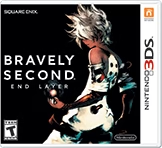
Retro Replay Review
Gameplay
The first few battles make Bravely Second: End Layer look like a conventional turn-based RPG, then Brave and Default start changing how you think. Default is not merely playing safe because it banks actions for later. Brave lets you cash in those stored turns, or borrow against the future, to take several actions at once. You are constantly weighing a clean burst of offense against the danger of leaving a character unable to act afterward.
That system gives even ordinary encounters a welcome edge. If your party can win in a single turn, Bring It On lets you chain into tougher battles for greater rewards. It is a smart temptation: keep pressing and the rewards build, but a bad matchup or an overconfident plan can put that accumulated haul at risk. The feature makes efficient play feel exciting rather than automatic.
The 30-job lineup gives the combat system room to breathe. Mixing job abilities creates plenty of reasons to revisit a party build, and unusual options such as Patissier and Catmancer keep the roster from feeling too predictable. Saved job and equipment presets are especially welcome. When a different approach is needed, you can change strategy without turning preparation into a chore.
Bravely Second itself adds another strong emergency tool, allowing time to stop for attacks or healing. Used well, it can pull a battle back from a bad position. The overall combat design rewards planning, but it also understands that you sometimes need a powerful way to recover from an ugly turn.
Graphics
Bravely Second uses anime and manga-inspired art for its fantasy world.
Story
The story begins with a direct problem: Kaiser Oblivion has kidnapped Agnes Oblige, and Yew Geneolgia sets out to rescue her from Skyhold. It is a clean premise that gives the journey immediate purpose instead of making you wait for the central conflict to arrive.
Yew does not travel alone. Magnolia Arch, Edea Lee, and Tiz Arrior join him as the party explores Luxendarc, putting a familiar group dynamic at the center of the sequel. If you enjoyed the first game and wanted more time in this world, the returning connection through Edea and Tiz is an easy draw.
This is not a story built around a mysterious setup. You know the initial mission right away, and the game is at its most compelling when that forward momentum is paired with the constant problem-solving of party building and battles. The rescue plot gives shape to the RPG journey, while the systems supply most of the texture.
Overall Experience
Bravely Second: End Layer is for the RPG fan who likes finding a clever route through a fight, then refining it until the next challenge demands a new answer. Brave and Default are more than a novelty because they affect every decision, from conserving turns to risking a decisive volley. Bring It On adds a second layer of pressure for anyone who enjoys pushing a winning streak.
The game also respects the fact that experimentation is only fun when it is manageable. Thirty jobs and cross-job abilities could have become unwieldy, but presets make it practical to maintain different plans. You can build around a favorite combination, save it, and move on rather than rebuilding the party from scratch every time.
If you want a sequel grounded in Luxendarc with a straightforward rescue story and unusually flexible turn-based combat, this is an easy recommendation. Newcomers can enjoy its core battle ideas, while returning fans have the clearest reason to jump in. For official game details, see Nintendo’s Bravely Second: End Layer page.


Reviews
There are no reviews yet.