 Retro Replay Retro Gaming History, Reviews & Emulation




Game Overview
Gameplay
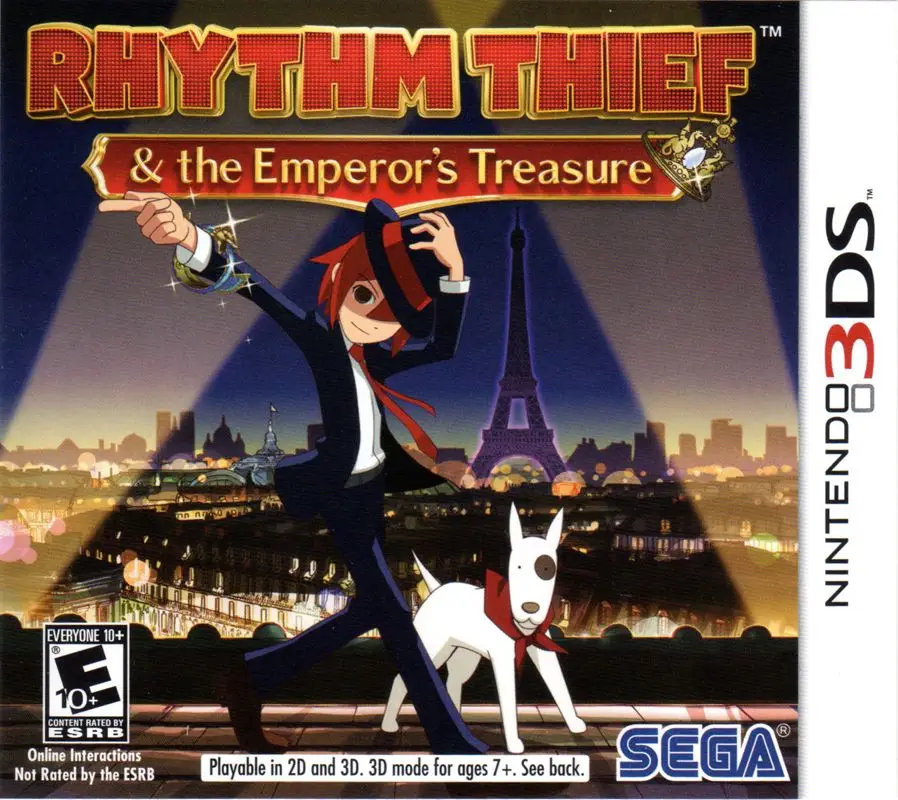
Rhythm Thief works because it does not make its rhythm games feel detached from the adventure around them. You wander Paris looking for leads, poke at landmarks in a point-and-click fashion, solve puzzles, and then the next plot turn asks Raphael to perform to the beat. That structure gives the game a welcome sense of momentum. Rather than simply selecting songs from a list, you are working through a mystery that happens to express itself through frequent musical challenges.
The core test is straightforward: stay with the rhythm, using either the stylus or the 3DS gyroscope, and earn a letter rank based on your performance. The stylus option is likely the safer fit if you prefer deliberate inputs, while motion controls offer a more physical way to play. Either way, the game asks you to meet it on its own terms. If rhythm-game timing makes you tense or you dislike replaying a challenge for a stronger result, the frequent mini-games can turn from a fun interruption into a sticking point.
Exploration adds needed breathing room between performances. Finding coins around the city and spending them on mini-game items gives you a reason to pay attention while searching for clues, and optional challenges with SEGA references are a nice extra for anyone who likes chasing side content. The adventure side is not just decoration, either. It frames the puzzles and keeps the rhythm segments from feeling like isolated tests.
Story
Raphael is a strong fit for this kind of light mystery: a regular boy in daylight, the untouchable Phantom R at night, and personally invested in every lead because of his father’s disappearance. The strange coin, the museum bracelet, Marie, and a hostile man claiming to be Napoleon give the story a knowingly extravagant hook. It is a playful Parisian detective tale first, but Raphael’s search for his father gives its high-concept turns a real thread to follow.
Overall Experience
This is the kind of game that wins you over through its odd combination of ideas. A mystery adventure in Paris would be enough. A rhythm game built around it would be enough. Putting them together creates a brisk, distinctive 3DS experience that is hard to confuse with anything else. The detective work supplies context, the mini-games supply energy, and the Phantom R premise keeps the whole thing cheerfully theatrical.
Its biggest limitation is also its defining feature. Rhythm challenges are not an occasional diversion here, so you cannot enjoy the adventure while merely tolerating the timing tests. You need at least some appetite for following a beat and accepting the occasional lower rank when a performance goes wrong. The option to use either stylus or gyro controls helps, but it does not change the game’s priorities.
If you enjoy Professor Layton-style clue hunting but want something more kinetic between puzzles, Rhythm Thief is well worth your time. It is especially good for gamers who appreciate a compact, unconventional handheld adventure with a little mystery, a little comedy, and enough rhythmic pressure to make each new lead feel active rather than passive.

Reviews
There are no reviews yet.