 Retro Replay Retro Replay gaming reviews, news, emulation, geek stuff and more!

Retro Replay Review
Gameplay
Ikari no Yōsai 2 starts with an immediately understandable challenge: push through a hostile maze, shoot what stands in your way, and do not let enemies touch you for free. Contact drains life energy, so the game asks you to pay attention to spacing from the outset. That makes even a straightforward route through corridors feel tense when enemies crowd the lanes you need to cross.
Diagonal movement is the sequel’s most immediately felt improvement. It gives you more room to slip past danger than a strictly four-directional setup would, and it makes the top-down shooting less stiff when you are trying to line up attacks while preserving health. The formula remains direct, though. Finding a key to unlock a closed door is the main interruption to the shooting, and the maze structure can become frustrating when you are searching for the route forward under pressure.
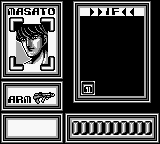
Switching instantly between Masato Kanzaki and Mizuki Makimura is where the game finds its character. Masato moves slowly but can endure more; Mizuki moves faster but cannot take the same punishment. That is a meaningful choice in a game built around avoiding contact. Use Masato when you expect to absorb trouble, lean on Mizuki when mobility matters, and change your approach rather than treating either agent as a cosmetic alternate.
The removal of ordinary power-up hunting makes this a leaner game than its predecessor. Health pickups still matter, but the broader weapon and attack differences are tied to the two agents instead. Special weapons are chosen from a separate menu and have unlimited ammunition, so you are not saving scarce shots; the pressure comes from positioning and survival. It is a clean design, although gamers who love steadily collecting upgrades may find it a little austere.
Graphics
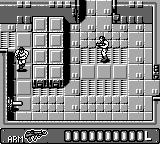
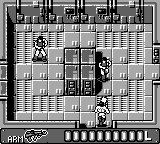
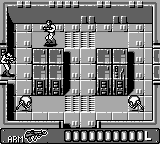
The game uses a top-down view suited to its maze-like enemy bases. You spend the action looking down on the two agents, enemies, corridors, closed doors, and the routes between them, with the camera angle keeping the immediate dangers and escape paths easy to judge.
Story
This is a continuation of Fortified Zone, bringing agents Masato Kanzaki and Mizuki Makimura back for another military sci-fi assignment. Their target is an enemy secret base developing an ultimate weapon, which gives the shooting a clear purpose without asking you to untangle a complicated premise.
The setup works because it matches the game’s compact structure. A secret base, hostile forces, blocked paths, and a weapon that must be destroyed are all the motivation this kind of action game needs. You are not here for a winding campaign of revelations; you are here to get the agents through enemy territory.
Masato and Mizuki’s differing abilities do more for the game’s personality than the mission briefing does. Since you can swap them at any time, the two leads become part of how you solve the action instead of merely serving as names attached to the objective. That gives the sequel a stronger sense of partnership than its spare story might suggest.
Overall Experience
Ikari no Yōsai 2 is a focused, demanding top-down shooter that earns its interest through small tactical decisions. The first hour teaches you to respect enemy contact; after that, the rhythm of choosing an agent, threading through danger, finding the necessary key, and pressing deeper into the base starts to click. Its best moments come when the quick switch between sturdy Masato and nimble Mizuki turns a bad situation into a manageable one.
Its limits are equally clear. The maze-like progression and key searches can slow the pace, while the lack of conventional power-ups leaves little room for the kind of escalating arsenal that often carries shooters forward. If you want constant new toys, this can feel restrictive. If you appreciate a game that keeps returning to movement, survival, and character choice, that restraint is part of the point.
Give it a chance if you enjoy old-school action games that demand care instead of spraying the screen with upgrades. It does not reinvent the Fortified Zone formula, but diagonal movement and the two-agent system make it a worthwhile refinement. The payoff is modest but real: a compact mission whose tension comes from making sound decisions before an enemy collision turns a simple route into a scramble.


Reviews
There are no reviews yet.