Retro Replay Retro Gaming History, Reviews & Emulation
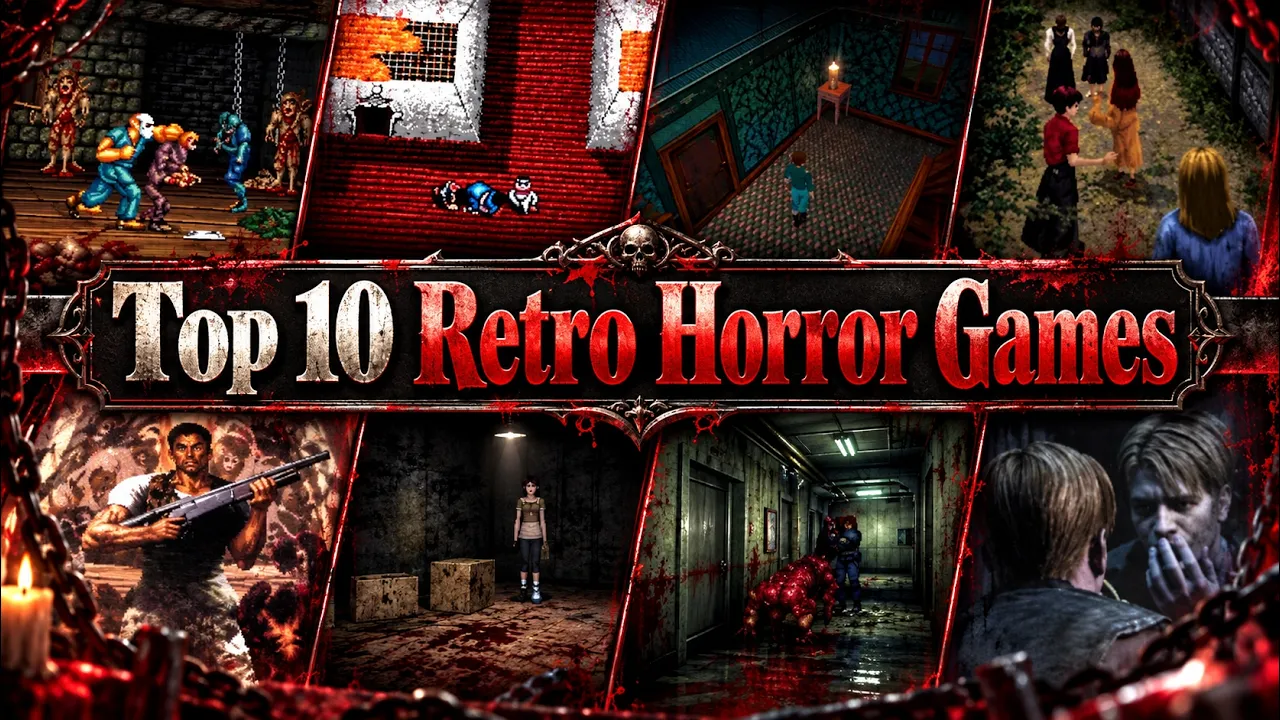
Arcade gore, cursed mansions, fog-covered streets, and ghosts that force you to look them in the eye: retro horror took many forms. Our top ten follows the games that left the deepest mark on us, from the arcade shock of Splatterhouse to the psychological power of Silent Hill 2. Which ones still haunt you?
Would you rather watch than read? Settle in with our video countdown below, then return to the write-ups and images whenever you want a closer look.
#10 — Splatterhouse
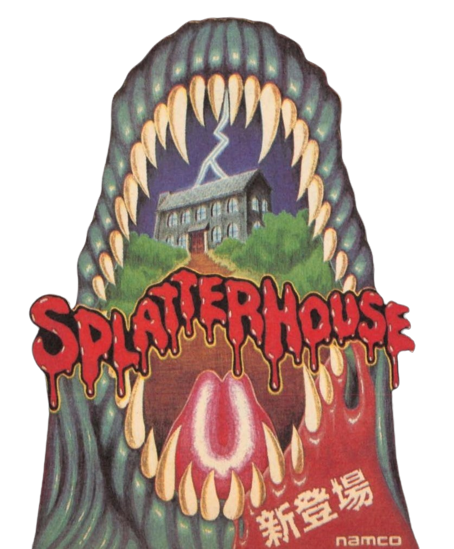
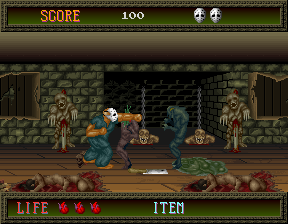
Splatterhouse does not wait for its horror to creep in. Rick wakes in a ruined mansion, puts on the Terror Mask, and starts fighting his way through rooms that look as if a midnight movie has spilled onto an arcade cabinet. Namco’s 1988 original turns the familiar left-to-right brawler into a grim tour of severed limbs, lurking creatures, and cruel surprises.
The arcade version matters here. Later home ports carried the name to more players, but the coin-op game’s large sprites and ugly, theatrical details gave its shocks unusual force for the time. Weapons such as a plank or cleaver add a satisfying snap to combat, yet they never make the mansion feel safe. Every new corridor hints at another visual trick or nasty enemy.
What survives beyond the gore is a simple, strong horror premise: a desperate man moving deeper into a house that seems to hate him. Rick’s blank mask became an instantly recognizable silhouette, and Splatterhouse showed that an action game could borrow horror cinema’s imagery without losing the urgency of arcade play.
Explore Splatterhouse in the Retro Replay game database.
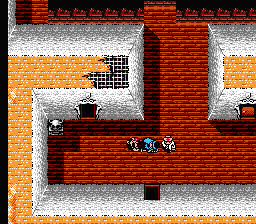
#9 — Sweet Home
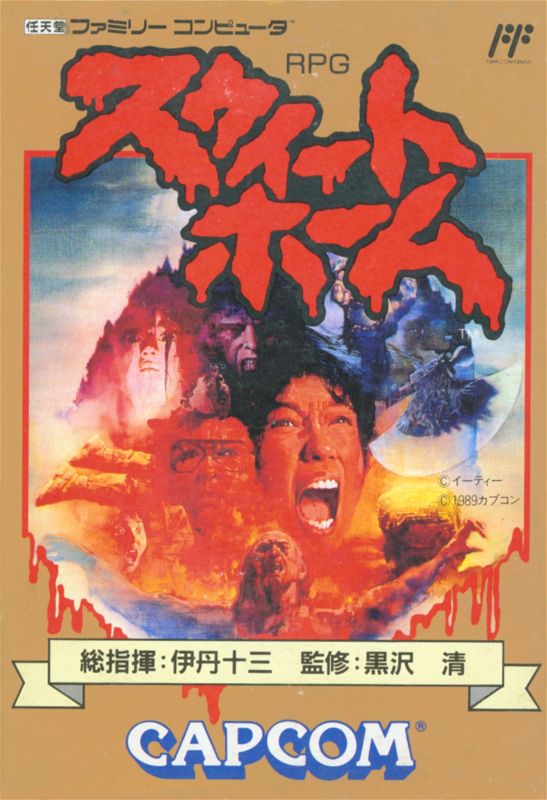
Capcom’s Sweet Home turns a mansion into a place where every decision can carry a permanent cost. Five visitors search its rooms, uncovering the story behind a family tragedy while paintings, strange objects, and supernatural enemies block the way. Its RPG battles make this different from the later survival horror games it helped inspire, but its atmosphere feels strikingly familiar.
Each character brings a useful item or ability, so moving through the house is a problem of planning as much as courage. Your inventory is tight, supplies are precious, and a dead party member stays dead. A missing teammate changes which puzzles you can solve and how confidently you can face the next encounter. That permanent loss gives a small 8-bit cast real weight.
Sweet Home is fascinating because you can see ideas that would reappear in Resident Evil: a threatening house, notes and clues, careful resource use, and the anxiety of opening the next room. It is also worth meeting on its own terms. Its party system and branching consequences give this nightmare a character that no later imitation quite reproduces.
Explore Sweet Home in the Retro Replay game database.
#8 — Alone in the Dark
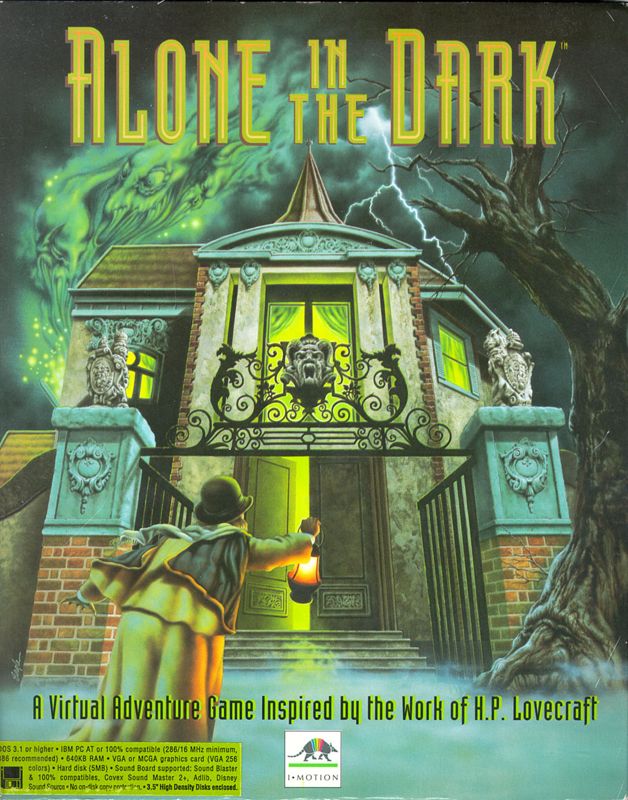
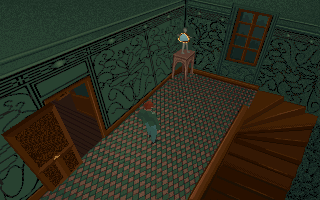
Long before the Spencer Mansion, there was Derceto. In the 1992 Alone in the Dark, Edward Carnby or Emily Hartwood enters a Louisiana house with a grim history and quickly discovers that escape will take more than finding the front door. Books, locked spaces, improvised weapons, and unnatural residents make exploration feel like a series of risky choices.
Its visual approach was a breakthrough. Polygonal characters move through illustrated rooms while fixed camera angles choose what you can see and, just as effectively, what you cannot. The controls and combat can feel severe today, but their awkwardness also leaves the player unusually exposed. A room that looks empty may become dangerous as soon as the perspective shifts.
Alone in the Dark helped establish the visual and mechanical grammar that later survival horror would refine. Derceto still has its own appeal: a pulpy haunted-house mystery where reading the environment and conserving what little you have matter as much as defeating a monster.
Explore Alone in the Dark in the Retro Replay game database.
#7 — Clock Tower
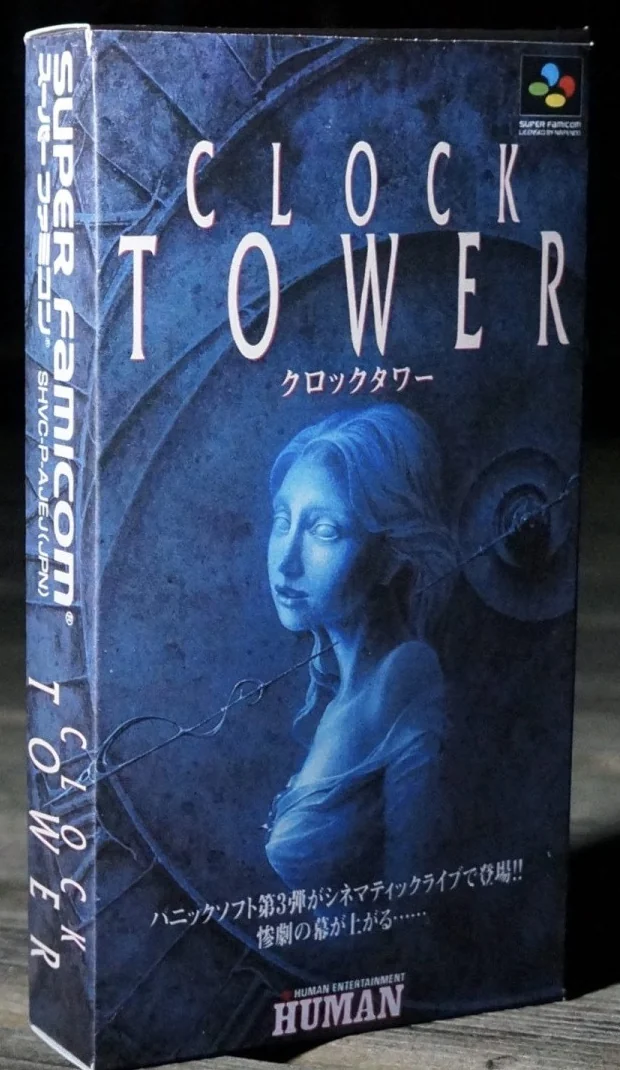
The original 1995 Clock Tower makes a terrifying promise: Jennifer Simpson is vulnerable, and the person hunting her is never far away. Human Entertainment places her in a mansion full of quiet rooms, suspicious objects, and routes that can suddenly become escape paths. Scissorman turns ordinary exploration into a constant question of where you would hide if he appeared now.
There is no arsenal to master. You guide Jennifer through point-and-click puzzles, run when danger erupts, and hope the hiding place you choose buys enough time. Her fear and exhaustion matter, so panic can make an already bad encounter worse. The slow pace between attacks is vital; it teaches you the layout, then makes you dread crossing the same hall again.
This is the Super Famicom original, which also received later ports. Its multiple outcomes and unpredictable pursuit helped define a branch of horror built around helplessness rather than firepower. Clock Tower proves that a pair of scissors and a familiar corridor can be more memorable than a room full of monsters.
Explore Clock Tower in the Retro Replay game database.
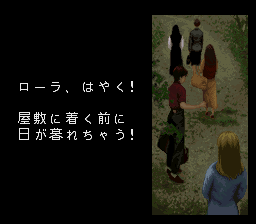
#6 — Parasite Eve

Parasite Eve opens with a night at the opera turning into a catastrophe. NYPD officer Aya Brea survives an impossible event and follows a trail of mutations across New York City. Square’s 1998 game blends science-fiction body horror, police thriller, and RPG progression into a story that feels unlike its medieval or futuristic peers.
Battles take place in active spaces where Aya moves between attacks while an action gauge fills. Positioning, weapon upgrades, and limited supplies give encounters a tactical edge without breaking the momentum of the pursuit. The city settings help too: museums, streets, and stations become places where something familiar has gone biologically wrong.
The result is a compact, cinematic horror RPG with a memorable lead and a wonderfully unsettling soundtrack. Its science may be extravagant, but its central image is hard to shake: one officer moving through a city as everyday life mutates around her.
Explore Parasite Eve in the Retro Replay game database.

#5 — Resident Evil
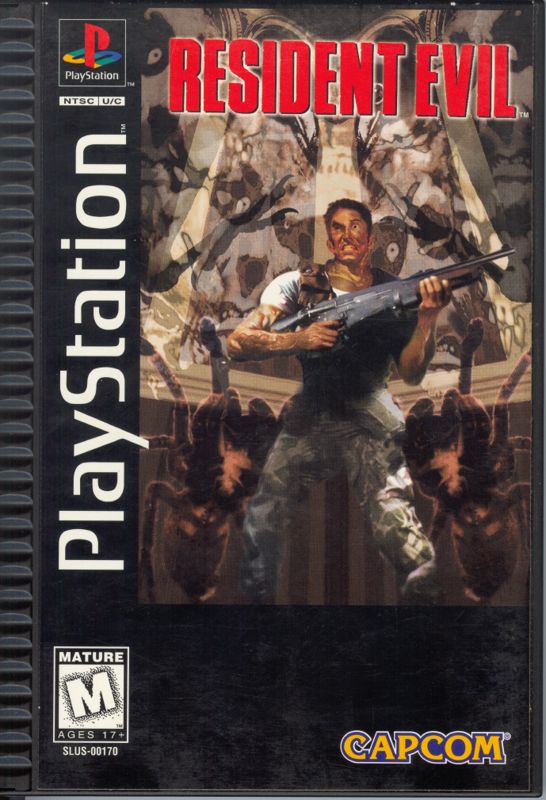
Resident Evil made the Spencer Mansion a maze that players learned one locked door at a time. Chris Redfield or Jill Valentine arrives with a rescue team, only to find zombies, traps, strange experiments, and an ever-growing list of places they are not ready to enter. The infamous live-action opening is gloriously campy; the game beneath it is carefully structured fear.
A few handgun rounds can feel like a fortune. Inventory slots force hard choices, save opportunities ask whether you have made enough progress, and a key found in one wing may send you back across rooms you hoped to leave behind. Fixed cameras and deliberate controls sharpen that tension because familiar spaces never become completely comfortable.
Capcom did not invent every ingredient it used, but Resident Evil combined them into a genre-defining rhythm of exploration, puzzle solving, and resource management. The mansion is the real star: a place that slowly becomes understandable without ever becoming welcoming.
Explore Resident Evil in the Retro Replay game database.
#4 — Fatal Frame II: Crimson Butterfly

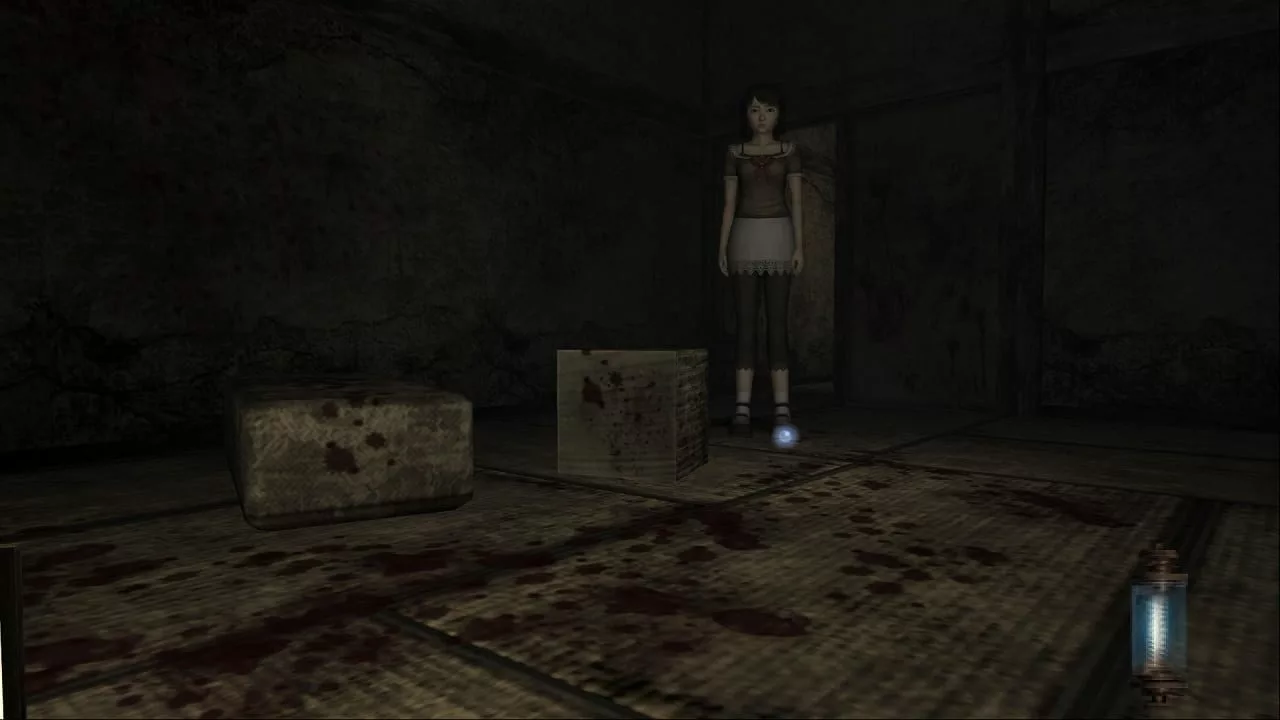
Mio and Mayu follow crimson butterflies into a village that should no longer exist. Fatal Frame II: Crimson Butterfly builds its fear from empty houses, ritual history, and the painful bond between the twin sisters. Its village is beautiful in a ruined, mournful way, which makes every ghostly interruption feel more personal.
The Camera Obscura turns looking directly at danger into the central mechanic. To hurt a spirit, Mio must raise the camera, frame it, and often wait for the instant when it is closest. That means the safest way to win is also the most frightening. A dark room becomes a test of how long you can hold your nerve while something moves toward the lens.
The story’s sorrow gives the scares lasting power. Fatal Frame II understands that a haunting can be both a threat and a record of something terrible that happened to people. Its blend of intimacy, ritual, and risky camera combat makes it one of the era’s most distinctive horror games.
Explore Fatal Frame II in the Retro Replay game database.
#3 — Resident Evil 2
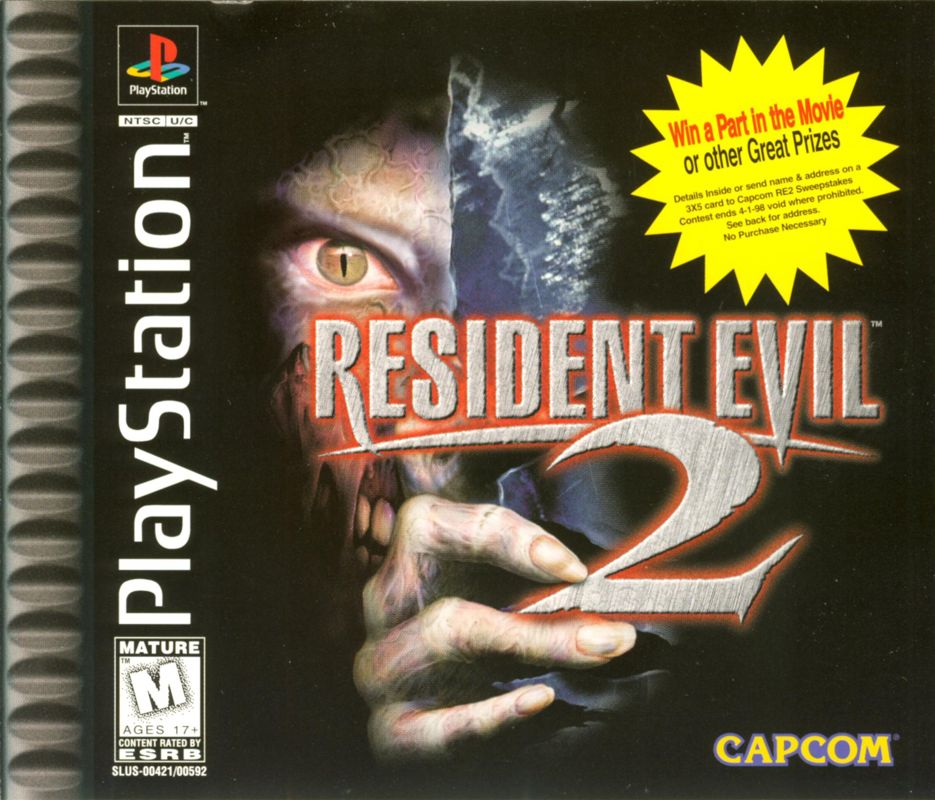
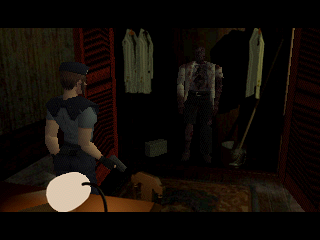
Resident Evil 2 begins with a city already collapsing. Rookie officer Leon S. Kennedy and college student Claire Redfield arrive in Raccoon City and discover that its police station is only the first layer of a much larger disaster. The original PlayStation sequel trades the first game’s isolated mansion for a citywide outbreak without losing its sense of being trapped.
Leon and Claire bring different allies, scenes, and routes through the crisis. The police station’s grand hall, cluttered offices, and hidden passages give the adventure a strong center, while the scenario structure invites a second run to see how another perspective changes events. Ammunition and healing items remain scarce enough to make each detour a decision.
The larger scope delivers monsters and spectacle, but the memorable moments are often smaller: a sound behind a window, a corridor you have to cross again, or a new threat appearing where you had finally felt safe. Resident Evil 2 expanded the series while preserving the anxious rhythm that made the original work.
Explore Resident Evil 2 in the Retro Replay game database.

#2 — Silent Hill

Harry Mason enters Silent Hill looking for his missing daughter, Cheryl, and finds a town that seems to hide more than its streets. Fog obscures the road ahead, a radio crackles before monsters appear, and ordinary places become wrong in ways that are difficult to explain. Konami’s 1999 PlayStation game makes uncertainty its strongest weapon.
Its shifting environments do more than provide frightening scenery. A school, hospital, or alley can become a distorted version of itself, turning navigation into a search for meaning as well as an exit. Harry is an ordinary father, and his limited confidence in a fight keeps the attention on dread, clues, and the unsettling story unfolding around him.
The original hardware’s visual limits became part of the mood: shapes emerge slowly from gray distance, while Akira Yamaoka’s harsh soundscape fills in what you cannot see. Silent Hill does not need to explain every nightmare immediately. It lets the town stay in your mind long after the screen goes dark.
Explore Silent Hill in the Retro Replay game database.
#1 — Silent Hill 2

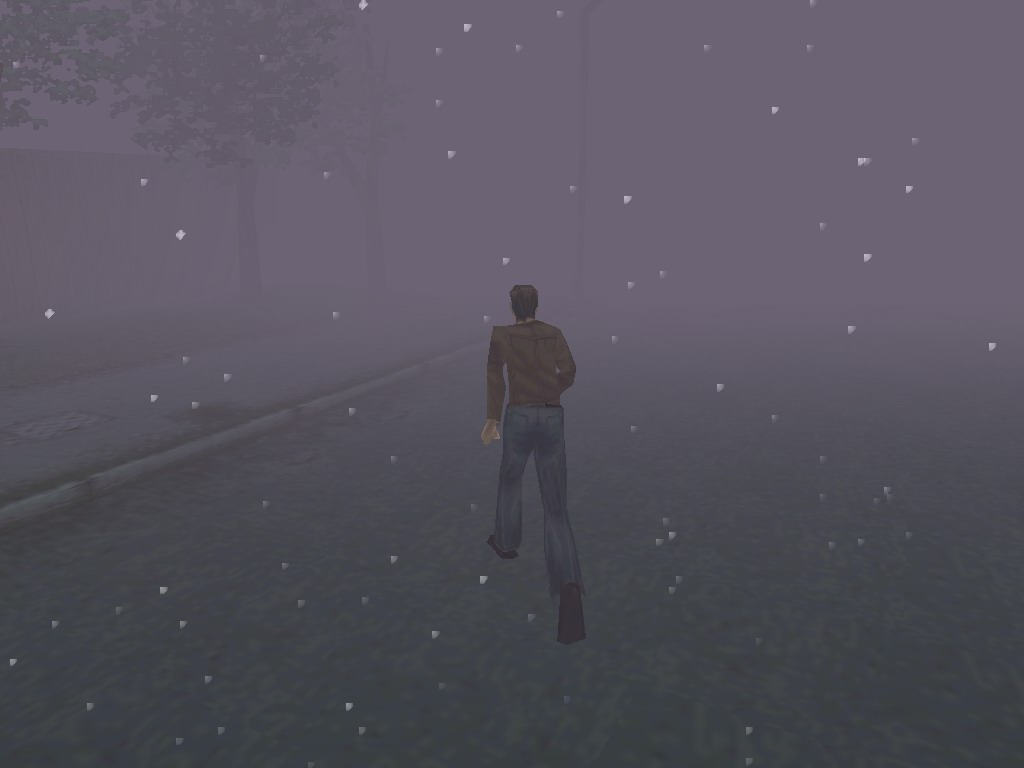
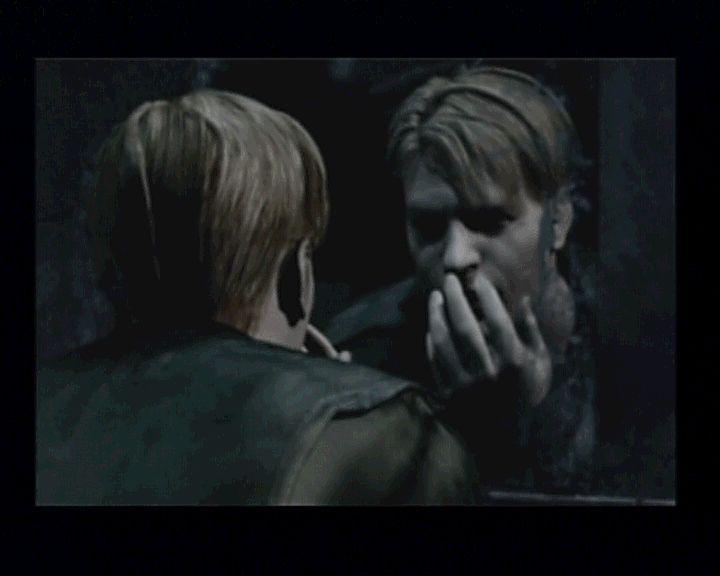
James Sunderland receives a letter from Mary, the wife he knows is dead, and drives to Silent Hill to find her. That impossible invitation is enough to make every foggy street feel suspect. The 2001 sequel tells a more inward story than its predecessor, letting encounters with other lost people and disturbing creatures reveal pieces of James’s own pain.
Silent Hill 2’s monsters and spaces feel connected to emotion rather than merely to danger. Pyramid Head is an unforgettable presence, but the quieter scenes often cut deeper: a conversation that does not quite make sense, a room that feels too empty, or a memory James would rather avoid. Akira Yamaoka’s music moves between tenderness and industrial unease.
The game endures because its horror has a reason to exist beyond the next scare. Grief, guilt, denial, and longing shape the journey, while different endings leave room for interpretation. Silent Hill 2 showed that a horror game could be psychologically complex and still make the simple act of opening a door feel dreadful.
Explore Silent Hill 2 in the Retro Replay game database.
Keep the fear alive
Which of these ten games still gets under your skin? If you want to revisit classic horror on modern hardware, explore our emulation guides for ways to play older systems.
Game imagery belongs to its respective rightsholders. Image sources are linked in their captions.