 Retro Replay Retro Gaming History, Reviews & Emulation
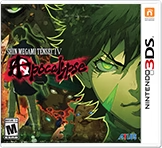
Retro Replay Review
Gameplay
Apocalypse is at its best when a battle turns into a quick, satisfying puzzle. You identify an enemy’s elemental weakness, exploit it, and feel your momentum build. The system rewards paying attention rather than simply picking your strongest attack, and that makes even routine fights feel connected to the party you have assembled.
Demon negotiation gives recruitment a personality that plain monster collecting often lacks. Getting a useful demon is only the first decision. You then have to decide whether to keep it, fuse it into something better, or reshape your team around a new set of strengths. With more than 450 demons in the pool, there is a lot to experiment with, and fusion remains the real engine of progress.
That depth comes with a cost. You will rebuild often, especially when the enemies and bosses in front of you demand different elemental coverage. If you love adjusting a party and seeing a careful fusion plan pay off, that constant turnover is compelling. If you want to settle on favorites and coast through a long RPG, it can become exhausting.
Human allies fighting alongside Nanashi add another layer to party planning without replacing the core thrill of commanding demons. Apocalypse understands that its battles work because every advantage has to be earned through preparation, not because the game hands you a permanent perfect lineup.
Graphics
Ruined Tokyo has a strong, oppressive look, especially with the city trapped beneath a great rock ceiling. Nanashi is drawn as an anime-style teenager.
Story
Apocalypse returns to the Tokyo setting of Shin Megami Tensei IV, but it is a new story with a new protagonist, not a replay of the earlier campaign. Nanashi starts from an immediately desperate position: he dies early, then returns to life after accepting Dagda’s demand for service. That premise gives the journey a personal edge before the larger struggle among humanity, gods, angels, and demons takes over.
The story’s strongest quality is its willingness to make alliances uncomfortable. No side is presented as an easy answer to a ruined world, and the choices you make affect the outcome. The game gets real mileage from forcing you to consider which compromise feels least unbearable, even when you would rather reject the whole conflict.
The grimness is consistent, sometimes to a fault. Still, the dark tone fits a world where survival and loyalty are never simple, and it gives the big decisions more bite than a cleaner hero-versus-villain setup would.
Overall Experience
Shin Megami Tensei IV: Apocalypse is an easy recommendation if you want a JRPG that expects you to think about every member of your team. Its best moments come from entering a hard fight with a newly fused demon, finding the right weakness, and watching a plan you made outside battle suddenly work.
It is less inviting if menu-heavy party construction sounds like homework. The game asks you to engage with negotiation, fusion, and elemental matchups repeatedly, not just when a boss blocks your path. That is a feature for strategy-minded RPG fans and a genuine barrier for anyone hoping for a breezier adventure.
For the right gamer, the payoff is substantial. Apocalypse turns its harsh setting and difficult moral choices into a fitting backdrop for a deep demon-building RPG, and it improves the moment-to-moment satisfaction of experimenting with a party. Stick with the rebuilding, and the game gives you plenty of chances to feel clever.



Reviews
There are no reviews yet.