 Retro Replay Retro Gaming History, Reviews & Emulation
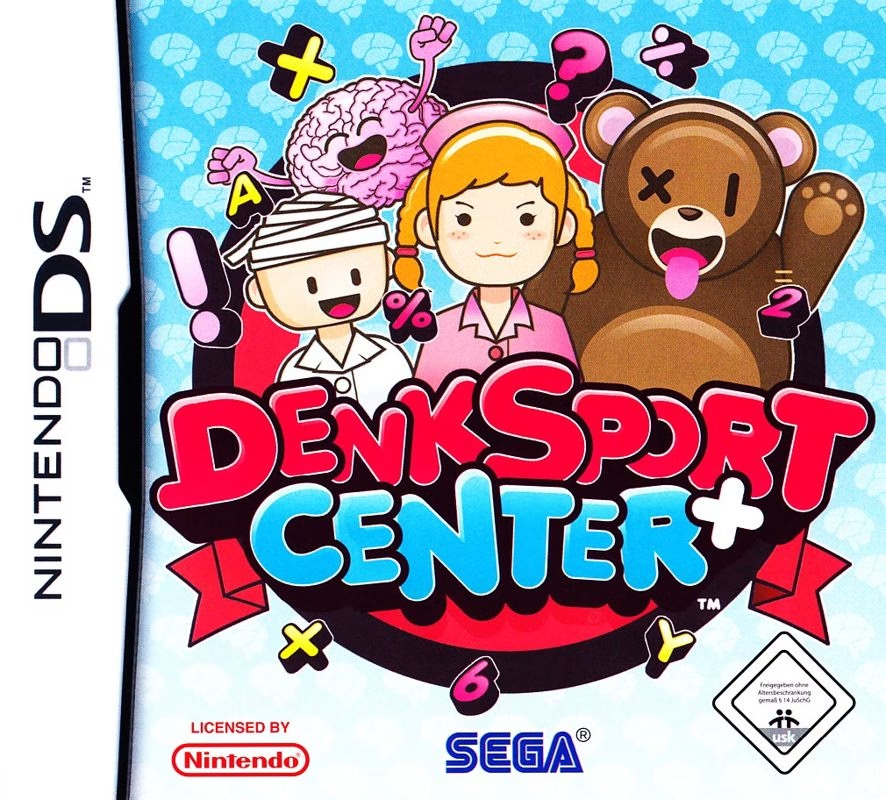
Retro Replay Review
Gameplay
Brain Assist gets to the point quickly. You are asked to pay attention, remember what you saw, and react through the DS touch screen. That directness is its strongest quality. There is little distance between seeing a challenge and testing yourself, so the game works well in short sessions when you want a quick concentration check rather than a deep strategy game.
Touch of Brilliance is the clearest example of where the format clicks. You track flashing dots, then identify where they ended up. It sounds basic, but the pressure comes from keeping several locations straight once the sequence has moved past what you can casually hold in your head. The picture-matching and number-recognition challenges push a similar kind of focused attention, asking you to slow down just enough to avoid an impulsive mistake.
The downside is that these are narrow exercises, not a varied collection of full-fledged games. If you enjoy repeating a task to beat a high score, the growing complexity gives you a reason to return. If you need new settings, characters, or big surprises to stay engaged, frustration can set in once you have seen the basic ideas. Brain Assist is strongest when you treat it as a score-driven diversion, not a daily routine with endless variety.
Multiplayer gives the package a welcome jolt. Competing for the highest score turns small errors into something worth talking about, and the two-player Compatibility Check adds a cooperative-social angle beyond simply comparing results. It will not transform the underlying mini-games, but it makes their stripped-down design feel more purposeful when someone is sitting beside you.
For a closer look at the original touch-focused approach, the developer interview on Brain Assist DS mechanics explains the thinking behind its DS-specific challenges. That focus comes through in play: this is a game about brief tests of attention, not a simulation with much to explore outside them.
Graphics
The gameplay imagery is functional and clear: flashing dots stand out for the memory test, while the picture-matching exercises and on-screen number challenges put their visual information front and center. It is plain, task-first artwork, but that suits a game where a glance in the wrong place can cost you a score.
Story
Brain Assist does not ask you to invest in a cast or follow a plot. Its sense of momentum comes from your own performance: remembering the last pattern, recognizing the next number, and trying to improve on a previous score. That makes the game easy to pick up at any point, though it also means there is no narrative reward waiting to pull you through a rough stretch.
In practice, each challenge creates a tiny personal story of confidence and correction. You may feel certain you tracked the final dot, tap the wrong spot, then immediately want another try. The game understands that simple loop well, even if it never builds it into anything more dramatic.
The Compatibility Check gives two people a small shared frame for playing together, but the real subject remains how you and a partner perform under pressure. That is enough for a quick session with a friend. It is not enough to give the game the kind of personality that makes its individual tests memorable long after the DS is closed.
Overall Experience
Brain Assist is a modest, focused DS game with a good understanding of what the hardware can do for quick mental challenges. Touch input makes sense for the material, and the mini-games are easy to understand without being completely mindless. When a sequence becomes complicated enough to expose a lapse in concentration, the game lands its best moments.
Its limited scope is impossible to ignore. The same focused tasks that make it convenient also make it feel repetitive, especially in solo play. You are unlikely to spend an entire afternoon with it, but that is not necessarily a failure. A few minutes at a time is the right way to use it.
Give it a chance if you enjoy chasing better scores in memory and reflex tests, or if you have someone nearby who will turn a simple challenge into a competition. Skip it if you want a rich brain-training package with lots of variety or a story to carry the experience. Brain Assist earns some credit for its clean, immediate design, but its small number of ideas limits how long that initial spark lasts.

Reviews
There are no reviews yet.