 Retro Replay Retro Gaming History, Reviews & Emulation


Retro Replay Review
Gameplay
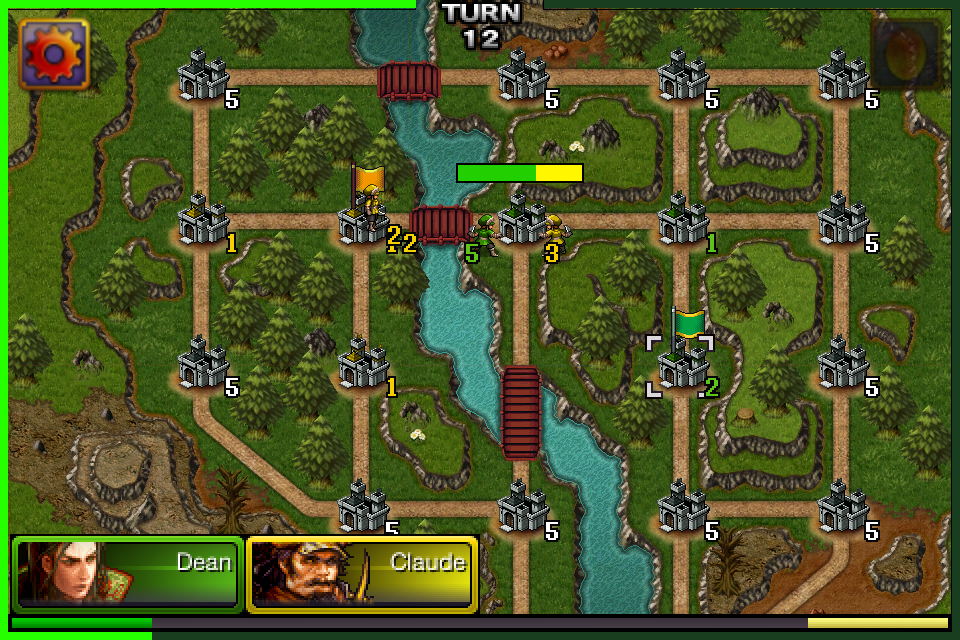
The first few minutes are all momentum. You claim a village, turn its control into fresh soldiers, and push them toward the next city before an enemy army can cut you off. Because troops travel only along the roads linking settlements, you are never trying to decipher a huge open battlefield. Instead, you are constantly looking at the map’s junctions and asking which city must be held now, and which one can safely wait.
That restriction is the game’s strength. A route can become a lifeline or a trap, and sending too many troops toward one target can leave another settlement ripe for the taking. The pace is quick enough that hesitation hurts, yet the city network gives your decisions real weight. You are not merely throwing armies at the nearest enemy; you are deciding where your reinforcements can actually reach and where an opponent may be forced to commit.
As a match develops, special buildings add reasons to compete for particular spots, while treasures offer temporary, single-use advantages. That extra layer keeps the contest from flattening into a plain numbers race. It can also be frustrating when a tight map leaves little room to recover from a bad commitment, but that pressure is central to the game’s best moments. Free-play is a welcome fit for the format: once you understand the flow, it is easy to want another compact battle on a different map.
Graphics
The action is viewed from above, with cities and the roads between them serving as the important landmarks. That clear map-first view suits a strategy game built around marching armies from settlement to settlement, letting you follow the contested routes without fuss.

Story
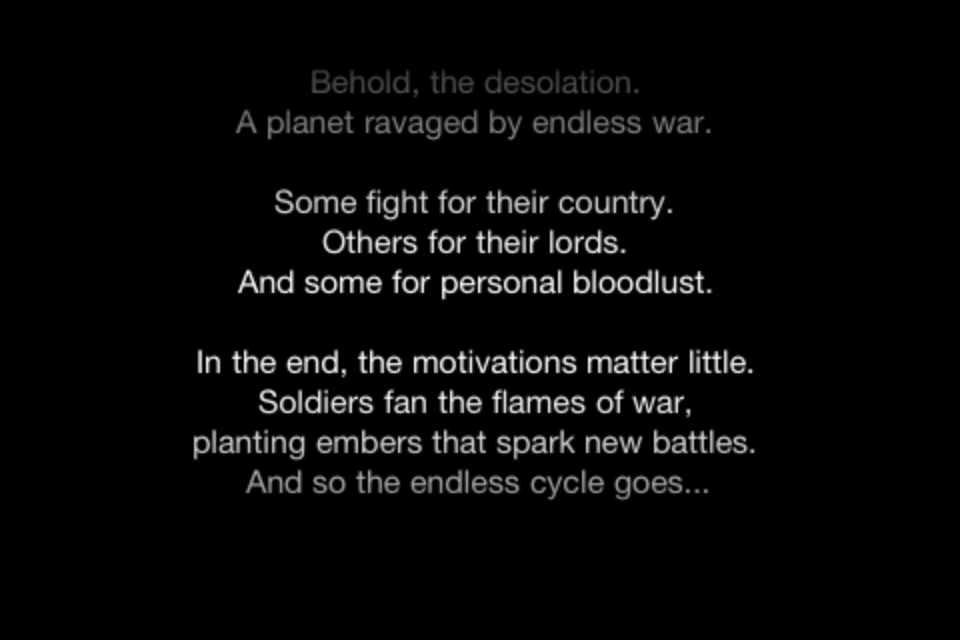
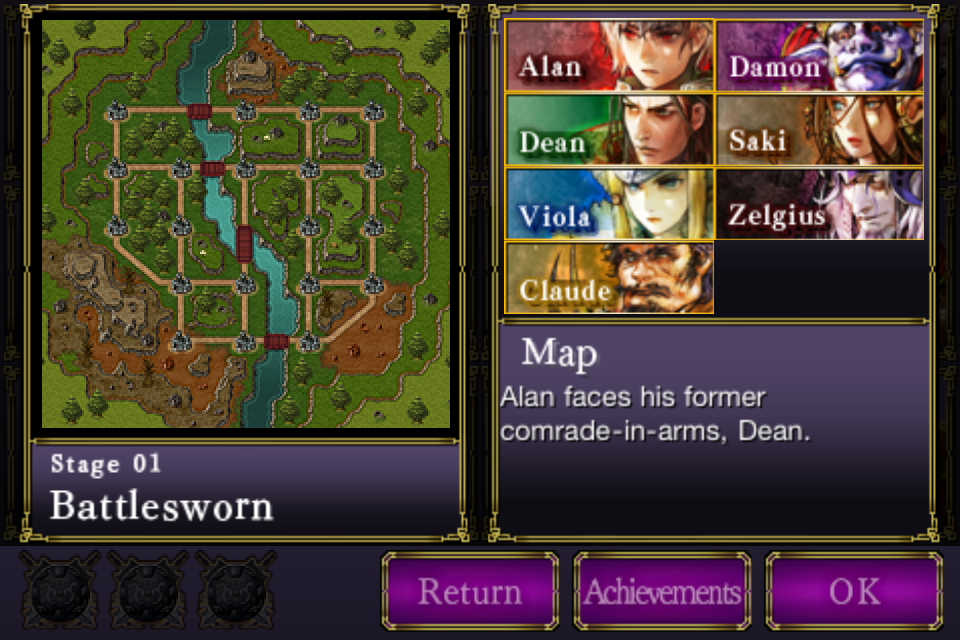
The campaign follows Alan, a young warlord whose certainty begins to crack as he questions his reasons for fighting. It is a smart premise for a game about repeatedly seizing territory and wiping out opposing armies: the campaign has room to put some unease behind the orders you carry out.
Do not come expecting the narrative to displace the strategy. The core purpose of the storyline is to give the battles a protagonist and a sense of doubt, rather than turn the game into a story-heavy fantasy adventure. Still, Alan’s shifting perspective gives the campaign more character than a succession of disconnected maps.
That makes the free-play mode especially useful. The campaign can supply the context, then free-play lets you enjoy the cleaner tactical question on its own terms: can you read the roads, build an advantage from your cities, and break the other warlord’s hold on the map?
Overall Experience
Hills and Rivers Remain is at its best when a simple map suddenly becomes a knot of urgent decisions. A city is not just a score marker; it is the source of the next troops you need, and a road is not just scenery when it dictates whether those troops arrive in time. The game finds satisfying tension in that narrow, focused battlefield.
Its fast pace will not suit anyone who wants to slowly build an empire or experiment with unrestricted movement. Here, the map defines the fight, and decisive control of its connections matters from the outset. If that sounds appealing, the limitations feel purposeful rather than confining.
For strategy fans who enjoy concise real-time matches with a board-game-like clarity, this is an easy recommendation. The special buildings and temporary treasures supply enough tactical spice to keep the city-grabbing loop lively, and the Alan campaign adds a worthwhile thread of reflection. It is a small-scale war game, but it understands exactly where its tension comes from.


Reviews
There are no reviews yet.