 Retro Replay Retro Gaming History, Reviews & Emulation




Retro Replay Review
Gameplay
The first hour’s pull comes from being a suspect instead of a detached detective. You are not simply asked to solve a murder; you need to prove you did not commit it. That gives even the basic acts of choosing a location and examining the current area some urgency, especially once the protagonist’s unsettling ability to relive a victim’s dying moment enters the case.
Most of Jisei: The First Case follows the familiar visual-novel rhythm of reading, making decisions, and selecting where to investigate. It is a focused structure rather than a sprawling adventure-game puzzle box. If you enjoy working through a mystery by following conversations and gathering details at a steady pace, that directness should feel refreshing. If you want constant mechanical surprises, it may feel slight.
The final stage is where the game asks whether you were actually paying attention. Compiling the facts into an accusation turns the accumulated information into a test of memory, not just a last dialogue choice. That can be a satisfying payoff when the clues are still fresh in your mind. It can also be the point where frustration sets in if you expected the game to organize every deduction for you.
Graphics
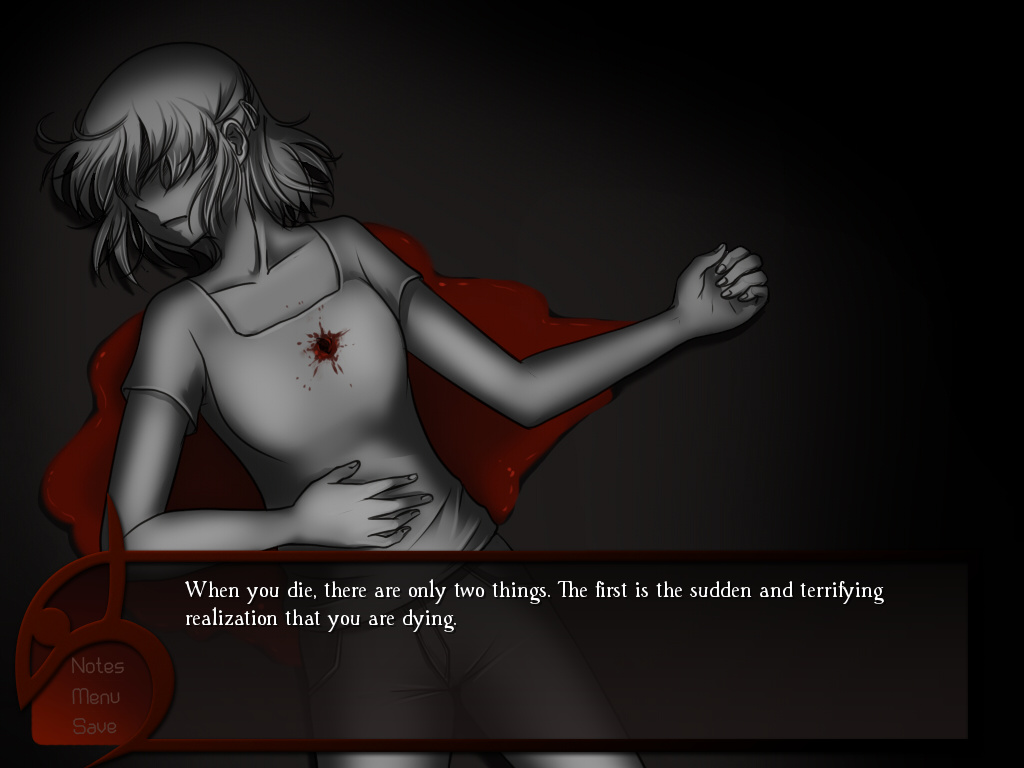
As a first-person visual novel, Jisei keeps you close to the nameless protagonist’s investigation rather than stepping outside it into a separate action-oriented viewpoint. The format fits a case built around observation, testimony, and the disturbing intimacy of touching the dead.
Story
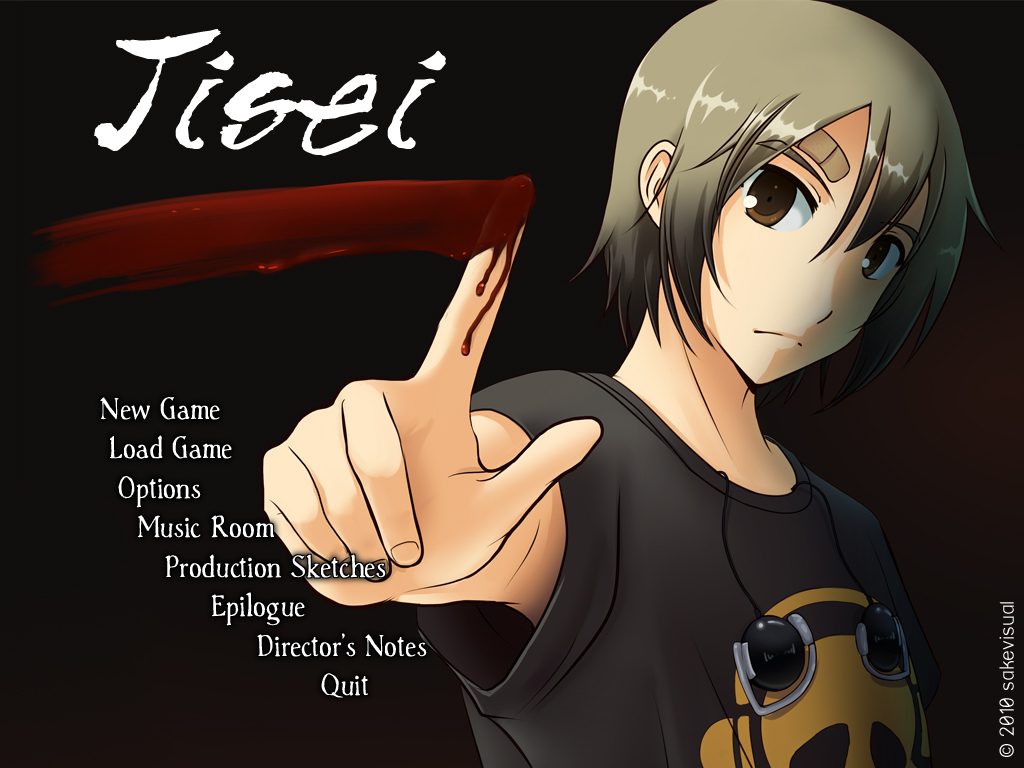
The central premise is immediately compelling. A teenage nomad with no name, no settled life, and a supernatural connection to the final moments of corpses is already an outsider; placing him next to a murder victim makes that isolation dangerous. You have a personal reason to dig into every clue because clearing the case means clearing yourself.
What works is the economy of that setup. The murder, the accusation, and the protagonist’s ability all point in the same direction, so the story does not need a lot of detours to establish its stakes. The supernatural element is not just a strange flourish pasted onto a detective plot; it directly shapes how the protagonist can approach the victim’s death.
This is the first case, and it plays like an opening mystery designed to introduce its lead through pressure. Go in wanting a contained whodunit with a paranormal wrinkle, not an enormous epic. The real question it asks of you is simple and effective: can someone who literally experiences death’s last instant use that knowledge without becoming even more suspicious?
Overall Experience
Jisei: The First Case is easy to recommend to visual-novel fans who like mysteries with a concrete objective. The investigation has a useful sense of direction: inspect, choose, learn, and ultimately connect the evidence. You are not wandering through a vague mood piece; you are trying to identify a killer before suspicion closes around the protagonist.
Its best idea is also its strongest reason to play. The corpse-touching ability gives the murder investigation an unnerving angle, while the false accusation ensures the case matters to you beyond ordinary curiosity. The final recall challenge gives the earlier reading some weight, rewarding attention rather than treating every clue as disposable flavor text.
Give it a chance if you want a concise detective visual novel and do not mind being tested on the facts you have collected. The payoff is worth it when you enjoy mentally revisiting the case and putting the pieces together yourself. Anyone who prefers broad exploration, dense systems, or a mystery solved automatically may find its focused, memory-driven approach less accommodating.



Reviews
There are no reviews yet.