 Retro Replay Retro Gaming History, Reviews & Emulation

Retro Replay Review
Gameplay
The first stretch of Pid hooks you with an immediately understandable fantasy: you are a small boy trapped somewhere strange, and gravity is your way of making the hostile terrain negotiable. Rather than simply hunting for the next safe ledge, you need to think about how altered gravity can change your route. That gives the platforming a welcome pause-and-plan rhythm. A gap or obstacle that looks like a dead end can become a puzzle waiting for the right idea.
What starts to click is the need to read a room before committing. This is a side-view puzzle-platformer, so your decisions still need to survive movement and timing. Solving the conceptual half of a challenge is rewarding, but you must also carry it out cleanly enough to get Kurt through. That mix can make progress feel earned in a way straightforward hopping rarely does.
It can also be where frustration settles in. Gravity puzzles are naturally demanding because one bad placement or mistimed attempt can leave you rethinking the whole setup, not merely retrying a jump. Go in expecting to slow down, experiment, and accept that some obstacles are meant to make you stop rather than sprint ahead. The game is a better fit when you enjoy working through a stubborn platforming problem than when you just want constant forward momentum.
There is a nice tension in using a playful idea for a world that is not especially welcoming. You are not a powerful hero flattening everything in your path; you are Kurt, trying to find a route home through terrain and puzzles that regularly have other plans. That smaller-scale vulnerability gives each successful crossing some weight.

Graphics
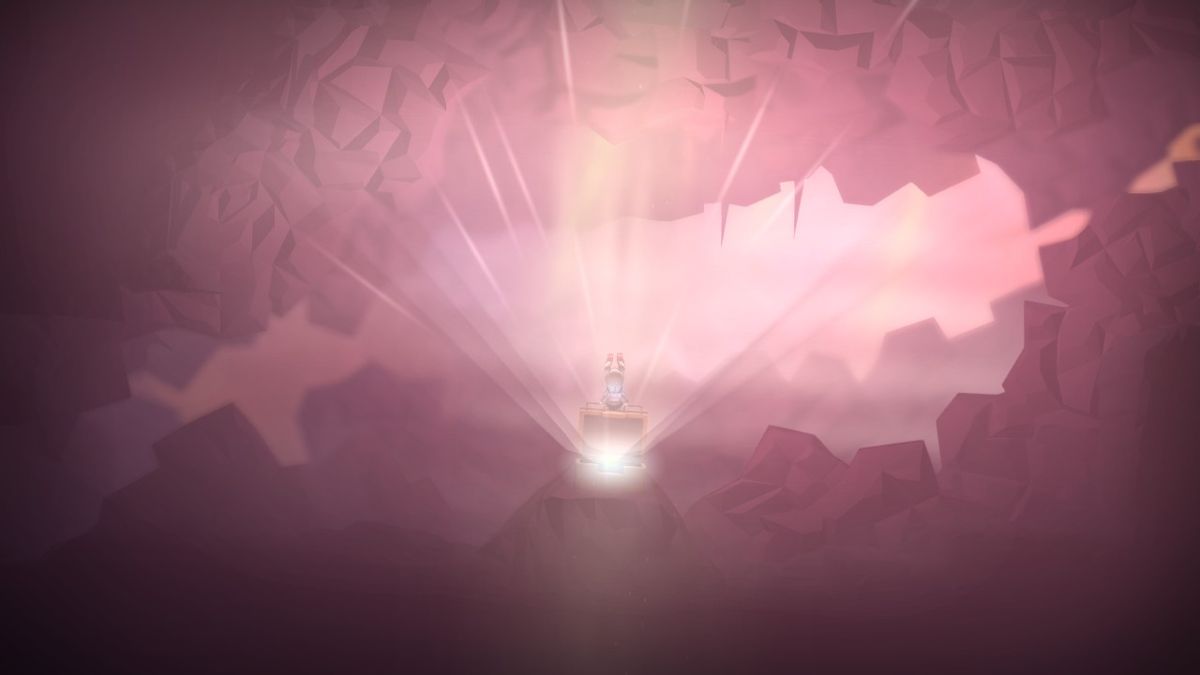
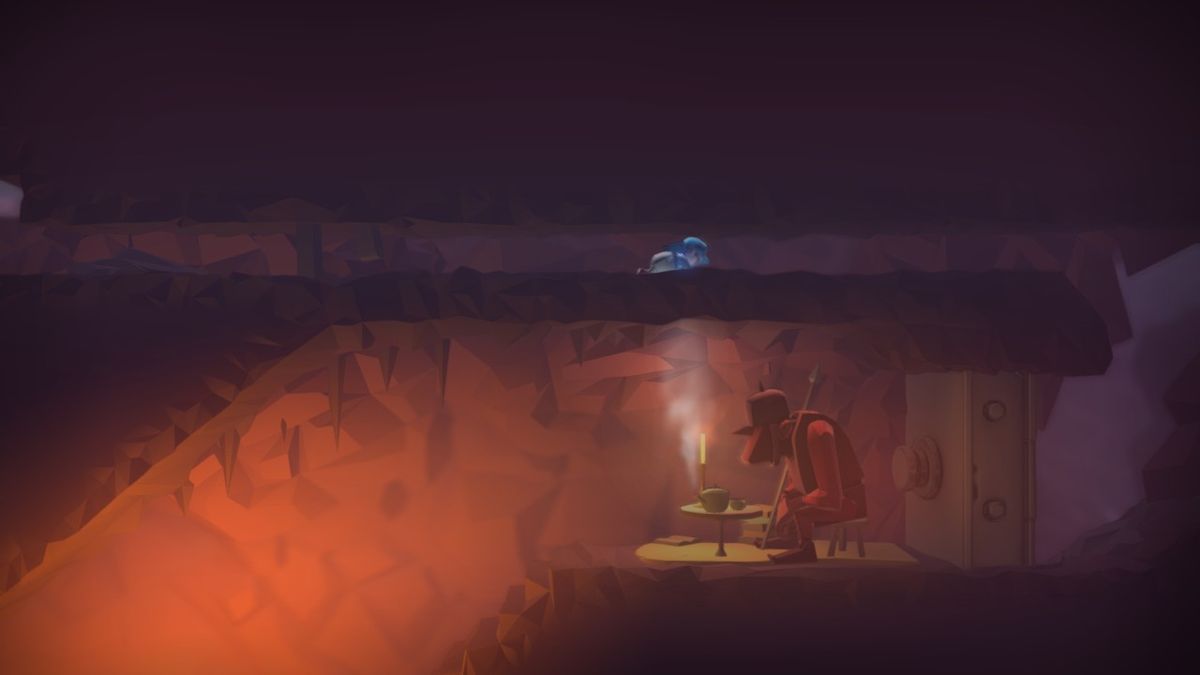
Pid uses a 2D side-scrolling view, keeping Kurt, platforms, obstacles, and the robot inhabitants in profile as you work across the strange planet. The robot-filled setting gives its locations an offbeat sci-fi flavor, while the fixed side view keeps the immediate geometry of each platforming puzzle in front of you.
Story
Kurt’s predicament is uncomplicated but useful: he suddenly lands on a strange planet, wants to return home, and discovers that something is wrong for the robots who live there. That is enough motivation to keep the journey pointed in a clear direction without pulling attention away from the puzzles.
The robot population adds more than a decorative backdrop. Their danger gives Kurt’s search for a way home a wider stake, turning the trip into more than a series of disconnected obstacle courses. You are moving through a place with its own problem, even if the basic goal remains personal and direct.
Do not expect the premise to do the heavy lifting in the way a story-first adventure would. Its strength is that it gives the odd planet and its obstacles context: you have landed somewhere you do not understand, and getting out means navigating the trouble already brewing there. It is a clean frame for a puzzle-platforming journey.
Overall Experience
Pid is most rewarding when you enjoy the moment where confusion gives way to a plan. Its gravity focus helps it stand apart from ordinary 2D platformers, because reaching the next area depends on changing how you interpret the space, not only on sharper reflexes. When a route finally makes sense and you execute it, the result is genuinely satisfying.
The trade-off is a game that asks for patience. Obstacles can push you into repeated attempts or a fresh look at your assumptions, and that will either be the point or the breaking point depending on your taste. Treat it like a puzzle game with platforming consequences, not a fast action game with a few brainteasers tucked in.
At 6.9, it lands as a worthwhile but selective recommendation. Give it a chance if you like deliberate 2D challenges and the idea of manipulating gravity sounds more exciting than exhausting. Skip it if you need your platformers to be forgiving, fast, and consistently frictionless; Kurt’s strange trip expects you to earn the way forward.


Reviews
There are no reviews yet.