 Retro Replay Retro Gaming History, Reviews & Emulation
Retro Replay Review
Gameplay
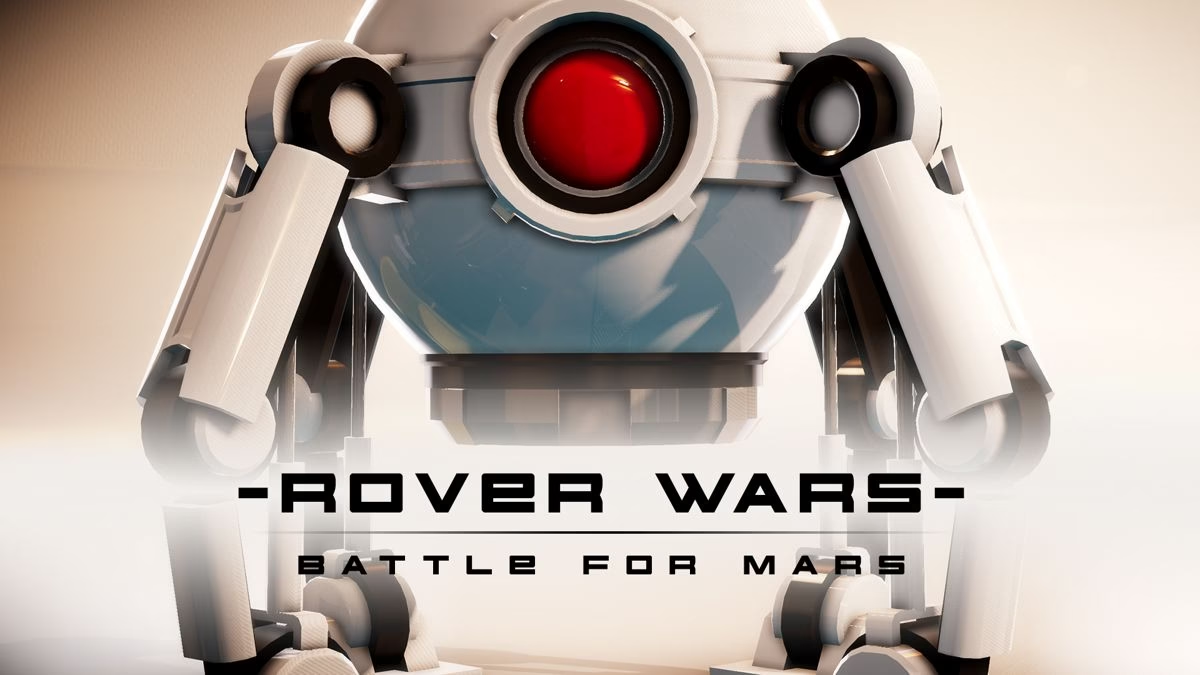
Rover Wars: Battle for Mars takes a familiar real-time strategy goal, destroy the opposing base, and gives you a more hands-on place in the fight. You directly control a rover while also placing factories and managing the resources that keep your army moving. That combination should make the early minutes feel active: you are not simply watching units march after issuing orders, because your own rover has a stake in the battlefield.
Factory placement is the part that gives the game its tactical teeth. You need to decide where production belongs and which factory types are worth committing to, while units advance toward enemy buildings. There is a clear potential for bad decisions to hurt quickly. Put your production in an awkward spot or spend resources poorly, and the other side can turn its pressure into a base-killing push before you recover.
The 17-map campaign and battle mode offer a sensible split between solo play and repeatable skirmishes. The campaign is the better place to learn the rhythm of rover control, resource management, and production placement. Battle mode is more inviting once you understand that rhythm and want to experiment with different settings.
Local play is the standout. Up to eight people can divide into two teams, with as many as four rovers on each side, and AI teammates can fill gaps in the roster. Configurable AI and base strength should help a mixed-skill group find a less lopsided starting point, although the real-time pace may still frustrate anyone who prefers slow, turn-by-turn planning.
Graphics
The action is viewed from above, keeping rovers, factories, advancing units, and enemy buildings in the battlefield view rather than chasing close-up drama. That practical angle fits a game where positioning production and tracking a push toward a base matter more than character detail.
Story
There is not much narrative weight attached to the conflict. Mars is a battlefield, the opposing side has a base, and the campaign gives that basic setup a sequence of maps to play through. The game is far more interested in the next production decision than in building a rich sci-fi tale.
That thin premise is not automatically a problem. Strategy games can work well with a simple excuse to fight, especially when the match structure is built around clear territorial pressure. Just do not go in expecting a character-driven campaign or a heavily developed Martian setting.
The title does at least communicate its tone honestly: this is a battle for control, not a mystery or an adventure. If you want context for the original release and its modes, the Rover Wars: Battle for Mars listing outlines the basics. In play, the story remains a light frame around the tactical contest.
Overall Experience
Rover Wars: Battle for Mars is a compact strategy game with a smart hook. Directly steering a rover gives you something personal to do while factories create the larger conflict, so the game avoids feeling like a purely hands-off unit-production exercise. Its focus stays narrow, but that focus is easy to understand.
You will get the most from it if you have friends nearby who enjoy real-time strategy without needing a huge campaign or a complicated story. The combination of team sizes, AI teammates, and adjustable difficulty settings makes it a better couch-game prospect than many small RTS releases, particularly for groups that want to tune the challenge instead of accepting one fixed matchup.
Solo strategy fans can still find value in the campaign and map count, but the limited premise means the payoff depends on whether the rover-and-factory loop clicks for you. If it does, the game offers brisk base assaults and useful room for local replay. If you need elaborate world-building or a deeply layered strategy epic, its straightforward design will likely feel slight.


Reviews
There are no reviews yet.