 Retro Replay Retro Gaming History, Reviews & Emulation

Game Overview
Gameplay
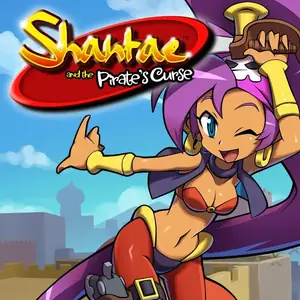
Risky’s Revenge – Director’s Cut is at its strongest when you are pushing through its side-scrolling world with a destination in mind, then realizing a puzzle or a route back through an earlier area has become the next obstacle. The blend of action, platforming, exploration, and puzzle elements gives it a natural forward pull. You are not simply clearing isolated stages. Progress asks you to keep the wider map in your head and return to places that have more to offer.
The new warp system is the edition’s most meaningful convenience. Backtracking belongs in a Metroidvania, but it can become tedious when the trip between points matters more than the discovery waiting at the end. Warping to various overworld locations respects your time without removing the structure that makes exploration matter. It is a small change with a noticeable effect on the game’s pace.
Magic Mode is a better addition than a novelty costume setting because its tradeoff is easy to understand and genuinely changes the pressure of play. Doubling Shantae’s magic power invites a more aggressive approach, but doubled damage means you cannot casually absorb mistakes. Try it after a normal run, when you want a reason to revisit the adventure with higher stakes rather than simply repeat the same route.
Story
The Director’s Cut leaves the core game largely intact, so its focus is clearly on making Risky’s Revenge easier to revisit rather than reshaping its central adventure. Shantae remains the focus, while the edition’s additions serve the rhythm of exploration and replay instead of demanding attention for themselves.
Overall Experience
This is a smart special edition of a 2D action-platformer because it improves the part that can wear on you without sanding away the game’s identity. The warp system makes a real difference if you dislike long return trips, while the rest of the adventure retains its compact, exploratory structure. It feels like a practical refinement, not a remake trying to replace the original.
The frustration point is also the point of entry for some gamers. If you want a straightforward sequence of levels with little revisiting, the Metroidvania structure and puzzle-driven progress may feel like friction. If you enjoy connecting locations, rechecking old paths, and working toward the next breakthrough, that same structure becomes the reason to keep going.
At 7.7, this lands as an easy recommendation for anyone who wants a focused Shantae adventure with meaningful quality-of-life help. Start in the standard mode to enjoy the exploration on its own terms. Save Magic Mode for when you want the same world to demand more nerve, tighter play, and a little less forgiveness.

Reviews
There are no reviews yet.