 Retro Replay Retro Gaming History, Reviews & Emulation

Retro Replay Review
Gameplay
Interpol gets interesting the moment one player chooses the five-letter code and hides each letter in a different numbered building. That opening act is not just setup; it is the police player laying a private trap across the whole town. The spy player then has to explore, reconstruct the word, and reach either the airplane or ship before both agents are caught.
The invisible movement of the selected spy is the game’s best idea. You know your own route, but the police player has to infer it from timing and likely objectives rather than simply chase a piece around the map. A capture attempt is a real commitment: press the action button when you believe an officer shares a space with a spy, and a wrong call merely hands the turn back.
The movement restriction gives this simple hunt some bite. Move horizontally on one turn and you must move vertically on the next, so you cannot casually beeline toward a building or escape route. Turn timers ranging from five to 60 seconds can make the game brisk or deliberately nerve-racking. Short timers suit players who enjoy quick reads and risky decisions; longer ones give the code hunt more room to become a careful positional duel.
Graphics
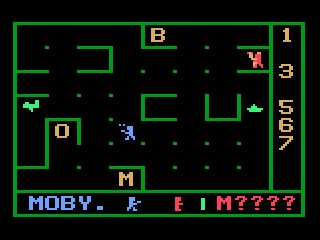
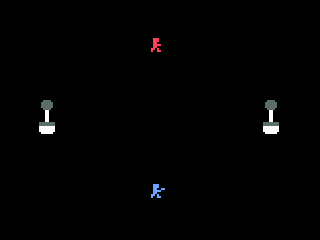
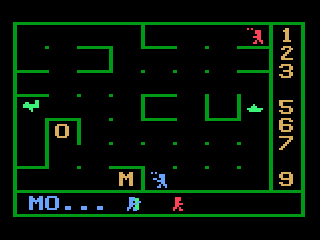
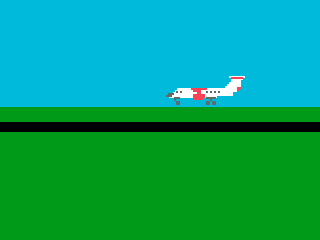
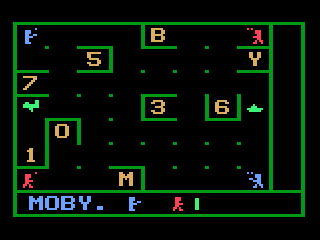
The main screen is a town represented by U-shaped numbered building boxes, with an airplane and ship marking the two exits. Red spies and blue police officers make the sides easy to distinguish, while the movement display at the bottom shows a red walking figure and green bars counting out distance.
Story
There is no sprawling spy drama here, and Interpol does not need one. Its entire premise is clean: two spies possess secret information, two police officers know the code needed to leave the country, and each side is racing to deny the other’s objective.
That setup makes every discovered letter matter. For the spies, a letter is progress toward a word and a possible escape. For the police, the same search pattern can reveal where a spy may be heading next.
The strongest narrative tension comes from what each side cannot see. The spies are hidden during movement, while the police hold the secret code. That imbalance gives both players a different kind of paranoia, which is far more effective than a more elaborate plot would have been.
Overall Experience
Interpol is a compact, head-to-head strategy game built around deduction rather than brute force. The first few turns can feel opaque because neither side has much to work with, but the match gains momentum as building visits, movement limits, and failed or successful capture guesses start narrowing the possibilities.
Its frustration is also its point. A police player can guess wrong and lose precious time; a spy player can collect letters yet still struggle to plan a legal route toward an exit. If you want a game that plainly tells you what the opponent is doing, this will feel severe. If you enjoy reading another person’s habits and making them doubt their own map knowledge, that severity becomes the fun.
Give Interpol a chance with another player who likes slow-burn mind games and can accept that both sides spend part of the match operating on suspicion. It is spare, but the code-building setup, hidden spy movement, and alternating-direction rule give the duel enough tension to make a successful escape or a correctly timed arrest feel earned.


Reviews
There are no reviews yet.