 Retro Replay Retro Gaming History, Reviews & Emulation
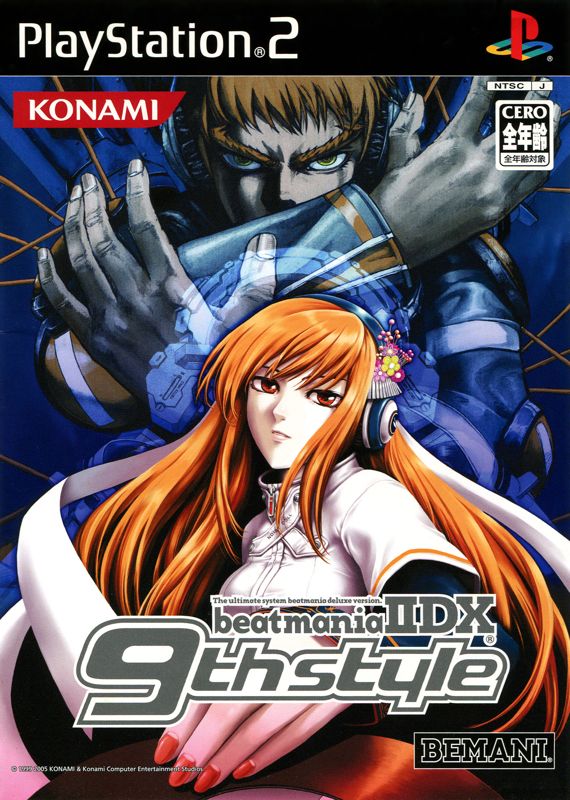
Retro Replay Review
Gameplay
The first few songs make the central IIDX routine immediately clear: notes scroll down, your hands split their attention between seven piano keys and a turntable, and every missed input is a reminder that this is a rhythm game built around coordination. It feels more physical than a simple button-matching game. You are not just following a beat; you are managing a compact instrument panel at speed.
That intensity is why the mode selection matters. Arcade mode asks you to sustain your performance through several tracks in succession, which gives a good run real momentum and makes a mistake sting. Free mode is where you can settle into a favorite unlocked song and work on it without the structure of a larger run. The divide is sensible: one mode tests your consistency, while the other lets you focus on the music and the chart in front of you.
Training mode is the feature that makes the steep learning curve feel worth confronting. Being able to practice sections without the danger of failure turns difficult material from a brick wall into a problem you can chip away at. Beginner’s mode and Class mode broaden the path further, whether you need a gentler introduction or want a more formal measure of progress. This is a game that expects effort, but it also gives that effort somewhere useful to go.
The 80-plus-song selection is the other major reason to stay. A rhythm game lives or dies by whether you want another song after the last one ends, and this is a substantial pool to explore. Repeating tracks is part of the deal, especially when a particular pattern has you beaten, but the game is structured around that repeat-play pull rather than treating it as a chore.
Graphics
The scrolling-note play screen keeps the important information front and center: you can track the descending notes while working across the seven-key layout and turntable input. 9th style also arrives with a completely revamped interface, giving its menus and surrounding screens a more updated look than the preceding entries.
Story
9th style’s momentum comes from performance rather than a conventional plot. The meaningful arc is the one you create as unfamiliar tracks become recognizable, then manageable, then satisfying to replay cleanly.
Arcade mode gives that arc a compact shape. A succession of songs turns each run into a small test of endurance, and reaching the next track carries more weight when you have had to earn it.
Class mode adds another useful sense of forward motion. Instead of needing a cast of characters or dramatic scenes, the game lets your growing comfort with its demanding inputs provide the reason to continue.
Overall Experience
beatmania IIDX 9th style is a demanding, generously stocked rhythm game with the right tools to make improvement feel tangible. The core controls are intimidating because they ask a lot of both hands, and that can be frustrating when the notes accelerate beyond what your coordination can currently handle. Yet Training mode prevents that frustration from becoming a dead end.
You should give it a chance if you enjoy practicing toward mastery and like rhythm games where repeated songs reveal more depth over time. The combination of Arcade, Free, Training, Beginner’s, and Class modes means you can choose whether a session is about learning, relaxed repetition, or a serious run.
The payoff is not a one-time finish; it is the moment a song that once felt impossible starts to make sense under your fingers. With a large track list and an arcade-minded structure, 9th style has the stamina to reward that commitment. It is less welcoming as a casual background game, but for anyone who wants a rhythm challenge with real room to grow, it remains an easy recommendation.


Reviews
There are no reviews yet.