 Retro Replay Retro Gaming History, Reviews & Emulation
Retro Replay Review
Gameplay
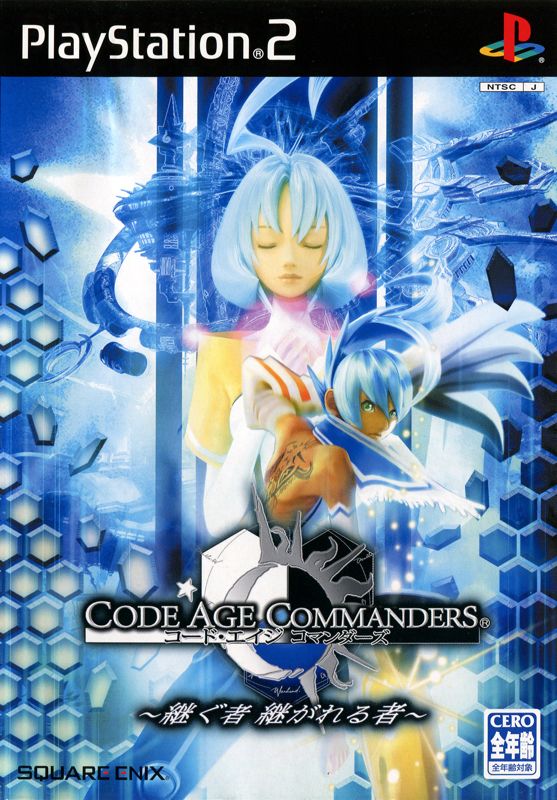
The first hour has a clean, immediate hook: Gene wakes after an Ark crash, gets dropped into a ruined planet full of enemies, and starts fighting. Code Age Commanders does not hide its action-game priorities. You take on discrete missions, meet an objective such as reaching a location or defeating enemies, and unlock more stages by clearing them. That forward push is easy to appreciate when you want a game that gets you back into combat quickly.
Combat has more going on than a basic one-button brawler. Each fighter attacks with weapons equipped to both arms, and stringing those attacks into combos gives the battles their rhythm. Blocking and dashing matter because the game also asks you to manage the power gauge attached to each arm: special attacks draw from it, and you need to let it recharge before leaning on those stronger options again. Heroic Actions add another reason not to play on autopilot. Once that timing starts to click, fights should feel more deliberate than their large-scale action-game comparison first suggests.
The upgrade loop is the clearest long-term incentive. Finished missions pay out Code Points, which buy and improve Code Extensions; these can raise a character’s abilities or add new weapons. That makes repeated success feel tangible, especially as the roster expands from Gene to three additional characters. The tradeoff is that the game’s stage-based design can make progress feel segmented. If you need every action game to deliver a continuous world or a constant stream of new scenarios, the mission board structure may wear on you. If you enjoy steadily tuning a fighter for the next challenge, it is a much easier structure to embrace.
Graphics
The third-person view keeps the focus on Gene and the other Warheads as they fight across a desolate sci-fi planet. Crashed Arks, hostile Otelo and Coded, and the conflict between Black and White give the game an anime-leaning futuristic frame rather than an ordinary military battlefield.
Story
There is a stronger mystery here than the action-game setup initially lets on. Humanity trusted the ReBorn Project to terraform its planet, then waited aboard huge Arks for a restored home. Instead, the Arks fall back to a world that is still devastated, with strange creatures roaming it and a war already under way. That is a good opening question: what exactly went so badly wrong?
Gene is a useful lead for this kind of story because he begins in the dark alongside you. His discovery that he is a Warhead—a warrior linking Human and Coded—ties his personal situation directly to the world’s central conflict. The premise has the right kind of Square Enix-era weirdness: technical terminology, damaged grand plans, and a protagonist whose identity is part of the puzzle.
The mission structure also makes room for backstory rather than treating every unlocked stage as a simple detour. Some missions advance Gene’s present-day journey, while others revisit the past to explain what led here. That split should reward you if you like piecing together a setting over time. You will get more from Code Age Commanders by treating those historical missions as part of the main draw, not as optional interruptions between fights.
Overall Experience
Code Age Commanders is at its most convincing when its systems reinforce one another: missions produce Code Points, Code Points improve Code Extensions, upgrades open up stronger or different ways to fight, and the expanding cast gives the combat more room to develop. It is a practical, gamey structure, but one with enough character-building and resource management to keep the next clear from feeling empty.
Frustration is most likely to set in if you want a free-roaming action adventure or a story delivered without interruption. This is a chain of objectives and battles, and its narrative is intentionally distributed between present events and trips into the past. Still, that focus can be a strength. The game knows that combat progression is the backbone and gives you concrete rewards for engaging with it.
For you, the deciding factor is simple: do dual-weapon combos, rechargeable special power, and incremental character upgrades sound like a satisfying reason to clear another mission? If so, the payoff is a distinctive PS2 action game with an offbeat ruined-world premise and a story worth following through its fragmented structure. It is not the kind of game that wins you over through a single huge idea; it earns its place by making its fighting and progression keep pulling you forward.


Reviews
There are no reviews yet.