 Retro Replay Retro Gaming History, Reviews & Emulation
Game Overview
Gameplay
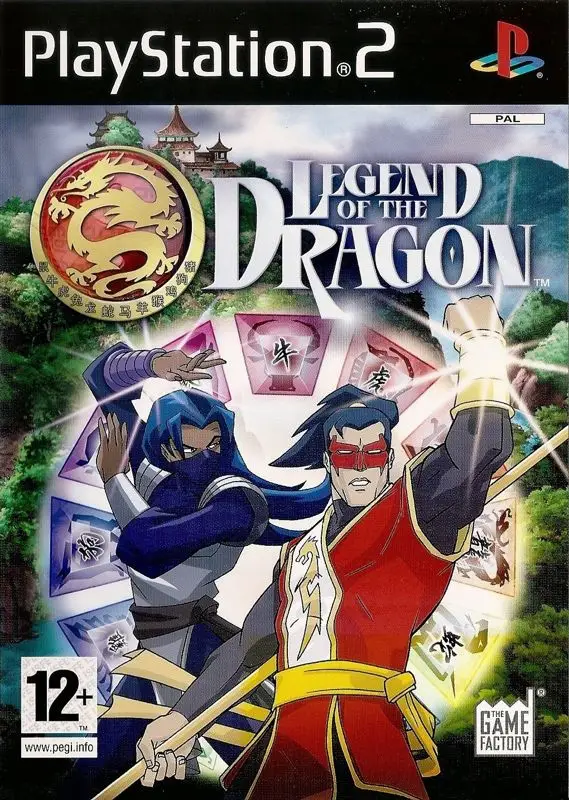
Legend of the Dragon starts from a sensible place for a licensed fighter. Although its characters are modeled in 3D, combat follows the familiar side-view rhythm of a 2D versus game. You pick a fighter, learn their punches, kicks, and character-specific moves, then try to win the exchange against an opponent. That makes the first few matches approachable even if you have no attachment to the show.
The Zodiac avatar transformation is the game’s clearest point of difference. Each of the 18 fighters can become a more powerful Zodiac form, giving a match a natural escalation beyond basic attacks. Quest also adds a power-up system, so it has a little more structure than simply stringing together isolated fights. If you want a single-player mode with something to pursue, start there rather than treating Quick Fight as the whole package.
There is no shortage of ways to arrange a fight. Survival, Time Attack, and Ranking offer different solo tests, while Versus, Tag Battle, and Team Battle make room for local competition. Up to four people can participate, with two fighting simultaneously, which makes the team formats more social than a standard one-on-one set. Destructible terrain adds a bit of physical chaos to the bouts, though the core draw remains the direct exchange between two combatants.
The limitation is that Legend of the Dragon leans heavily on its license and mode count. A roster and several rule variations can keep you busy, but the basic fighting framework is deliberately familiar rather than adventurous. If you want deep competitive discovery, the game may feel slight. If you want uncomplicated couch matches where everyone can quickly choose a favorite Zodiac warrior, its simplicity works in its favor.
Story
The conflict is clean Saturday-morning fantasy: Woo Yin, an evil Zodiac Master, wants to steal the powers of the twelve Chinese Zodiac temple guardians and rule China. It gives the fighters a clear good-versus-evil reason to clash, but the game is more interested in putting the series cast into battles than developing a complicated narrative. Fans of the show will get the most out of seeing its characters gathered into one fighting roster.
Overall Experience
This is a middle-of-the-road licensed fighting game with enough options to avoid feeling empty, but not enough evidence of a bold fighting-game identity to rise above its peers. The 2D-style combat structure, transformations, and destructible environments make for a coherent package. Nothing about that formula is hard to grasp, which is useful when friends are passing the controller around.
You should give it a chance if the animated series means something to you, or if you enjoy older local fighters that put character selection and quick rematches ahead of elaborate systems. The 18-character lineup and multiple match formats provide reasonable variety, especially when you can use Tag Battle or Team Battle with a group. Quest is the mode to try when playing alone.
Everyone else has less reason to seek it out. Legend of the Dragon has a functional premise and a welcome amount of content for its type, yet it sounds more like a serviceable adaptation than a fighter with a must-play hook. Its payoff is a few lively local bouts with recognizable Zodiac characters, not a new standard for the genre.

Reviews
There are no reviews yet.