 Retro Replay Retro Replay gaming reviews, news, emulation, geek stuff and more!
Retro Replay Review
Gameplay
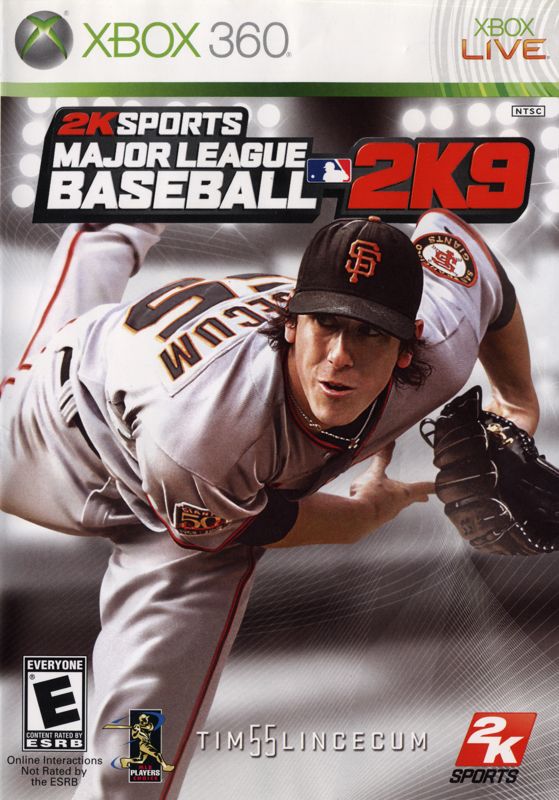
Major League Baseball 2K9 is built around the contrast between individual at-bats and the long-term demands of running a club. You can take the field for games yourself or simulate them, so a season does not have to become a commitment to playing every one of its hundreds of matches. That flexibility is important because the game clearly treats baseball as both a contest on the diamond and a management exercise.
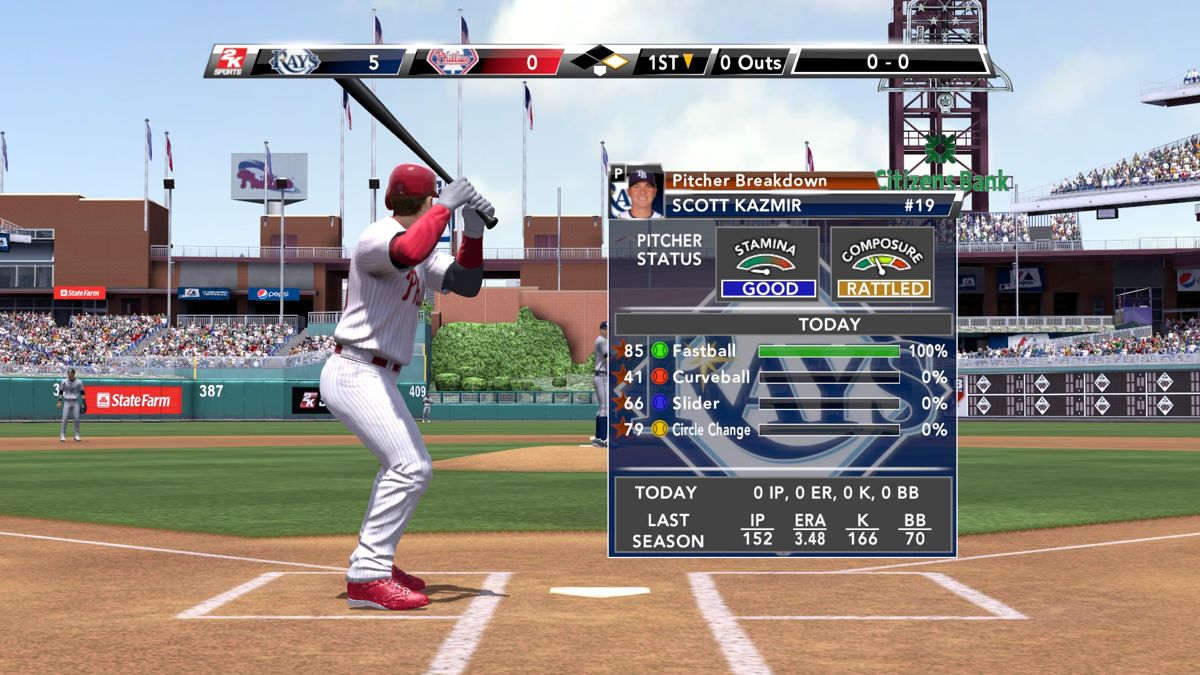
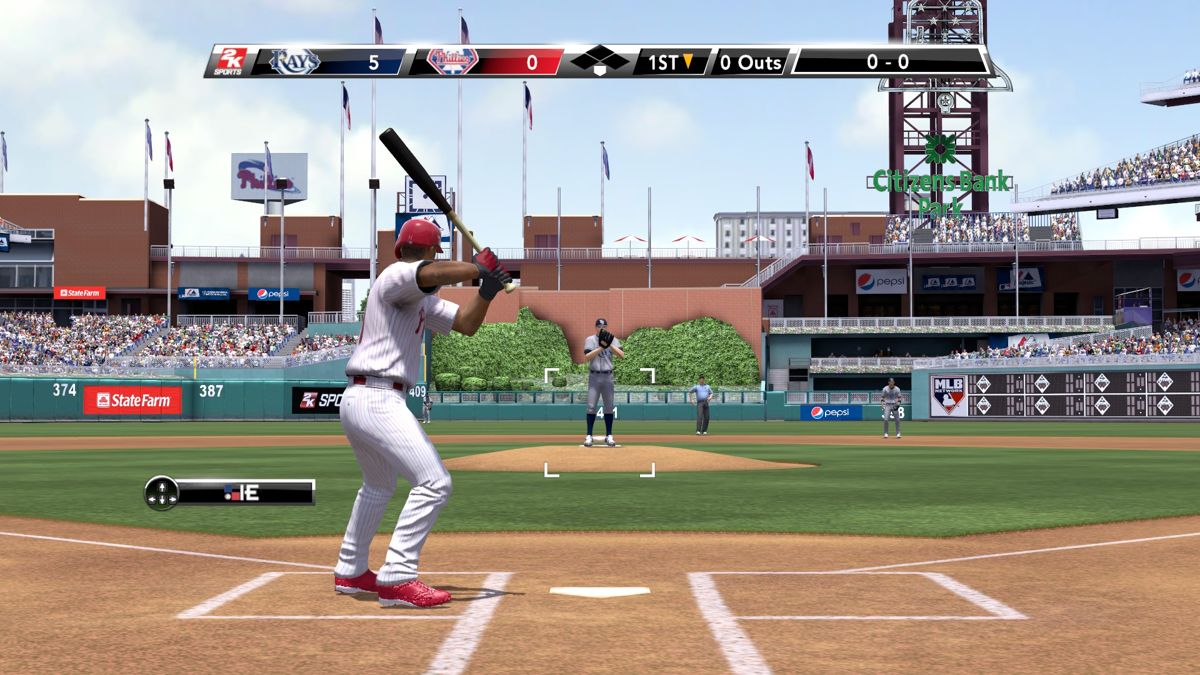
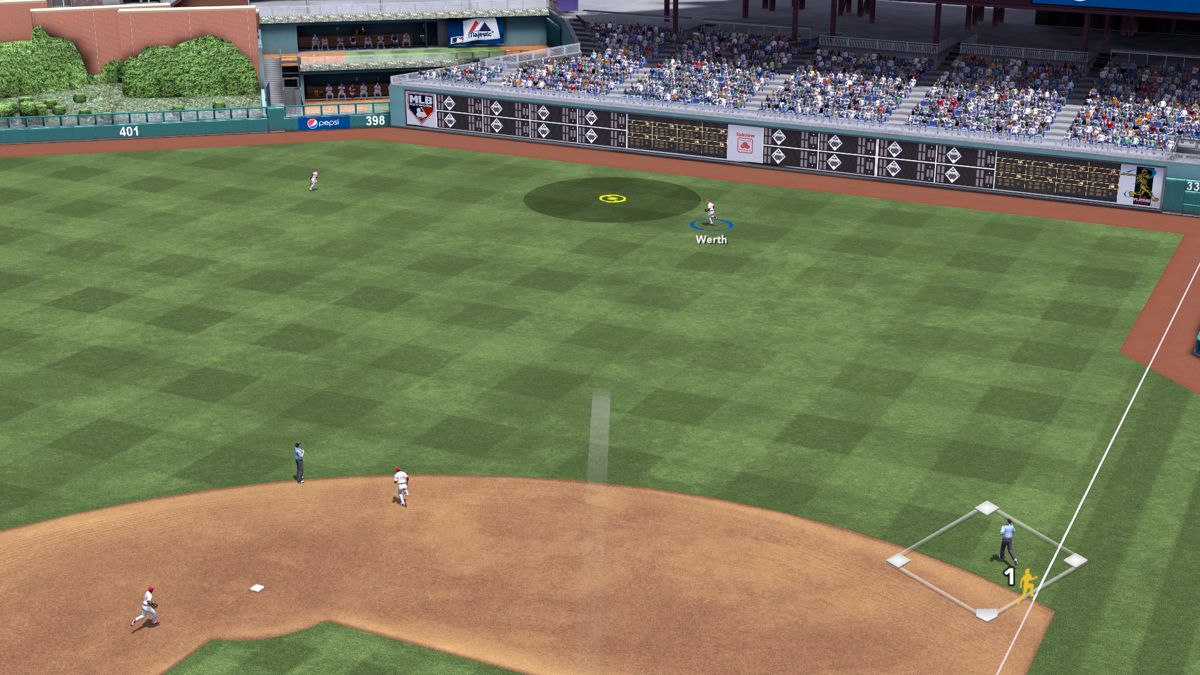
Pitching uses separate inputs for targeting and recreating the motion of the selected pitch, giving the act of throwing a more deliberate rhythm than a single-button approach. Batting is rooted in swing timing, with different contact influencing where the ball goes. Fielding is more streamlined, asking you to direct the controlled player’s throw rather than burdening every defensive moment with the same kind of precision used on the mound.
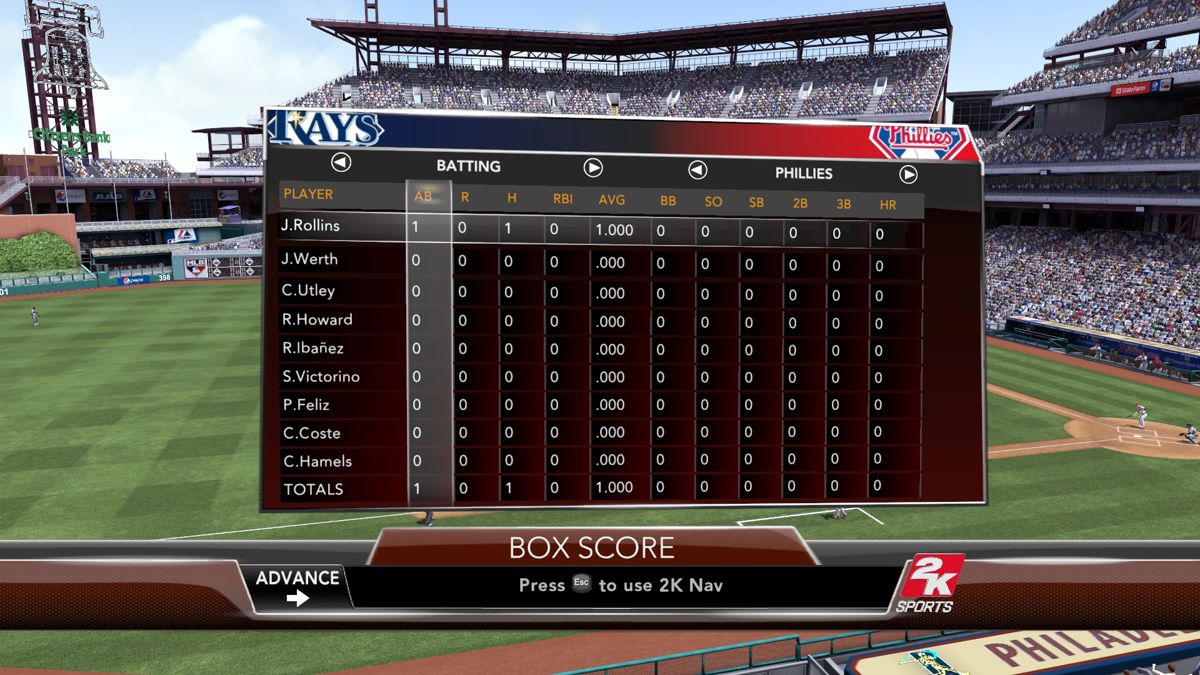
Franchise mode supplies the deepest material. Extensive statistics, player trading, free-agent recruitment, and training ask you to consider more than the next game. Free agents weigh their wishes, including a club’s prospects for success, against salary demands; trades depend on the roster values assigned by each club. Players who enjoy evaluating a roster and planning a season will find much more to do here than in the standalone modes.
Graphics
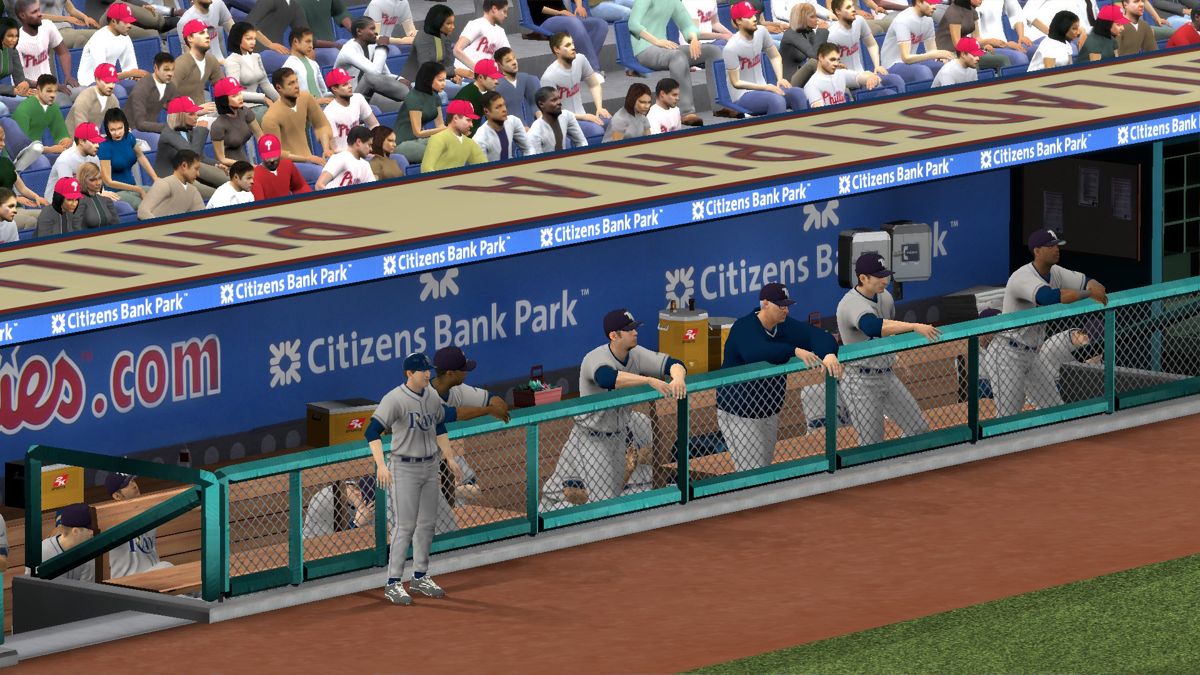
As a licensed baseball game, Major League Baseball 2K9 frames its action around the recognizable structure of professional baseball rather than an exaggerated arcade format. Its presentation is ultimately in service of the sport’s familiar flow: pitching, hitting, fielding, and the accumulating consequences of a full schedule.
The clearest presentation difference is in control design across platforms. On Wii, the Remote and Nunchuk are used directly for batting and pitching, which makes the game’s central actions more physically oriented. PSP changes the fielding controls, while the other versions retain the broader controller-based approach to the same baseball framework.
That platform variation means the presentation is not completely uniform from one release to another. Readers choosing a version should consider whether they prefer direct motion-oriented batting and pitching on Wii or a more conventional control layout elsewhere, rather than assuming the experience is identical across every platform.
Story
There is no conventional authored story here. The season itself supplies the narrative: a club’s results, its trades, its free-agent decisions, and its route toward the postseason create the context for each game.
Franchise management gives those results some stakes beyond the box score. A player’s wishes can affect contract negotiations, and a team that better meets those expectations can secure talent for less money. That turns club-building into an ongoing argument between ambition, finances, and roster needs.
Postseason mode offers a more concentrated competitive arc for players who want playoff baseball without committing to the full Franchise structure. Home Run Derby and Training serve different purposes again, focusing on a single skill or activity instead of building a season-long tale.
Overall Experience
Major League Baseball 2K9 is best approached as a baseball simulation with management at its heart. The ability to play or simulate games makes its lengthy season structure more accommodating, while the Franchise systems give roster-minded players reasons to keep checking statistics, developing players, and revising their plans.
The game’s strongest appeal is likely for readers who enjoy the connective tissue around baseball: assessing player value, pursuing free agents, managing training, and deciding when a simulated result is enough. Those looking only for quick exhibition-style action have Training and Home Run Derby, but the game’s most substantial design lies in carrying a club through a season.
Its 6.4 score reflects a competent, feature-driven package whose value depends heavily on your tolerance for detailed franchise administration. If you want baseball action supported by trades, contract decisions, player development, and season management, it offers a focused set of tools; if those responsibilities sound like chores, its core attraction may not land.


Reviews
There are no reviews yet.