 Retro Replay Retro Gaming History, Reviews & Emulation
Retro Replay Review
Gameplay
The first few matches make the change in priorities clear: WWE SmackDown vs. Raw 2011 wants you to think about the space around the ring as much as the holds inside it. A ladder can rest on the ropes, break apart, and become part of the chaos rather than simply waiting to be climbed. Tables do not all collapse in the same canned way, either; the force of the impact changes the result. That makes a good TLC match feel more satisfying because you are not just reenacting the same stunt every time.
Weapons benefit from that extra flexibility. Chairs can be thrown at an opponent for the first time since the original SmackDown! vs. Raw, and the Hell in a Cell overhaul adds weapons beneath the ring, steel steps by the poles, expanded walls, and no cell door. Those details give you more reasons to move a fight around instead of circling the center of the ring waiting for the next opening.
Steel cage matches also gain new escape options, which is exactly the kind of refresh a recurring match type needs. Not every bout needs the extra hardware, of course, but the new physics makes stipulation matches the obvious place to spend your time. If you mainly want standard one-on-one contests, the improvements will feel less transformative. If you enjoy making a match spill into a chain of improvised weapon spots, this is where the game earns its keep.
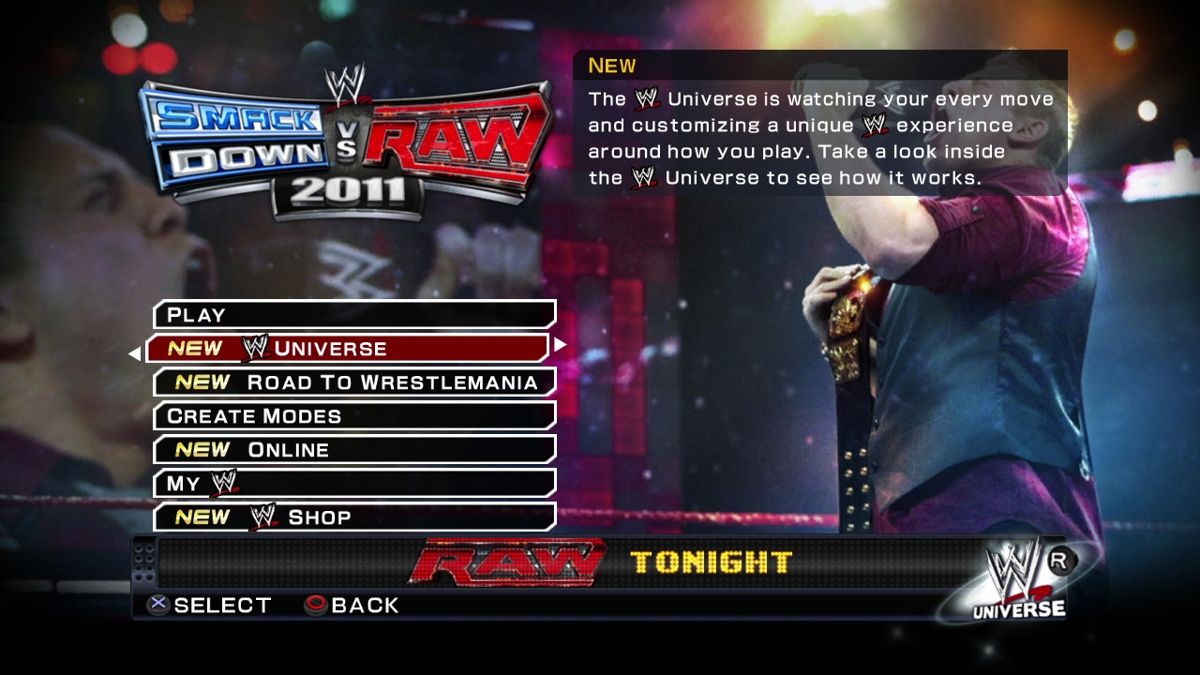
WWE Universe is the other major hook. Replacing the previous career mode, it builds rivalries and inserts cutscenes before, during, and after matches based on what is happening in your card. The random element means you should not expect the clean pacing of a single scripted story, but it gives the game a useful sense that your bouts belong to an ongoing WWE schedule rather than a disconnected exhibition menu.
Graphics
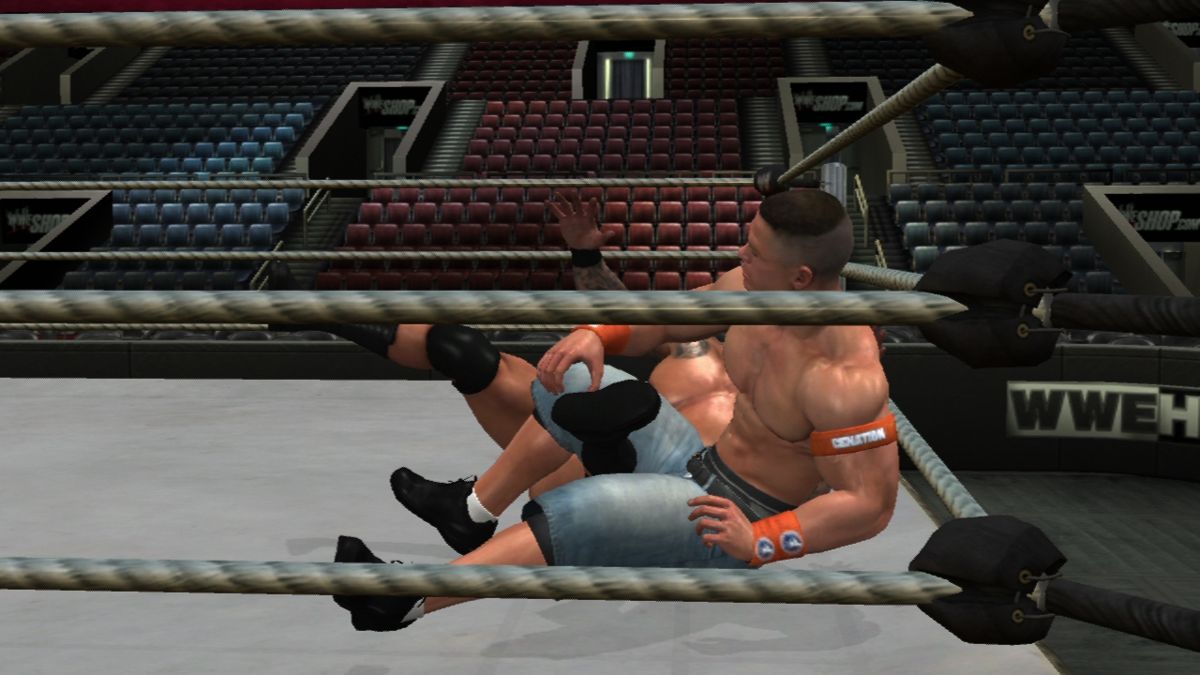
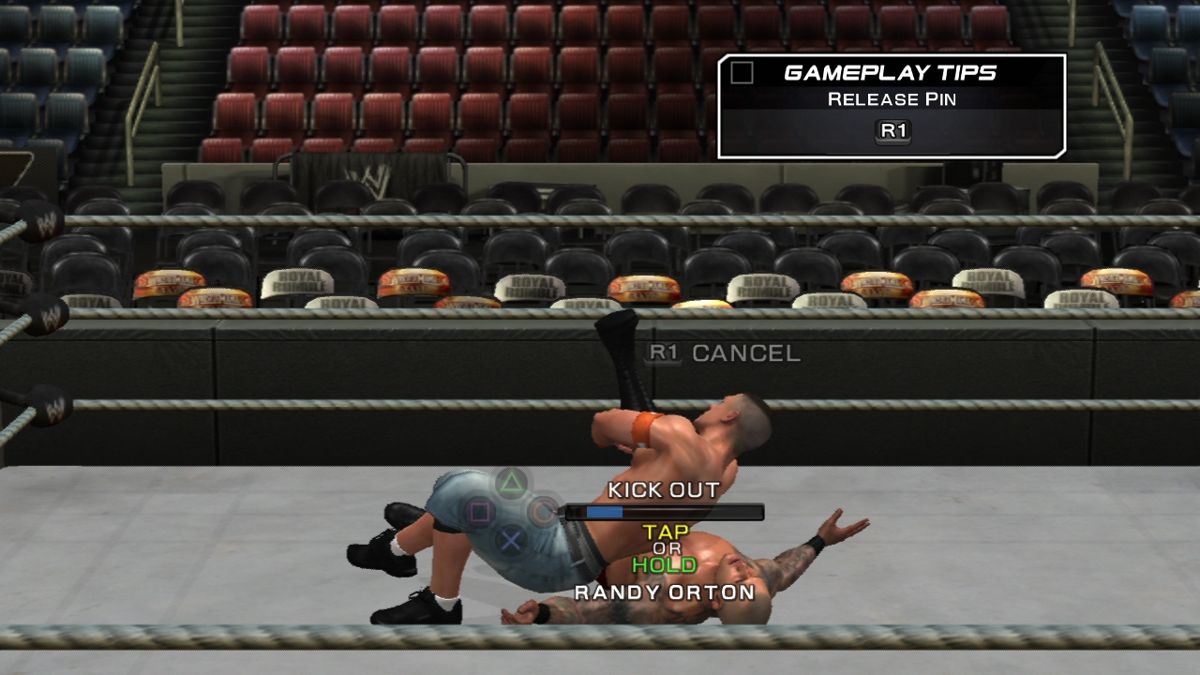
The action centers on recognizable WWE spaces: the ring, its ropes, the steel cage, and the expanded Hell in a Cell walls. The most useful visual improvement is practical rather than flashy: when ladders lean against the ropes or tables break from different impacts, the match space looks less static and makes the mayhem easier to read.
Story
Road to WrestleMania remains the place to go when you want a more deliberate wrestling-story structure. This version adds backstage roaming, mini-quests, and more interaction with other Superstars, giving the mode something to do between its matches rather than treating every chapter as a straight march to the bell.
You can follow playable paths for Rey Mysterio, John Cena, Christian, and Chris Jericho. There is also a WrestleMania streak storyline built around trying to end The Undertaker’s undefeated run, with Kofi Kingston, John Morrison, Dolph Ziggler, R-Truth, or a created Superstar available as the challenger. That is a strong setup for anyone who wants their wrestling game to chase a big, clearly defined prize.
The contrast with WWE Universe works in the game’s favor. Road to WrestleMania gives you authored scenarios and specific stars; Universe supplies the looser, rivalry-driven alternative. Switching between them keeps the package from relying entirely on either strict scripting or random cutscene momentum.
Overall Experience
WWE SmackDown vs. Raw 2011 is a worthwhile entry because its best additions affect what you do moment to moment. Physics-driven tables and ladders are not just bullet points when they turn familiar stipulations into more active, less predictable fights. Hell in a Cell gets a similarly welcome boost from the expanded arena and extra objects around it.
Its broad menu of ways to play helps, too. WWE Universe gives you an ongoing replacement for career mode, while Road to WrestleMania offers focused superstar stories and backstage diversions. You can choose the kind of wrestling fantasy you want: guide a known name through a storyline, make a created wrestler chase The Undertaker’s streak, or let a Universe rivalry develop across cards.
The payoff is strongest for wrestling fans who enjoy creating memorable match moments rather than simply racing through a single campaign. The core idea is familiar, but the revised match environments make it feel more playful and more reactive. At 7.4, it lands as a solid, enjoyable WWE game whose strongest work happens when you grab a weapon and let the match get unruly.


Reviews
There are no reviews yet.