 Retro Replay Retro Gaming History, Reviews & Emulation
Retro Replay Review
Gameplay
The first hour makes a strong case for Alpha Protocol because it does not treat Michael Thorton as a fixed hero. You pick a starting background, reshape the associated skills before setting out, and can tailor his face and clothes. More importantly, the game quickly pushes you toward a question that matters for the whole campaign: what kind of operative are you actually going to be? A direct soldier, a careful infiltrator, a tech-minded problem solver, or an adaptable freelancer all lead you to approach the same dangerous work differently.
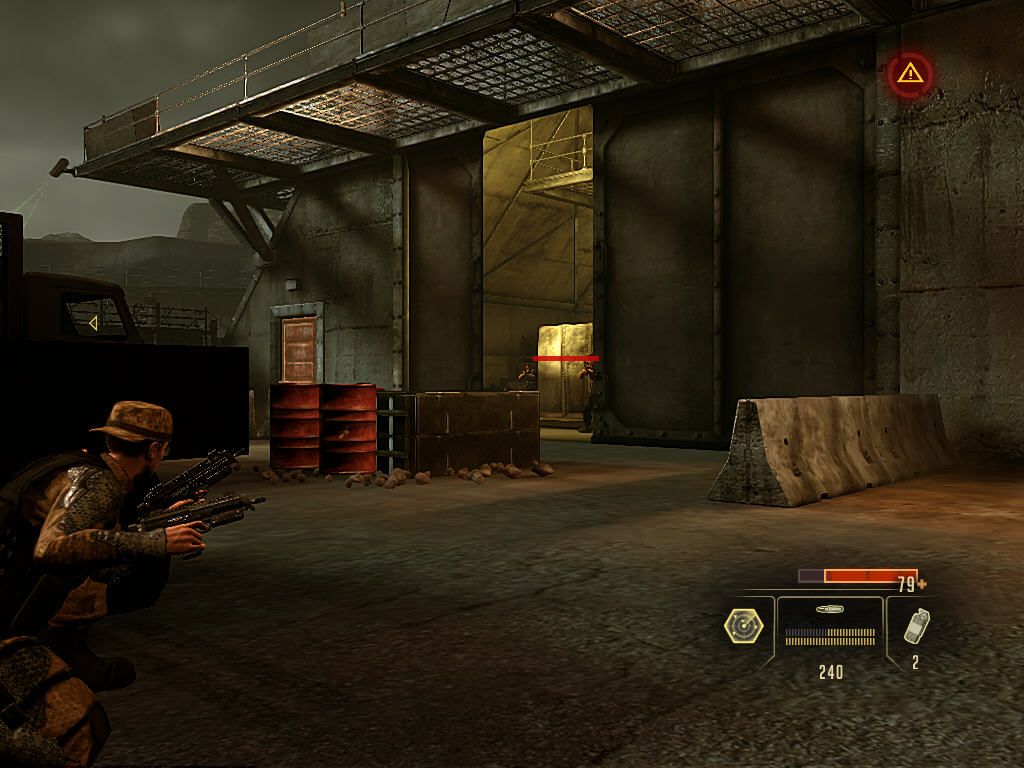
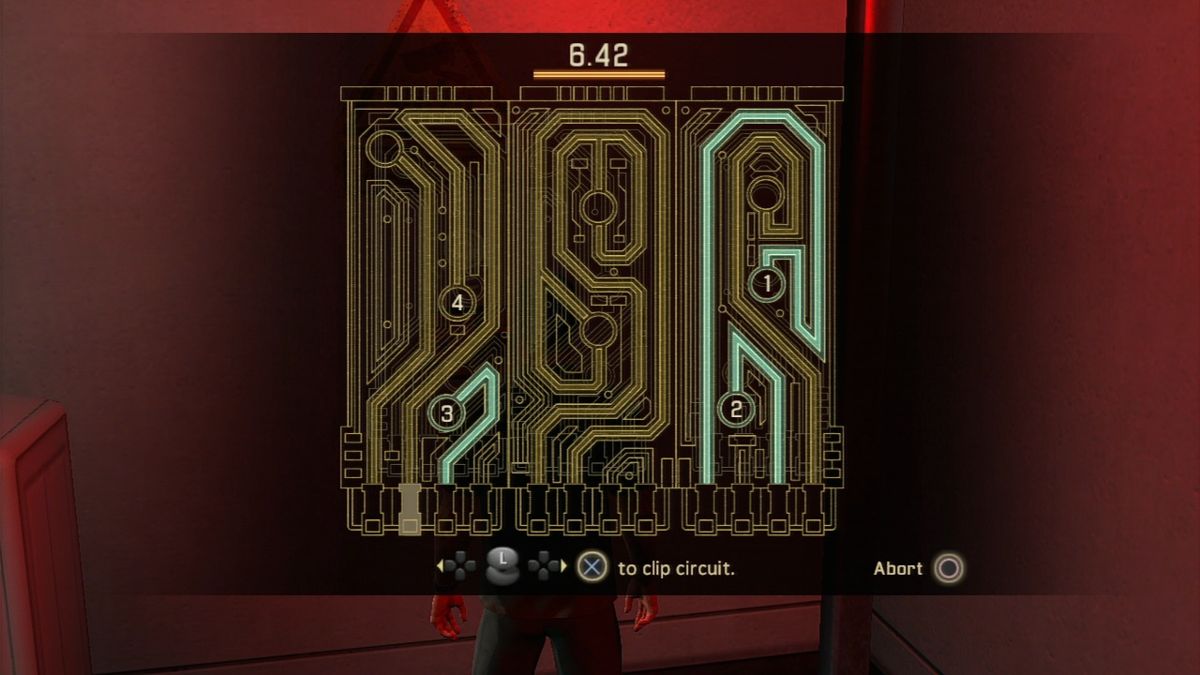
That flexibility is the reason to play. Gunfights reward patience: taking time to aim improves accuracy and critical-hit chances, so blindly spraying ammunition is a bad habit rather than a reliable plan. Stealth has its own satisfying rhythm of staying unseen, taking down unaware enemies, picking locks, hacking systems, and rerouting electronics to bypass guards or alarms. The hacking, lock-picking, and electronics tasks become tougher over time, and that gives a specialized build real value instead of making skills feel like decorative numbers.
Skill investment is where the role-playing side starts to click. Nine skills can be improved repeatedly, and fully developing one lets you specialize further, though only three skills can receive that treatment. That limitation makes a focused Thorton more interesting than a character who tries to cover every base. Put points into Stealth and abilities such as Awareness can reveal enemy positions and facing directions through walls; improve a weapon skill and you gain lasting combat benefits alongside special abilities. You can experiment, but the game clearly wants you to live with your decisions.
Between missions, the safe-house routine is surprisingly important. Choosing Rome, Moscow, and Taipei in your preferred order gives the campaign some agency, while the TV, email, weapons locker, and Clearinghouse make preparation feel like part of the assignment. Selling found items for money, buying gear or upgrades, researching contacts, and even arranging help such as missing guards can change the odds before you enter a level. It is a smart loop, although you will feel the pressure if you neglect intel and spend resources carelessly.
Graphics
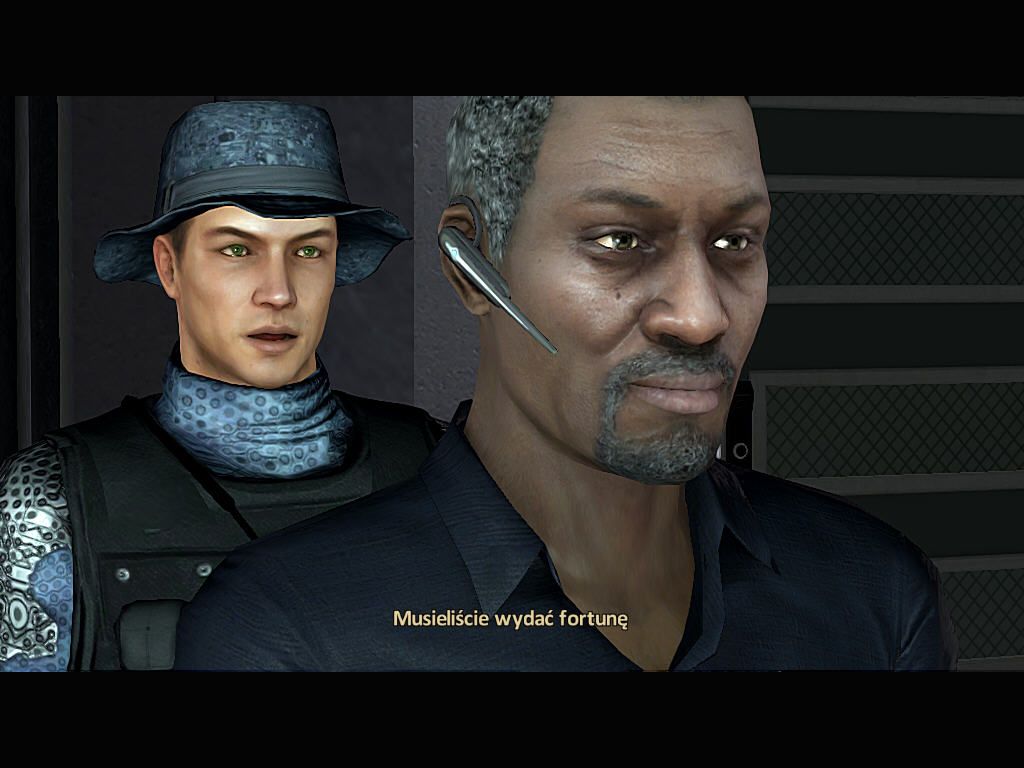
Alpha Protocol keeps the camera behind Michael Thorton, which suits a game built around moving through guarded spaces with a gun ready or a stealthy route in mind. You can alter his facial features, color choices, and clothing at the start, then change his look again at safe houses and certain lockers.
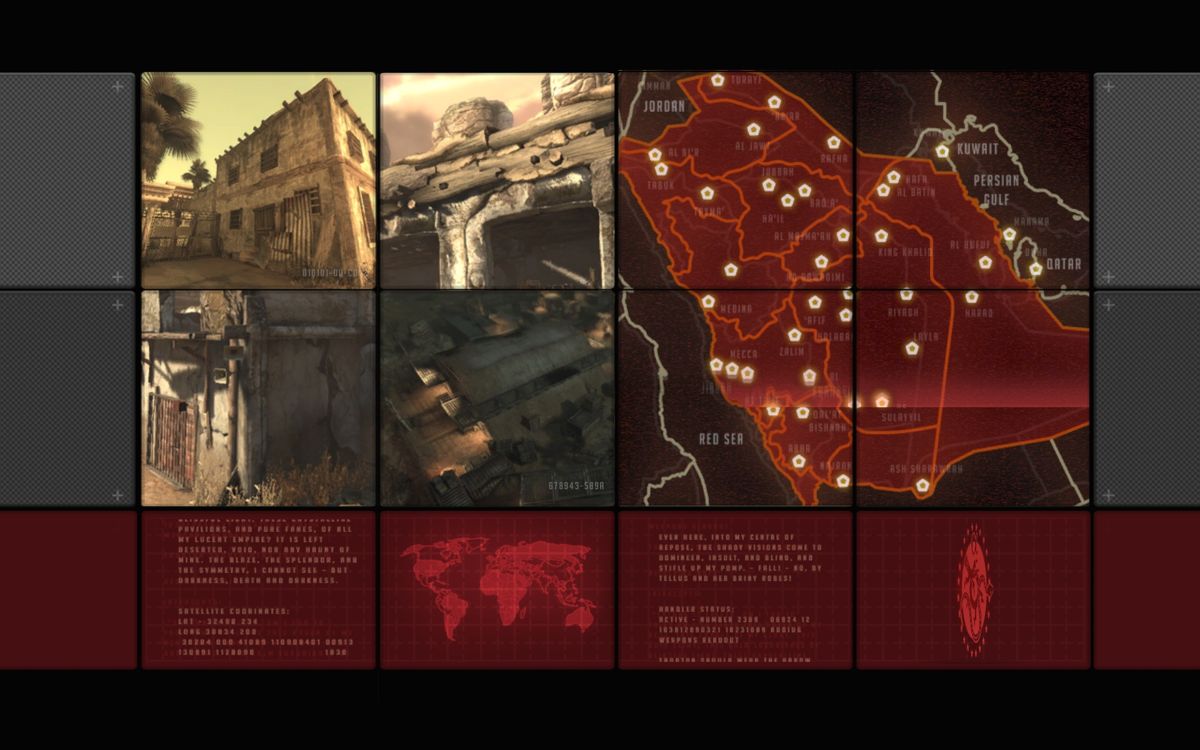
Rome, Moscow, and Taipei give the campaign a useful globe-trotting frame, while the interface-heavy safe-house scenes put televisions, email, loadout choices, and the Clearinghouse in front of you as part of the spy routine.
Story
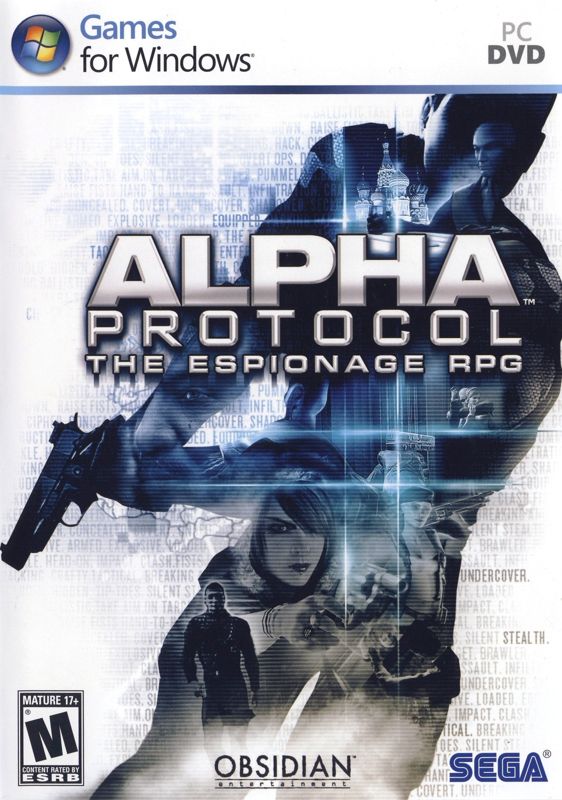
Michael Thorton begins as a man whose former life has effectively been erased by Alpha Protocol, a covert service operating without ties to the US government. His initial target is Shaheed, the Al-Samad leader responsible for destroying a passenger plane in the Middle East. That assignment soon opens onto a larger conspiracy, and the story works best when you treat it as a chain of personal and political calculations rather than a simple hunt for one villain.
Conversations are the game’s sharpest storytelling tool. Dialogue choices show a tone or topic instead of spelling out the exact response, and the timer means you must make a call before you can overthink it. That can be frustrating if you want complete control over every sentence, but it also creates the useful tension of an operative forced to react in the moment. Gather enough intel and you unlock more ways to handle a person; ignore it and you may enter an important exchange without the leverage you needed.
The consequences reach beyond an immediate thumbs-up or thumbs-down. Emails, dialogue behavior, and mission actions affect relationships, while news of what you have done travels ahead of you and shapes how later friends and enemies respond. Different people prefer different attitudes, so a suave approach that seems sensible with one contact may fall flat with another. That gives the campaign a welcome sense that Thorton is building a reputation, not merely ticking off dialogue branches.
Overall Experience
Alpha Protocol is most rewarding when you stop trying to make every situation go perfectly. Pick a few strengths, pursue the information you can find, and accept that your choices may close off as many options as they create. The result is a spy RPG that lets preparation, temperament, and skill build push missions in different directions.
Its frustrations are tied to that same ambition. Timed conversations can make a bad read sting, tougher minigames demand investment, and combat is less forgiving when you have not built Thorton for the weapons you rely on. You may also find that a preferred playstyle runs into situations where another discipline would have made life easier. Alpha Protocol asks you to adapt rather than handing you a clean answer.
At its best, though, it creates stories you can own: the contact you handled professionally, the guards you avoided, the money you scraped together for an upgrade, or the mission you made easier before firing a shot. If you enjoy role-playing games where dialogue, intel, and build choices matter as much as the objective marker, it is worth giving a chance. Come for the covert-ops premise; stay if you enjoy living with the consequences of being your particular version of Michael Thorton.



Reviews
There are no reviews yet.