 Retro Replay Retro Gaming History, Reviews & Emulation
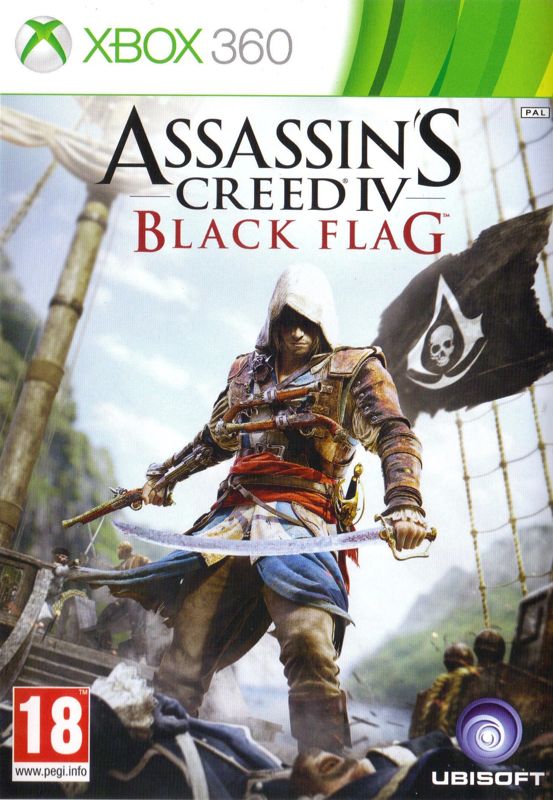

Retro Replay Review
Gameplay
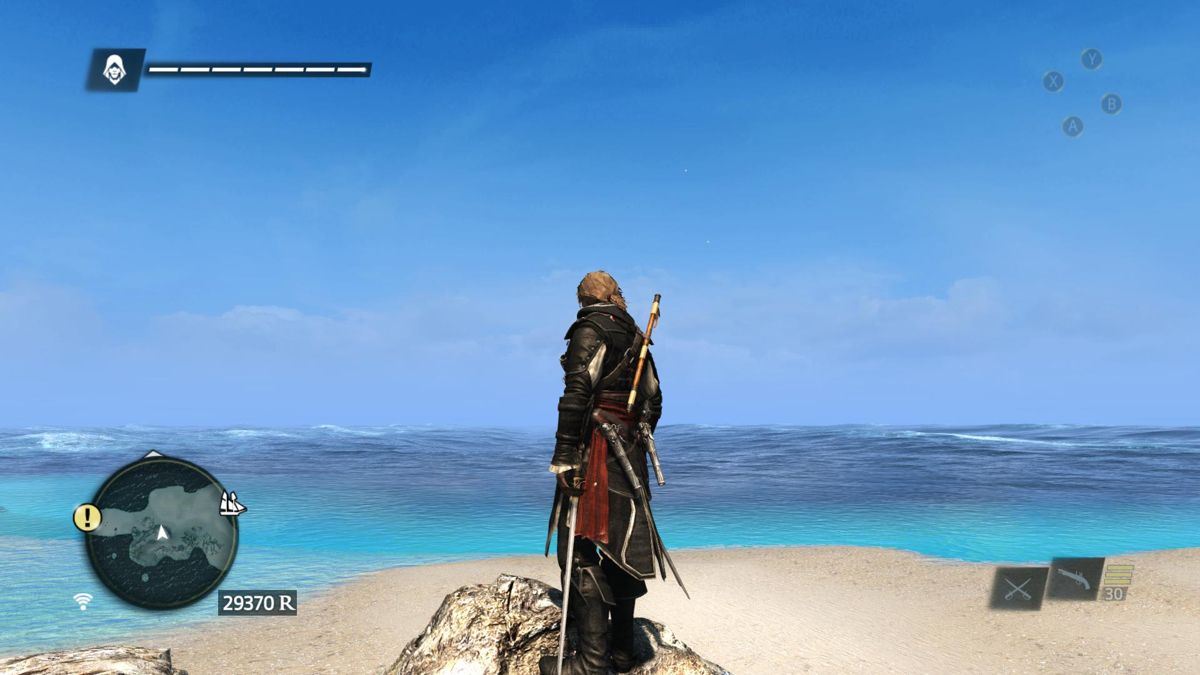
The first few hours make a smart promise: Edward Kenway is not a ready-made hero, but a Welsh privateer chasing profit, and the game lets that selfish momentum shape the way you play. Before long, the Jackdaw becomes the real center of your adventure. Sailing out over the Caribbean, spotting land, deciding whether to head for a city, a smaller settlement, or an empty island, then moving from ship to swimming to solid ground without a loading interruption is still a terrific loop.
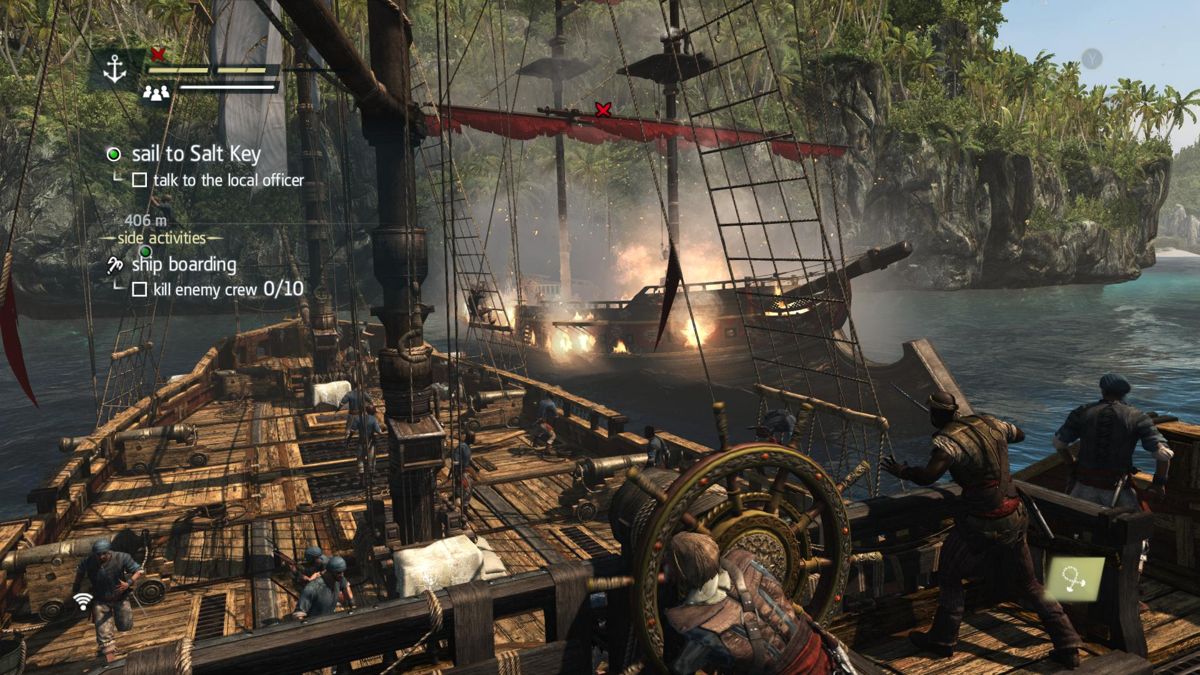
That seamless world matters because it makes curiosity useful. You can hunt animals, fish, chase treasure maps, recruit crew, and find reasons to improve the Jackdaw beyond simply ticking off optional tasks. Ship upgrades feed directly into naval battles, so time spent roaming has a practical payoff when you meet trouble at sea. The game is at its strongest when you stop treating it like a string of missions and let an afternoon of sailing turn into its own adventure.
On land, this remains familiar Assassin’s Creed territory. Edward climbs buildings, slips through stealth encounters, manages weapons, and works through main and secondary missions using a combat system that is largely unchanged from earlier entries. If that foundation already felt stale to you, Black Flag will not suddenly make every fistfight compelling. Its pirate side carries the older formula farther than it might otherwise go, but the mission-based structure and collectibles can still turn exploration into obligation if you chase everything.
Give it a chance if you want an action game where the journey between objectives is often better than the objective itself. The best practical advice is simple: do not rush the main path. Upgrade the Jackdaw as you go, take detours, and let the sea activities break up the land-based missions. That is where Black Flag earns its reputation.
Graphics
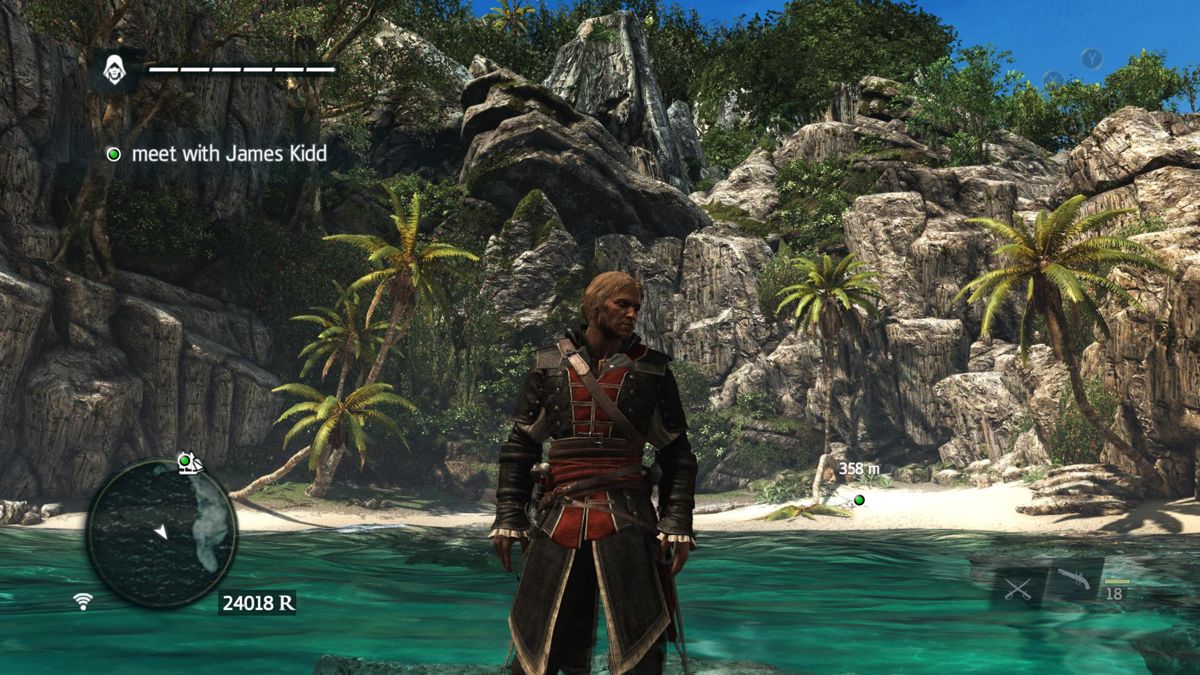
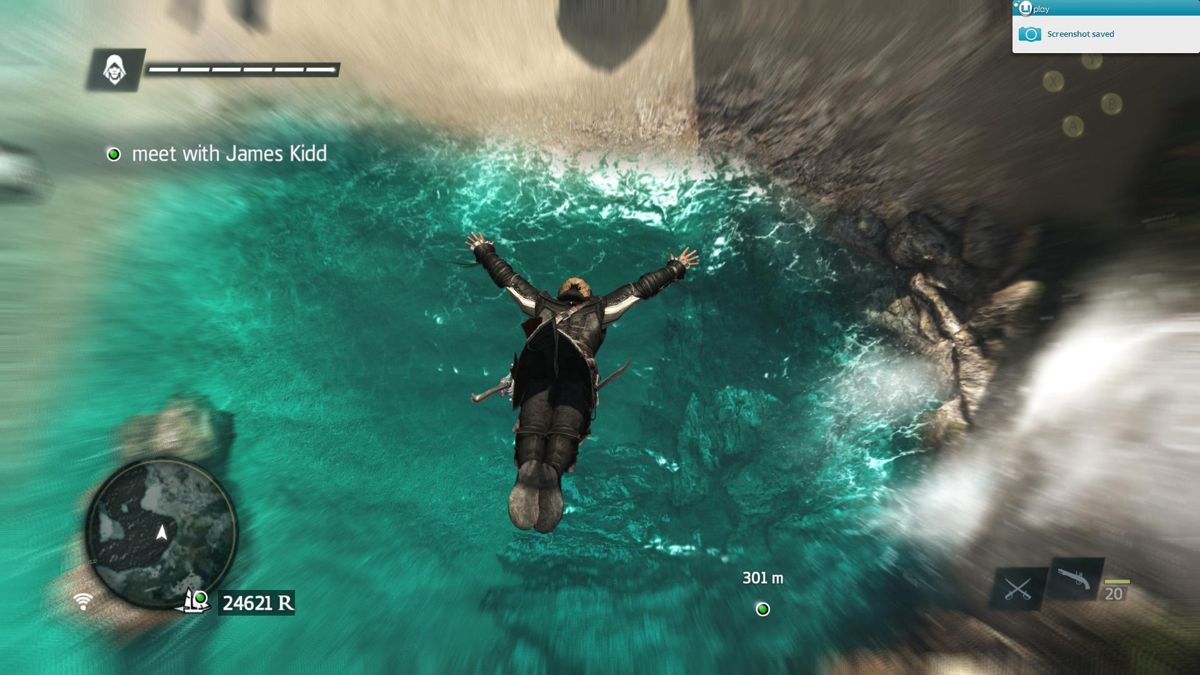
The behind-the-back viewpoint puts Edward close to the action whether he is scrambling up city buildings or standing aboard the Jackdaw. Havana, Kingston, Nassau, smaller settlements, and uninhabited islands give the Caribbean plenty of different places to sail toward, rather than making every stop feel like the same port with a new label.
Story
Edward’s greed gives the story a sharper starting point than another instant oath-bound Assassin would have. He assumes the identity of a rogue Assassin tied to Laureano Torres, Cuba’s governor and the Templars’ Grand Master, then gets caught between groups pursuing the Sage and the secret technology of the First Civilization. The result is a pirate story with a conspiratorial Assassin’s Creed spine, rather than a clean break from the series.
The modern-day framing also continues the larger thread from Assassin’s Creed III: Abstergo Industries, a Templar front, hires an unnamed worker at its Montreal entertainment subsidiary to relive Edward’s life. That material will land better if you are invested in the ongoing series mythology. If you only want Edward’s Caribbean adventure, it can feel like an interruption around the more immediate pleasures of ships, cities, and treasure hunting.
There is a worthwhile tension in watching a man driven by money collide with the competing aims of Assassins and Templars. Black Flag does not need you to arrive with deep series homework to understand Edward’s immediate predicament, though familiarity with earlier games helps the wider conflict carry more weight. If you want to revisit an earlier cornerstone of that lineage, Assassin’s Creed II (Black Edition) remains a useful companion.
Overall Experience
Black Flag is the rare series entry whose side activities feel like the main reason you showed up. It takes the established climbing, stealth, combat, and mission framework and gives it a larger, more inviting Caribbean to breathe in. The Jackdaw is not merely transport; it turns movement, upgrades, combat, and exploration into one connected routine that keeps pulling you out for one more destination.
Frustration sets in when the inherited Assassin’s Creed pieces demand attention without matching the excitement of open-water discovery. The combat changes little, and completion-minded play can make the collection work feel busy. But the core voyage is strong enough that these rough edges rarely define the whole trip.
For you, the deciding question is whether pirate fantasy sounds better with rooftop climbing and a long-running sci-fi conspiracy attached. If yes, this is an easy recommendation and a genuinely rewarding place to spend dozens of unhurried hours. For more on the game itself, the archived official Assassin’s Creed IV: Black Flag page captures its original release framing.





Reviews
There are no reviews yet.