 Retro Replay Retro Gaming History, Reviews & Emulation
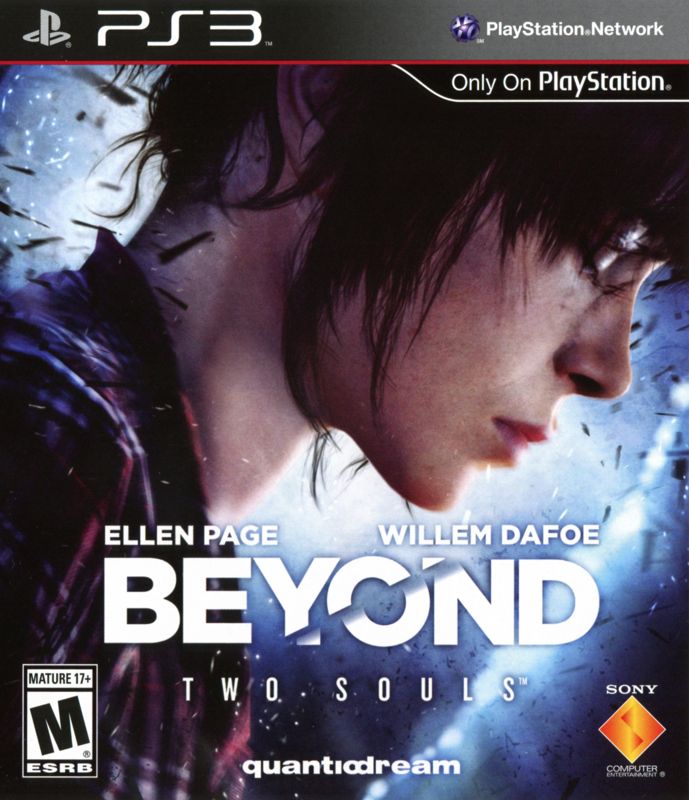


Retro Replay Review
Gameplay
The first hour of Beyond: Two Souls asks you to meet it on its own terms. You are not dropped into a cleanly escalating campaign with a single role and a clear objective; instead, you jump through different points in Jodie’s life, sometimes as a child, sometimes in far more dangerous circumstances. That structure can feel disorienting, but it also gives the game a strong immediate pull. You want to know why Jodie has been handled like a subject rather than a person, and what her inseparable connection to Aiden will cost her.
Playing Jodie is a familiar cinematic-adventure rhythm of walking around, examining the space, speaking with people, and responding when trouble arrives. The action leans on quick-time events, so success is more about staying engaged with the scene than mastering intricate combat. If you enjoy interactive drama, that can be exactly the point: you are making Jodie’s reactions and decisions feel like your own. If you want tight, expressive action mechanics, though, the QTE-heavy fights may leave you feeling more like a participant in a scene than its author.
Aiden is the part that gives Beyond its distinct flavor. At any time you can switch away from Jodie and float within a limited range around her, using the entity’s otherworldly access to inspect situations, disturb objects, and later possess or kill certain people. It is a smart contrast. Jodie is constrained by bodies, rooms, and social pressure; Aiden can reach through those limits, but cannot simply leave her behind. The two perspectives make even a quiet location worth checking from both angles.
Your choices can affect the story in small or major ways and lead to several endings, which gives repeat play value to scenes that may otherwise feel guided. Still, this is not the kind of branching game where every moment becomes a strategy puzzle. Its decisions work best when you treat them as character choices—how you want Jodie to behave, who you want her to trust, and how hard she should fight for control over her own life.
Graphics
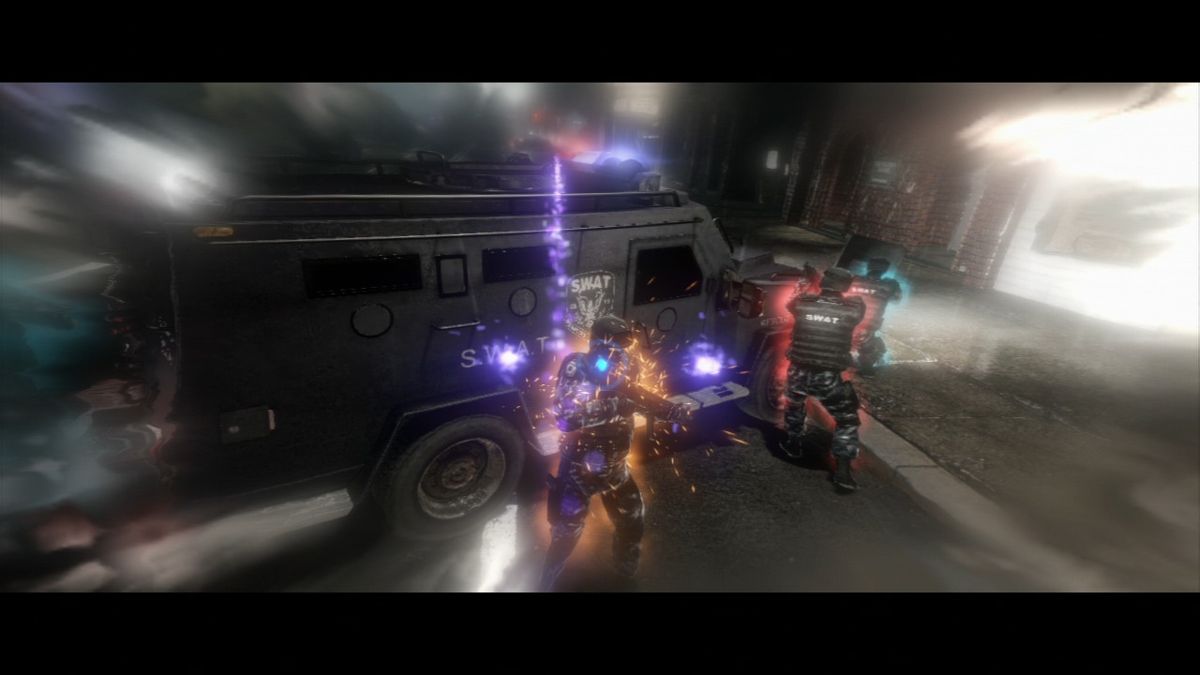
Beyond: Two Souls is built around cinematic camera work, shifting between Jodie’s grounded scenes and Aiden’s freer first-person-like view. That contrast is useful as well as dramatic: Jodie’s viewpoint keeps you close to her immediate problems, while Aiden’s floating perspective lets you search the nearby space from a completely different angle.

Story
Jodie’s story carries the game. She has spent her life bound to Aiden, an entity she can neither fully command nor separate from, and that condition has made her an object of study and control since childhood. Beyond keeps returning to the human side of that premise: what does it do to someone when every institution around her sees her extraordinary ability before it sees her?
The non-linear chapter order is both the game’s biggest storytelling gamble and a source of early friction. You may land in a period of Jodie’s life without all the context you want, then be pulled elsewhere before the previous scene has fully settled. Stick with it. The jumps gradually make Jodie feel less like a sci-fi concept and more like a person whose history has been shaped by fear, exploitation, and the wish to be left alone.
The CIA training and espionage material broadens the stakes, but the stronger thread is Jodie resisting the role others have assigned her. The central question is not merely what Aiden can do; it is whether Jodie can stop being used as somebody else’s tool. That gives the choices a worthwhile emotional center, especially when the story asks you to decide what kind of independence she is willing to pursue.
Overall Experience
Beyond: Two Souls is easy to recommend to you if you liked Heavy Rain’s commitment to interactive drama and can accept another game that puts story, performance, and decision-making ahead of mechanical depth. Its supernatural companion is more than a gimmick, because swapping to Aiden changes how you approach conversations, spaces, and danger. The game is at its best when that bond feels helpful, invasive, and inseparable all at once.
There will be moments when the jumping timeline and quick-time-event action test your patience. The game asks you to surrender to its pacing rather than letting you drive it through complex systems. Yet that same focused structure lets it keep attention on Jodie, whose life is shown in fragments precisely because she has rarely been allowed to define it in a straightforward way.
At 7.3, this is a good but uneven cinematic adventure rather than an all-purpose action recommendation. Give it a chance if you want a choice-driven sci-fi story with a strong central relationship and do not mind guided gameplay. For background on its release and development context, the Beyond: Two Souls history is a useful companion after you finish.


Reviews
There are no reviews yet.