 Retro Replay Retro Gaming History, Reviews & Emulation
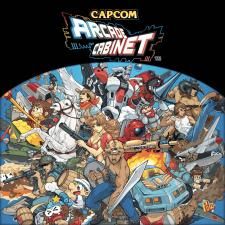
Retro Replay Review
Gameplay
The first hour can feel less like settling into one game and more like walking along an arcade row with a pocketful of coins. 1943: The Battle of Midway offers immediate shoot-’em-up pressure, Black Tiger brings a different kind of action challenge, and Avengers rounds out the Xbox 360 starter selection. On PS3, Black Tiger gets the spotlight at the start. That platform split matters: the same cabinet idea feels like a more complete opening package on Xbox 360, while PS3 asks you to decide early whether you want to invest.
What makes this more than a nostalgia vending machine is the room to practice. Adjustable lives and difficulty let you ease into games built to punish mistakes, while the infinite-lives training mode is the feature that can turn frustration into understanding. Instead of burning through a short stack of attempts and quitting, you can work on the rough spots until the old-school rhythm starts to click. That is especially valuable for arcade games whose demands can initially feel abrupt by modern standards.
Leaderboards give score-chasing a reason to matter beyond your own memory of a good run, and supported games can be played with others either locally or online. Choosing Japanese or international versions is also a welcome touch for anyone curious about how these releases differed. The cabinet’s weakest gameplay-side decision is its fragmented store structure: most titles can be bought individually, but the packs make the collection feel like a series of transactions before it feels like a finished library. If you already know you want the 1987 selection, the related Capcom Arcade Cabinet: 1987 Pack is the more useful way to think about that portion of the lineup.
Graphics
You are looking at arcade games from 1984 through 1988, so the draw is crisp pixel-era artwork rather than modern polish. The cabinet gathers shooters, action games, and their distinct character and enemy sprites under one interface, making the shifts in Capcom’s early arcade output easy to appreciate from game to game.
The soundtrack access is a nice companion for anyone who enjoys these old arcade sounds outside a run, while video recording on PS3 and screenshot sharing on Xbox 360 let you preserve a high-score moment or a favorite scene.
Story
There is no single campaign or new narrative tying the cabinet together. This is a collection built around separate arcade games, not a crossover story, and it is better for you to treat each title as its own short-form challenge.
That makes story a minor part of the purchase decision. You move from one game’s premise to another rather than follow a thread through the hub, so the momentum comes from variety: trying a different era of Capcom, a different genre, or another attempt at a game that just knocked you down.
The cabinet itself does supply a small sense of historical progression, simply by collecting titles from a compact 1984–1988 span and including some console debuts. For release and historical background, the Capcom Arcade Cabinet history is a useful companion, but the real context comes from playing these games long enough to feel how demanding arcade design could be.
Overall Experience
Capcom Arcade Cabinet is at its best when you stop treating it as a menu of curiosities and pick one game to genuinely learn. The training option, adjustable rules, and leaderboards soften the harshest edge of authentic arcade difficulty without removing the satisfaction of earning a better run. You can dip in casually, but persistent score chasers will get more from it.
The packaging is the main annoyance. The free PS3 hub, the differently stocked Xbox 360 release, individual purchases, game packs, trials, and unlockable extra games make ownership harder to parse than it needs to be. Buying every pack eventually adds 1943 Kai and Vulgus, and the All-in-One Pack also covers them, so the cleanest route is the broadest one rather than trying to assemble the library title by title.
As a collection, though, it earns its place. This is not the one to choose if you only want a frictionless all-in-one arcade anthology, but it is an excellent fit if you enjoy repetition, scoring, and watching your own skill improve under pressure. The hub structure is dated even by digital-compilation standards; the games and the thoughtful practice tools are the reason to stay.


Reviews
There are no reviews yet.