 Retro Replay Retro Gaming History, Reviews & Emulation


Retro Replay Review
Gameplay
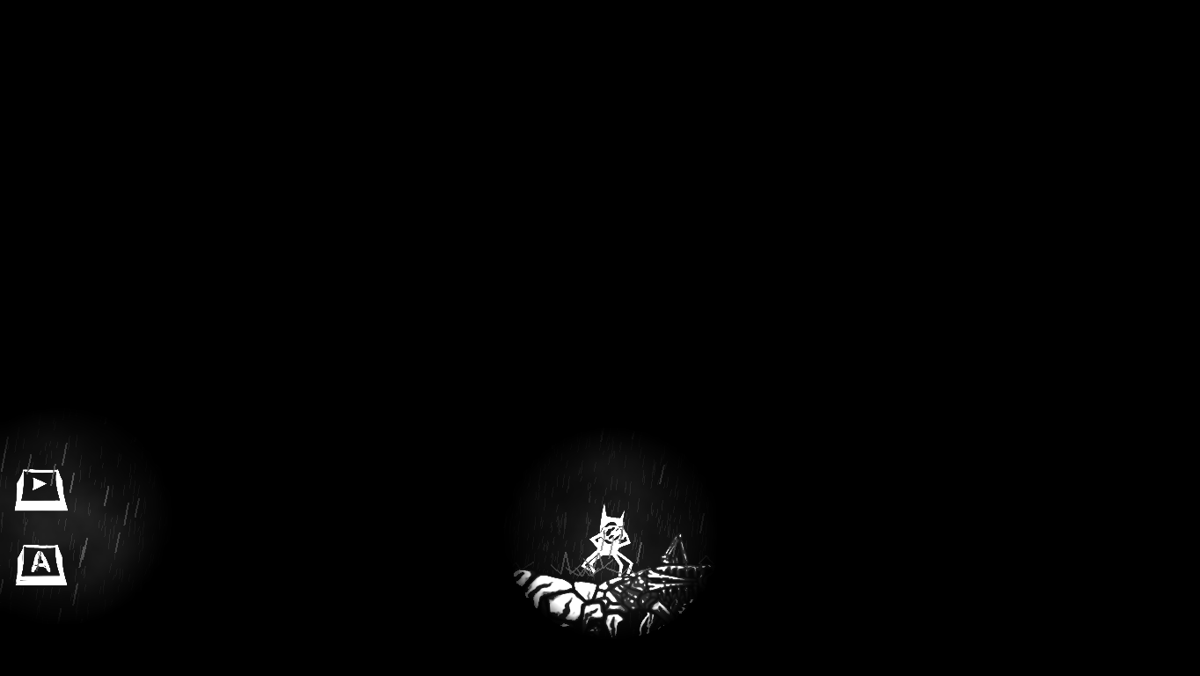
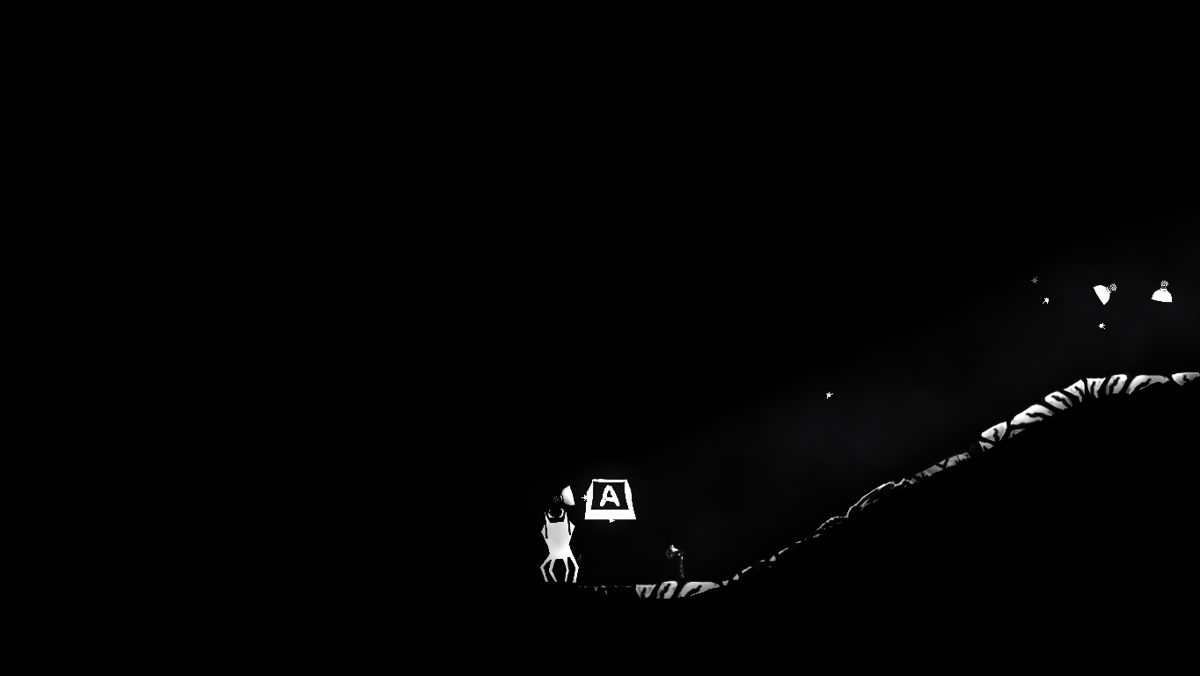
The first few rooms of Closure feel almost mischievous. You see a door, a gap, and a glowing orb, then discover that the gap only exists as long as light defines it. Picking up an orb and walking with it makes you rethink every ledge as temporary ground. Let the light leave the floor beneath you and you fall, often taking objects with you. It is a simple rule, but it creates the kind of immediate puzzle-platforming tension that makes you stop treating movement as routine.
After the tutorial sets teach that central trick, Closure earns its length by finding fresh ways to complicate it. You will use keys and doors, manipulate partially lit walls, work around lights moving along fixed paths, and later contend with water, rolling objects, repositionable lights, ice that refracts light, and sources that can illuminate other sources. The important thing is that these are not random additions pasted onto a good opening gimmick: they all ask you to track what is currently real, what will vanish, and where your light needs to be next.
That said, the punishment is severe in a very old-school way. A fall restarts the full level, rather than returning you to the last promising step, so a careless misread near the end can be frustrating. Unlimited attempts soften the blow, and the individual rooms are designed around focused ideas rather than huge endurance runs. Still, you need to enjoy resetting, reassessing, and executing a solution cleanly. The roughly 100 levels offer plenty to chew on, while the 30 hidden silver moths give thorough solvers an extra reason to inspect each space.
Graphics
Closure’s black-and-white world puts the light mechanic right in front of your eyes. Darkness swallows most of a room, while glowing orbs and illuminated surfaces carve out the platforms you can trust. The four-legged protagonist is a striking replacement for a standard human platform hero, and the carnival, forest, factory, and overworld backgrounds add welcome texture around the stark puzzle spaces.
Story
Closure is not built around a heavily explained plot; its momentum comes from moving through a strange sequence of places and learning what each new environment does to the rules of light. That restraint suits the game. You are rarely waiting for narrative exposition before getting back to the next knotty room.
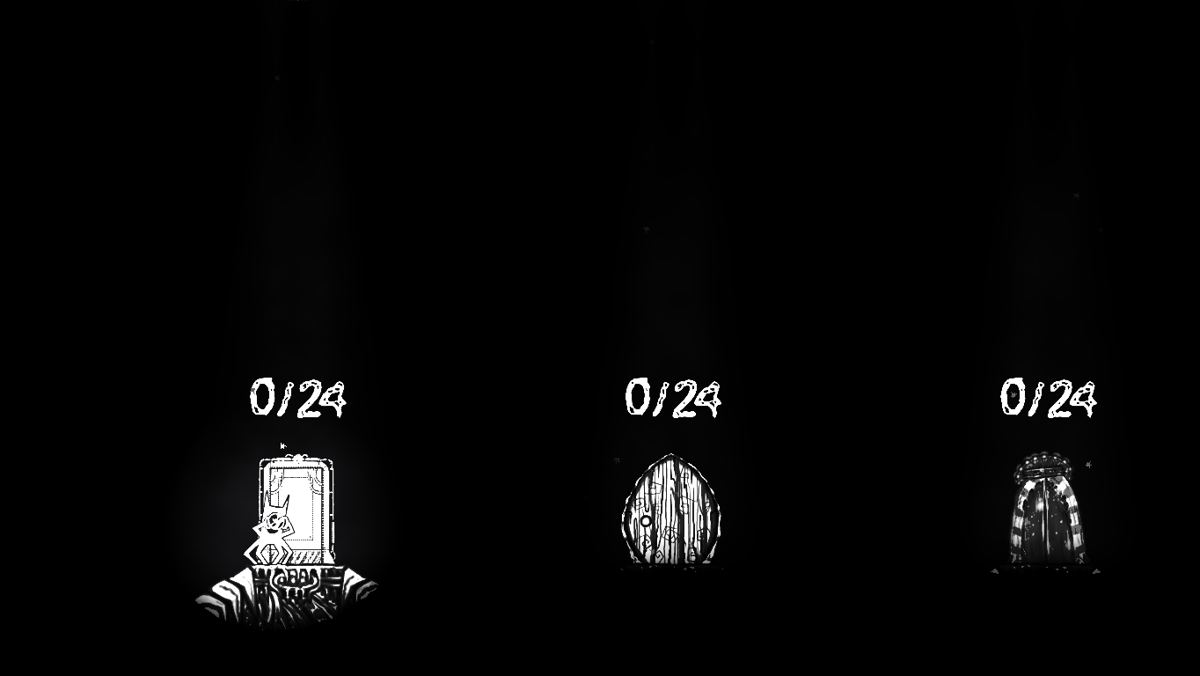
The masks provide the clearest thread of progression. Completing the initial tutorial sets opens access to hubs of 24 levels, and masks transform the creature into figures including a factory worker, a little girl, and a woman. These shifts give the journey a sense of movement through different perspectives without interrupting the puzzle flow.
The varied locations do more than change the backdrop. A factory and a carnival naturally make the game feel less like a long string of abstract test chambers, even when the real focus remains the next door and the next lighting problem. If you want a story packed with explicit character drama, Closure will feel spare; if you like a mysterious frame that leaves room for the puzzles to do the talking, it fits.
Overall Experience
Closure remains compelling because it takes one memorable thought—light creates solid ground—and is disciplined enough to explore it deeply. The best solutions arrive as a genuine mental flip: you stop asking how to cross a visible room and start asking which parts of that room you can afford to make exist. Few puzzle platformers make their core rule feel so physical.
Its rough edge is the restart structure. When you understand a solution but fumble an orb placement or step into darkness, repeating the whole room can turn satisfying experimentation into irritation. The payoff is usually worth it because the rooms are built around compact, legible challenges, but this is a game for patience rather than casual forward momentum.
Give Closure a chance if you enjoy puzzle games that demand observation, planning, and a willingness to fail several times before a route clicks. The detailed scenery and full soundtrack give the reworked version more atmosphere than a bare browser puzzle, but the real reason to play is that superb central illusion. At its best, it makes a patch of light on the ground feel more valuable than a whole map.


Reviews
There are no reviews yet.