 Retro Replay Retro Gaming History, Reviews & Emulation
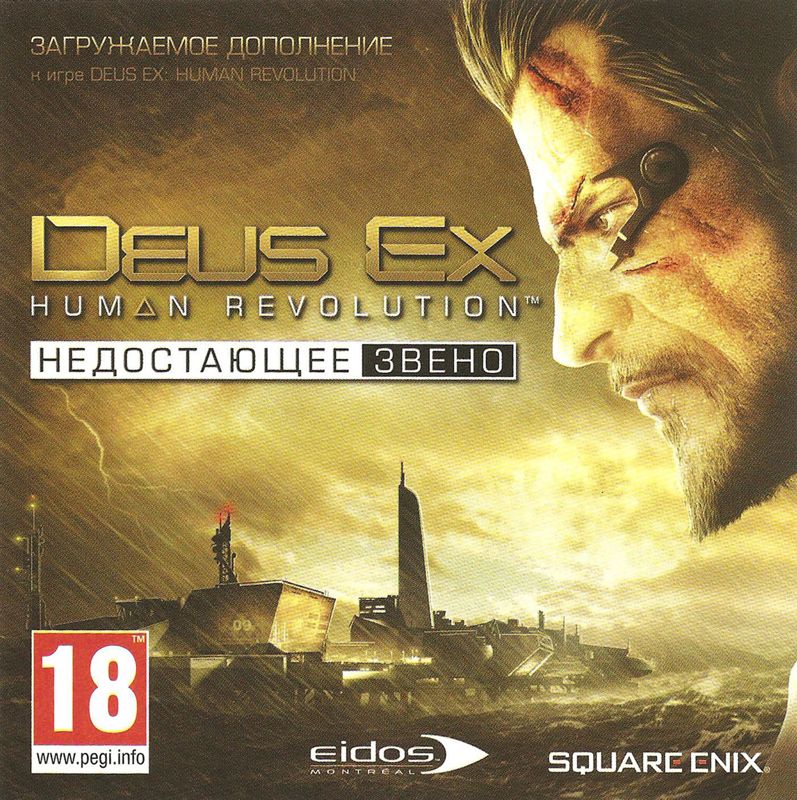


Retro Replay Review
Gameplay
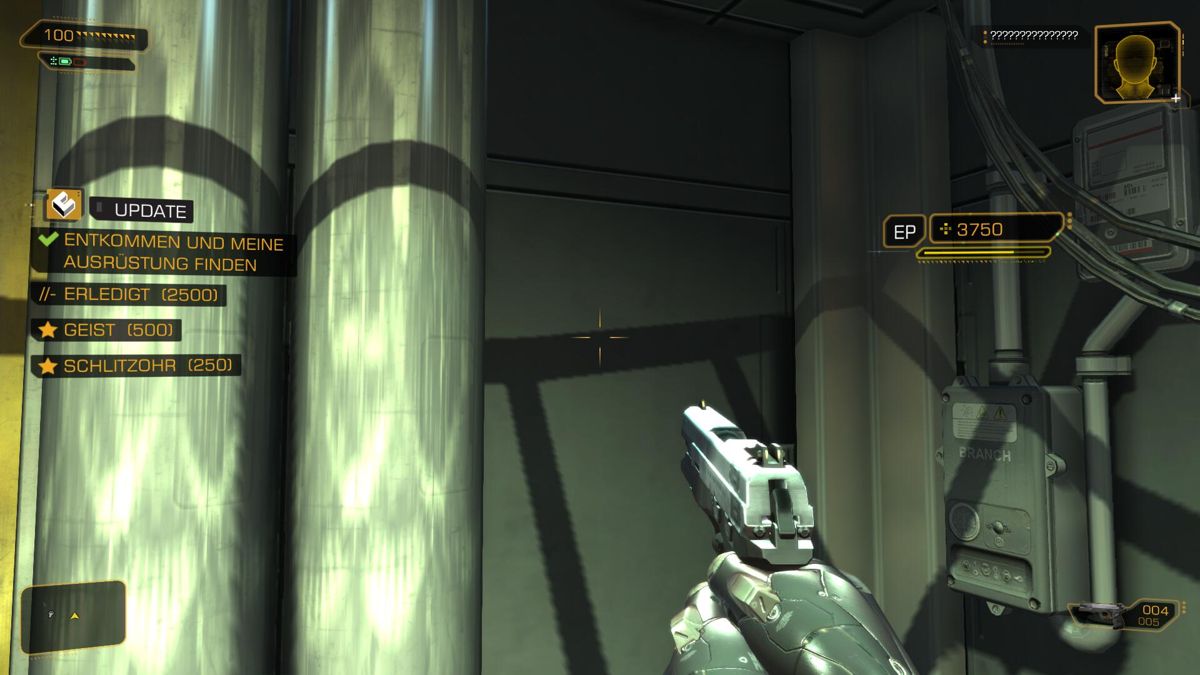
The first hour has a strong hook because Jensen begins captured, without his accumulated equipment and with nearly all of his augmentations shut down. That reset can feel harsh if you arrived proud of a carefully tuned build, but it quickly restores the cautious problem-solving that makes Deus Ex work. You are not simply coasting on a late-game toolkit; you are rebuilding your options under pressure.
The core play and level design remain close to Human Revolution, so this is not a reinvention. Instead, it concentrates the familiar sneaking, non-lethal possibilities, and route-planning into four differently themed areas tackled in a fixed order. The largest is roughly the size of a standard non-hub area from the main game, which makes this feel like a focused mission rather than a second campaign.
That focus is both its strength and its limitation. A few side quests give you reasons to poke around, but the overall route is linear, and the backtracking near the end can make the momentum sag. Still, the DLC is noticeably more attentive to how you play: non-player characters more often react to your style, a welcome touch when you have committed to stealth or restraint.
Most importantly, the boss battle addresses one of Human Revolution’s sore points. The fight happens in a wide room and permits stealthy, non-lethal solutions instead of forcing every build into the same blunt confrontation. It is the kind of correction that makes you wish the original game had been this flexible from the start.
Graphics
The action stays aboard and around the Belltower ship before moving through four differently themed locations. The changing areas help the short episode avoid feeling like one long stretch of the same facility, even as the linear progression keeps you moving forward.

Story
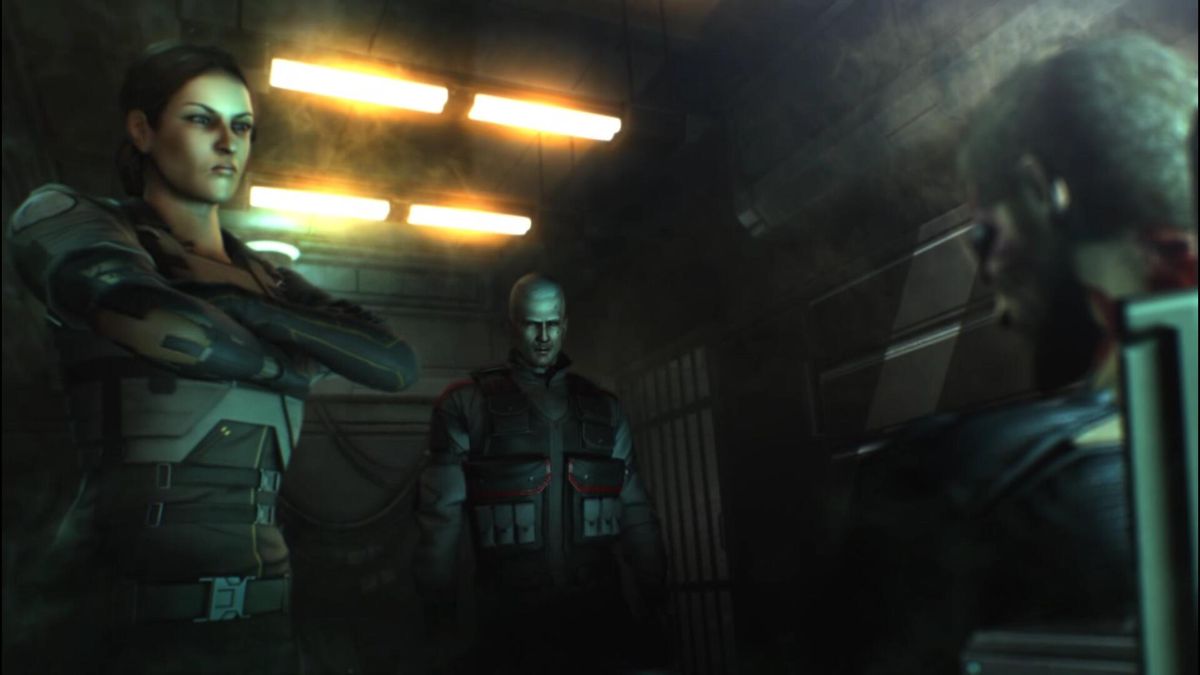
This chapter fills the three-day gap after the China events, when Jensen stows away on a ship. He wakes as a captive, about to be tortured, then receives help from a mysterious hacker and starts pulling at the conspiracies surrounding him. It has a clean, urgent setup and gives the missing stretch of the story a purpose beyond mere chronology.
The awkward part is where it lives. Although it takes place in the middle of Human Revolution, you must launch it separately; a normal campaign playthrough still skips over it. That separation makes the episode feel more like a deliberately preserved side mission than a natural chapter break, especially if you wanted the main story to flow uninterrupted.
Even so, the premise suits a self-contained DLC well. Jensen’s capture explains the equipment reset, while the confined conspiracy gives the mission a clear reason to exist. For background on the release and its place in the series, the game’s history is useful; in play, the important thing is that this is a bridge chapter with enough tension to stand on its own.
Overall Experience
The Missing Link is a good DLC because it understands a real frustration in the base game and fixes it where it counts. The more accommodating boss design is not a small footnote: it respects the choices you made about how Jensen operates, rather than treating stealth and non-lethal play as disposable the moment a major fight begins.
The forced reset and separate launcher prevent it from feeling essential in the smoothest possible sense. You will spend time regaining capability, follow a linear sequence of areas, and eventually retrace ground. If what you wanted was a huge new hub or a continuation woven directly into the campaign, this will feel constrained.
But for anyone who wants another concentrated dose of Human Revolution’s methodical problem-solving, the payoff is worth the detour. It is a solid 7.5-level expansion: not transformative, occasionally restrictive, yet sharper than it needs to be in the places that matter. If you are revisiting related add-ons, the Tactical Enhancement Pack is also part of the Human Revolution orbit.

Reviews
There are no reviews yet.