 Retro Replay Retro Gaming History, Reviews & Emulation


Retro Replay Review
Gameplay
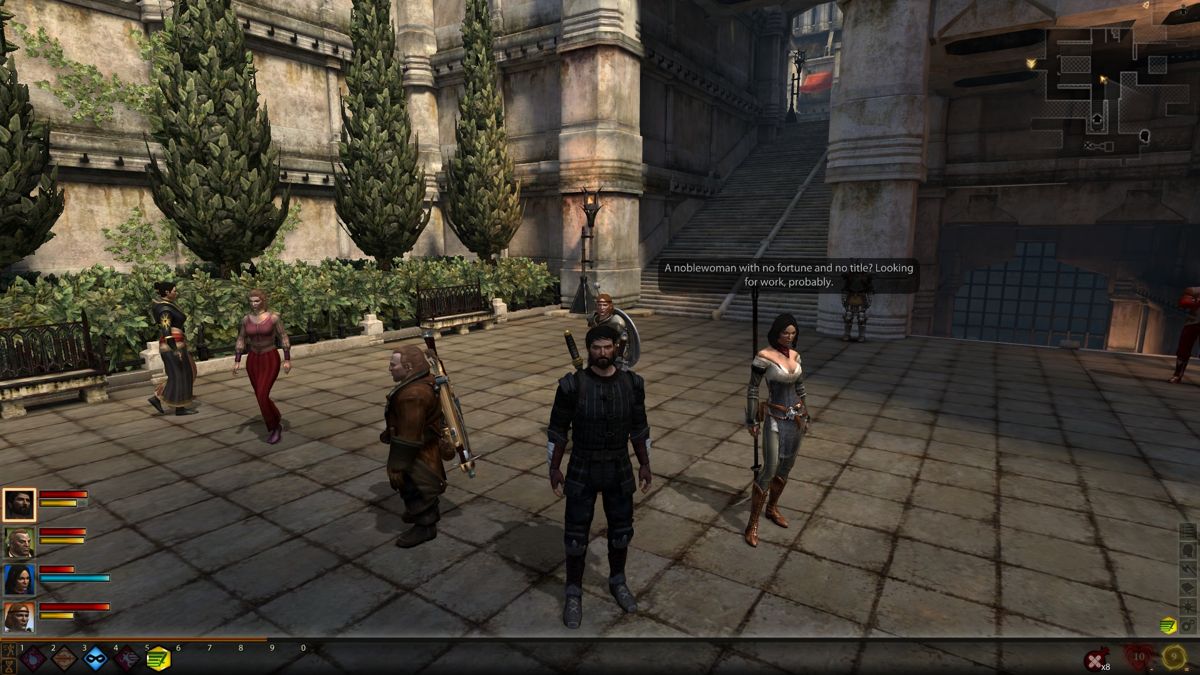
Dragon Age II starts with a pleasingly scrappy energy. You are not dropped into a grand campaign as an all-important figure; you are trying to build a life in Kirkwall as Hawke, a Ferelden refugee whose prospects are far from secure. That makes early decisions feel tied to survival and ambition rather than simple heroics, and it gives the role-playing a directness that is easy to latch onto.
Combat keeps the party-based foundation of Dragon Age: Origins but moves at a noticeably quicker pace. Hawke fights alongside up to three companions, and you can either take manual command of the group or set conditional tactics, such as telling someone to heal an ally once their health falls low. The latter is where the game starts to click: spending time shaping your party’s responses lets you concentrate on the big decisions in a fight without abandoning tactical control altogether.
Your choice of warrior, mage, or rogue matters because abilities are organized into disciplines and expanded through leveling. The system is familiar rather than radical, but it has enough room for you to develop a preferred fighting style. If you enjoyed directing a party in Origins but found its pace heavy, Dragon Age II’s quicker rhythm is a real improvement. If deliberate, highly granular combat was the entire reason you loved the earlier game, the speed-up may feel like a compromise.
The companion system is one of the game’s smartest ideas. Instead of treating disagreement as an automatic failure state, it lets relationships grow through friendship or rivalry. A rival still stands with Hawke, but the relationship carries real friction; both directions also bring rewards, with rivalry often favoring combat benefits and friendship tending to help Hawke or the broader party. That makes it easier to role-play a consistent Hawke instead of constantly guessing which answer will keep everyone happy.

Graphics
The game uses a behind-the-back viewpoint for its fantasy action, keeping Hawke and the active party close to the center of the action. Character appearance is customizable for Hawke, while the four-person group setup makes companions a constant part of what you are looking at during exploration and battles.
Story
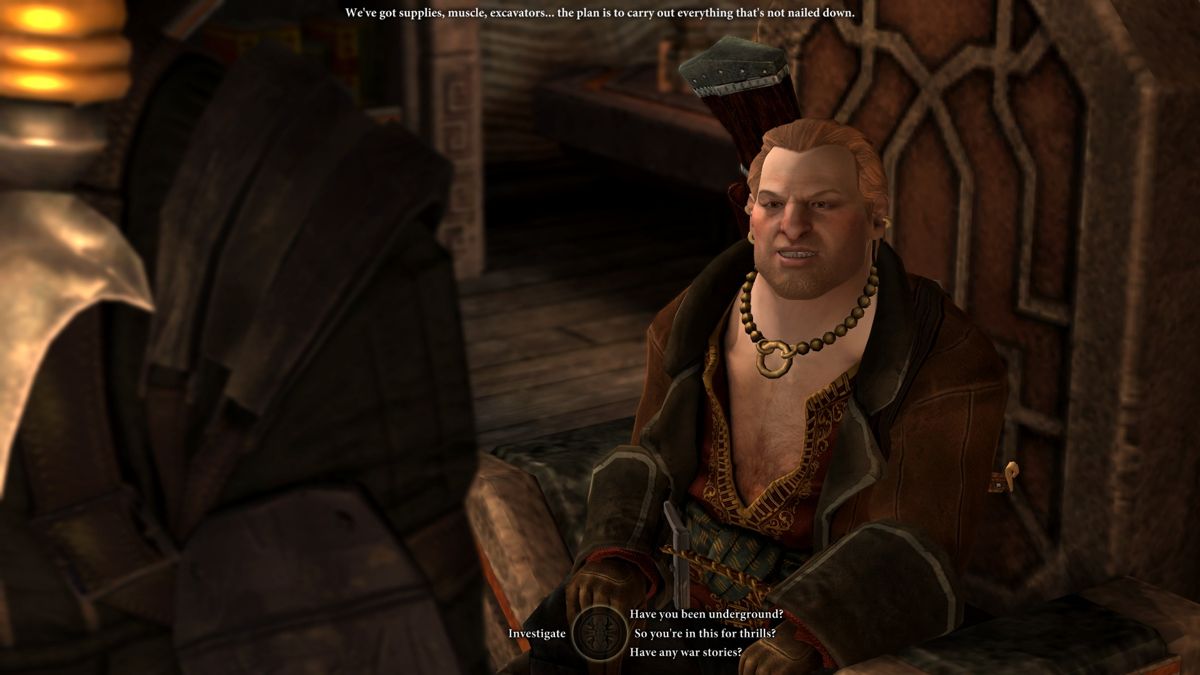
Kirkwall is the heart of Dragon Age II, and concentrating the story there gives its conflicts more pressure. Hawke’s family arrives alongside other Ferelden refugees, only to meet a city suspicious of newcomers. Financial insecurity, social resentment, and family concerns make the opening feel more immediate than a generic save-the-world setup.
From there, the story grows around competing forces rather than a single clean villain. The Qunari’s arrival raises the temperature, while the worsening divide between Templars and mages puts Hawke in the middle of political and social struggles that do not promise easy answers. You are asked to decide what kind of person Hawke is within those tensions, not merely which quest marker to follow.
The framed-narrative structure, told a decade later by one of Hawke’s companions, is a good match for a story about choices and consequences. Dialogue uses short, tone-based responses, so you choose Hawke’s attitude as well as a basic position. Major motivations and events can shift with moral decisions, which gives a replay or a committed character role a stronger point than simply chasing an ideal outcome.
Overall Experience
Dragon Age II is at its best when you stop judging every decision by whether it will produce universal approval. Pick a Hawke with a point of view, let companions push back, and allow friendships or rivalries to emerge from that. The game is built to reward that kind of commitment, and its most memorable tension comes from standing between groups whose interests cannot all be reconciled.
There is a clear trade-off in the sequel’s direction. This is a more concentrated RPG than Origins, centered on Hawke’s decade-spanning life in Kirkwall rather than a broad fantasy journey. That tighter focus gives the story a useful sense of continuity, but it will not satisfy you in quite the same way if your favorite part of the first game was moving across a larger world with a more expansive tactical pace.
For most RPG fans, the payoff is worth it. The combat is more immediate, the party tactics still invite planning, and the companion relationships are unusually willing to let conflict become meaningful rather than punitive. Dragon Age II earns its place as a strong, imperfect sequel: less sweeping than its predecessor, but more willing to make one city’s troubles and one hero’s choices feel personal.
Reviews
There are no reviews yet.