 Retro Replay Retro Replay gaming reviews, news, emulation, geek stuff and more!
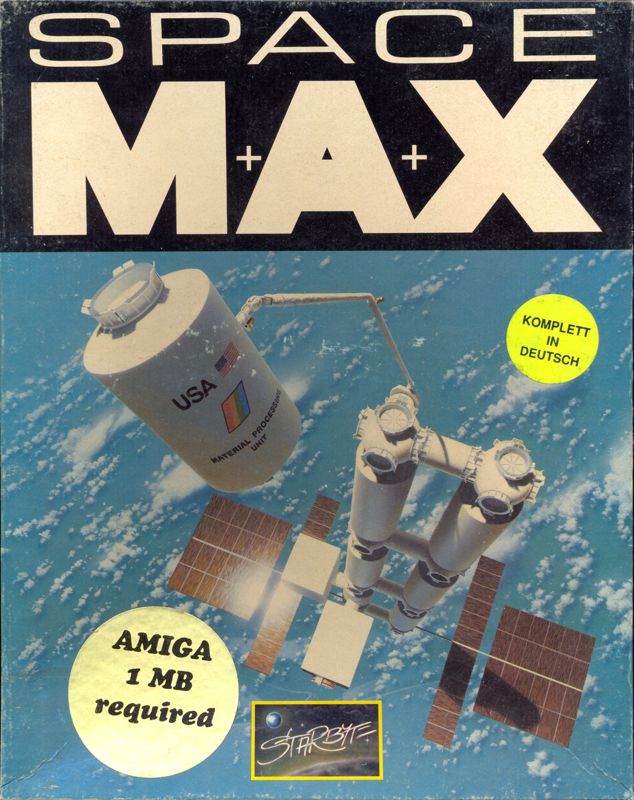



Retro Replay Review
Gameplay
The first stretch of Space M+A+X is less about boldly conquering space than avoiding an embarrassing logistical collapse. You need to send the right personnel and functional modules up to the station, but only four shuttles are available, and every trip consumes both time and money. That limitation gives even basic planning real tension. A bad transport decision is not just a small inefficiency; it can leave a crucial part of the station waiting while your budget keeps draining.
Most of your time is spent in menus, moving between screens full of information on crew, equipment, the station, and finances. That sounds dry, and it can be. The game asks you to read numbers carefully, recognize what is going wrong, and make a sensible response rather than handing you an easy visual shortcut. Once the relationships start to click, though, there is a solid management-game rhythm to diagnosing a problem, changing your plans, and watching the station move closer to stability.
The strongest part is the pressure to become financially independent. Building a station is only the opening problem; you also need it to generate commercial output, such as consumer goods, so the project can support itself. That turns module selection into a meaningful long-term decision. You are not simply filling slots: you are shaping what the station can do and whether it can survive its costs.
Frustration sets in when sick personnel or needed repairs interrupt an already tight plan. Space M+A+X is not interested in making administration feel breezy, and its menu-driven structure will test your patience if you prefer immediate, hands-on strategy. The module-assembly mini-game does at least break up the screen-reading routine, though it is the larger chain of planning and consequences that carries the game.
Graphics
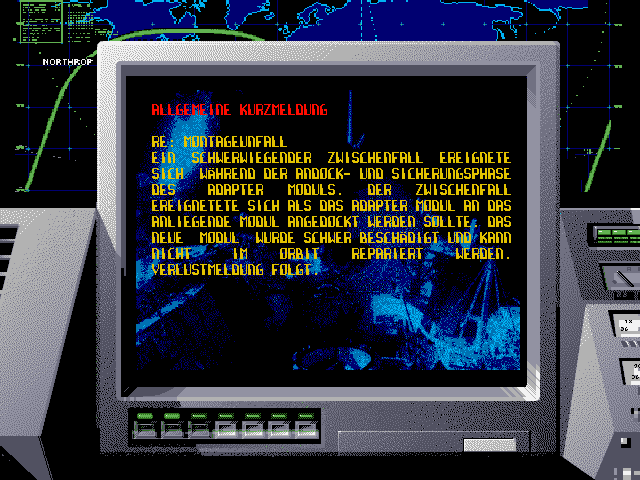
Space M+A+X is chiefly seen through its many management screens: crew, equipment, station, and budget information are where you will spend your time. The module-assembly mini-game provides a more active change of pace from the otherwise interface-led view of running the station.

Story
There is no character-led drama driving Space M+A+X. Its story is the one you create through management: a commercial station begins as a costly collection of personnel and modules, then either becomes an independent business or buckles under its own overhead.
That premise gives routine decisions a useful sense of stakes. Sending a shuttle, choosing modules, handling illness, and funding repairs all read as chapters in the same survival story, because every decision affects whether the station keeps operating.
It is a thin narrative framework, but it fits this kind of simulation. You are not here for plot turns; you are here for the gradual satisfaction of making an orbiting enterprise work when it has very little room for waste.
Overall Experience
Space M+A+X is a smart, stern management game that finds drama in constraints. Limited shuttle access, limited funds, limited time, and the eventual need to fund yourself make the station feel like a real business problem rather than a simple construction project.
It is easiest to recommend to patient strategy fans who enjoy studying reports and acting on what they find. If spreadsheets, budgets, and careful logistics sound like chores, the heavy menu focus will likely wear you down before the station begins to flourish.
For everyone else with a taste for deliberate old-school simulation, the payoff is worthwhile. There is genuine satisfaction in seeing a fragile setup become a functioning commercial operation, especially because the game makes you earn every improvement. For game history and release information, the Space M+A+X history page is useful context.


Reviews
There are no reviews yet.