 Retro Replay Retro Gaming History, Reviews & Emulation
Retro Replay Review
Gameplay
Dragon’s Crown starts with the kind of dungeon crawl that is easy to understand in minutes: choose a hero, walk into a side-scrolling stage, beat down crowds, and take the spoils back to town. Then the loop starts digging in. Experience and equipment accumulate, loot needs to be identified at Morgan’s Magic Item Shop before you know whether it is worth wearing, and new skills give your chosen class more room to grow. That steady sense of coming back slightly stronger is the reason to keep taking another quest.
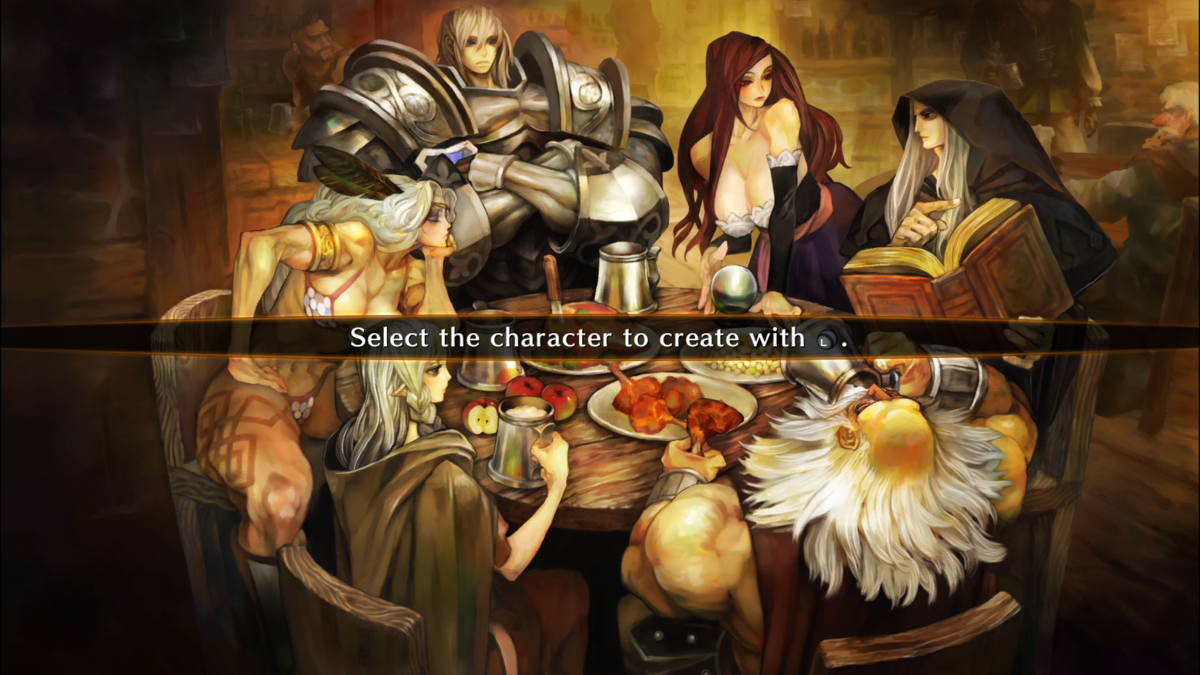
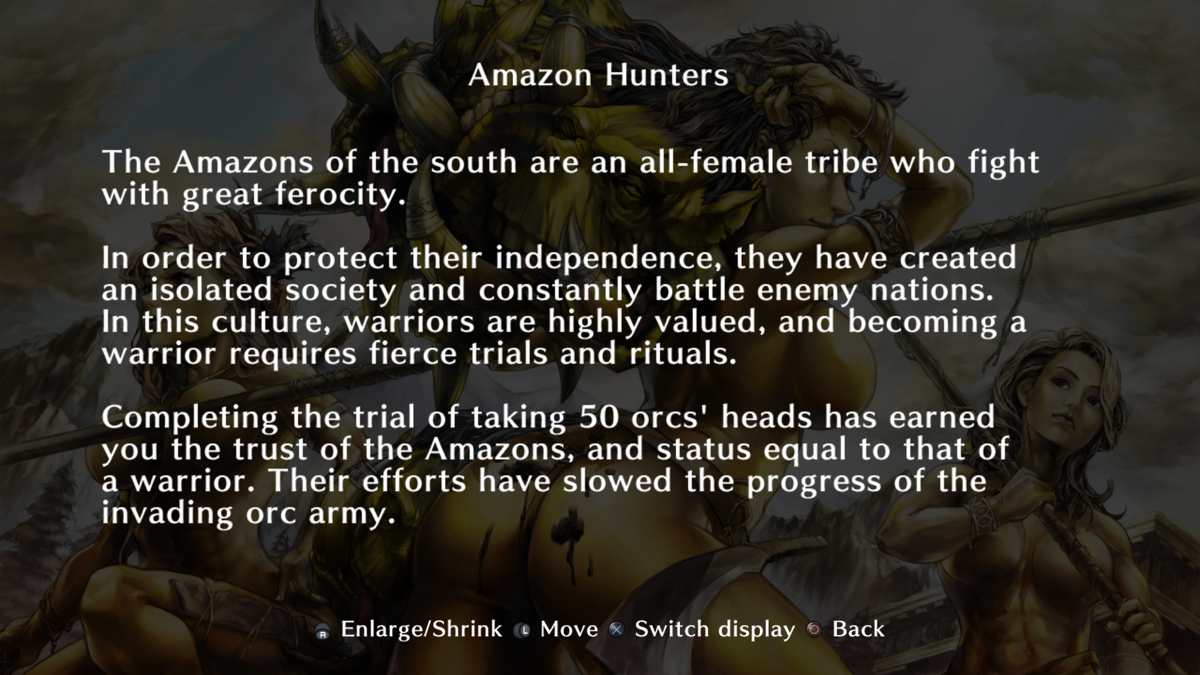
Your class choice matters far more than it does in many action RPGs. Amazon, Fighter, Elf, Dwarf, Wizard, and Sorceress each bring their own skills and equipment, so changing heroes is not just changing a character model. The Dwarf and Sorceress are explicitly less forgiving picks, making them better saved for when you understand the pace and want a greater challenge. If you want a straightforward first run, start with a class whose approach clicks immediately rather than treating the roster as interchangeable.
Parties are where the fighting gains its biggest lift. You can bring up to three companions controlled by AI or other people, online or offline, and the extra bodies make enemy-heavy stages feel like proper scrums instead of lonely corridor clearing. Rannie is a useful dungeon companion too, handling locked doors, chests, and hidden background items. The bone piles add a pleasant scavenger-hunt wrinkle: return fallen adventurers to the temple, resurrect them, and you can recruit those NPCs at the inn for later expeditions.
Frustration can set in once the campaign asks you to revisit completed dungeons for Adventurers Guild requests and, later, to redo talisman quests on harder difficulty levels. That structure is a firm statement of intent: Dragon’s Crown wants you to replay routes, refine a character, and pursue better rewards, not simply race toward a final boss. The payoff is meaningful if the combat, party play, and gear hunt have already hooked you; if they have not, the later repetition will feel like work.
Graphics
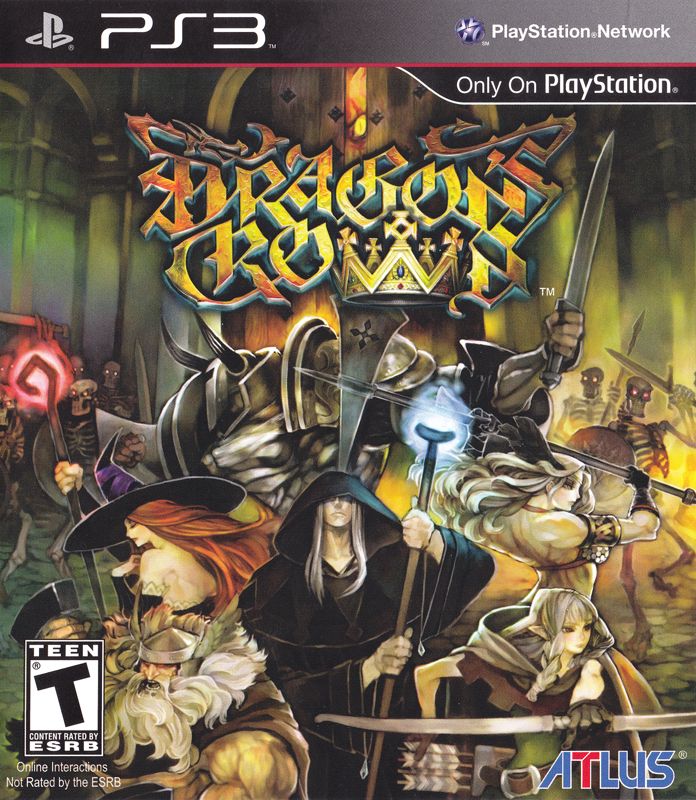
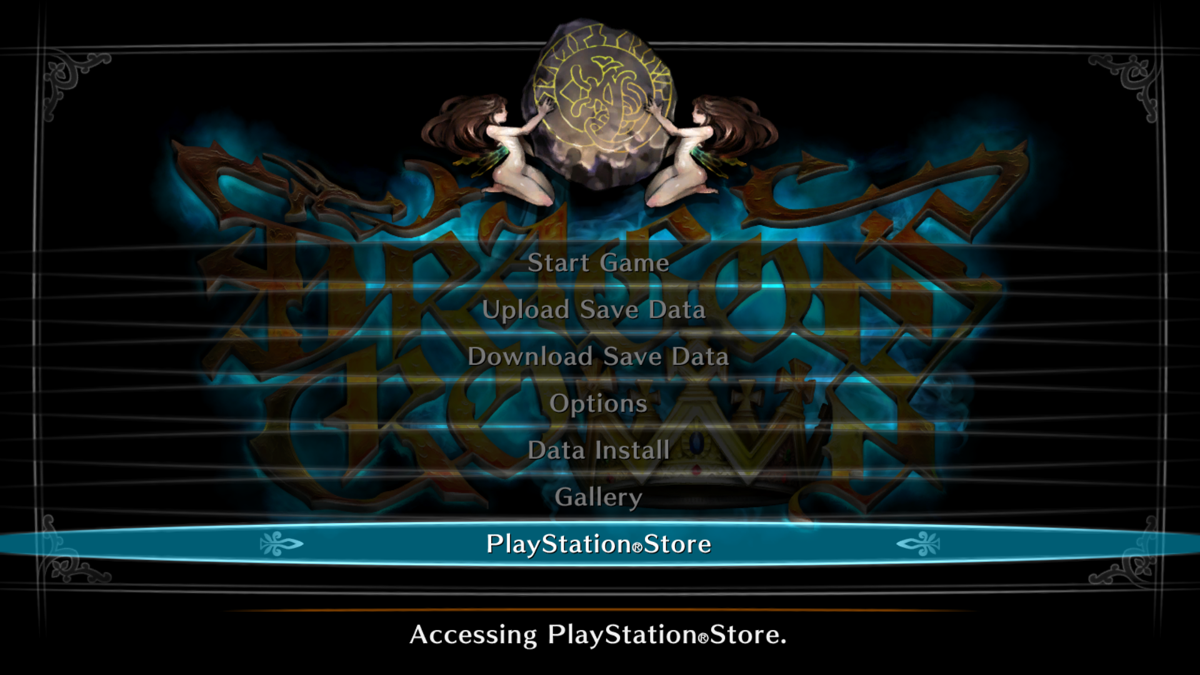
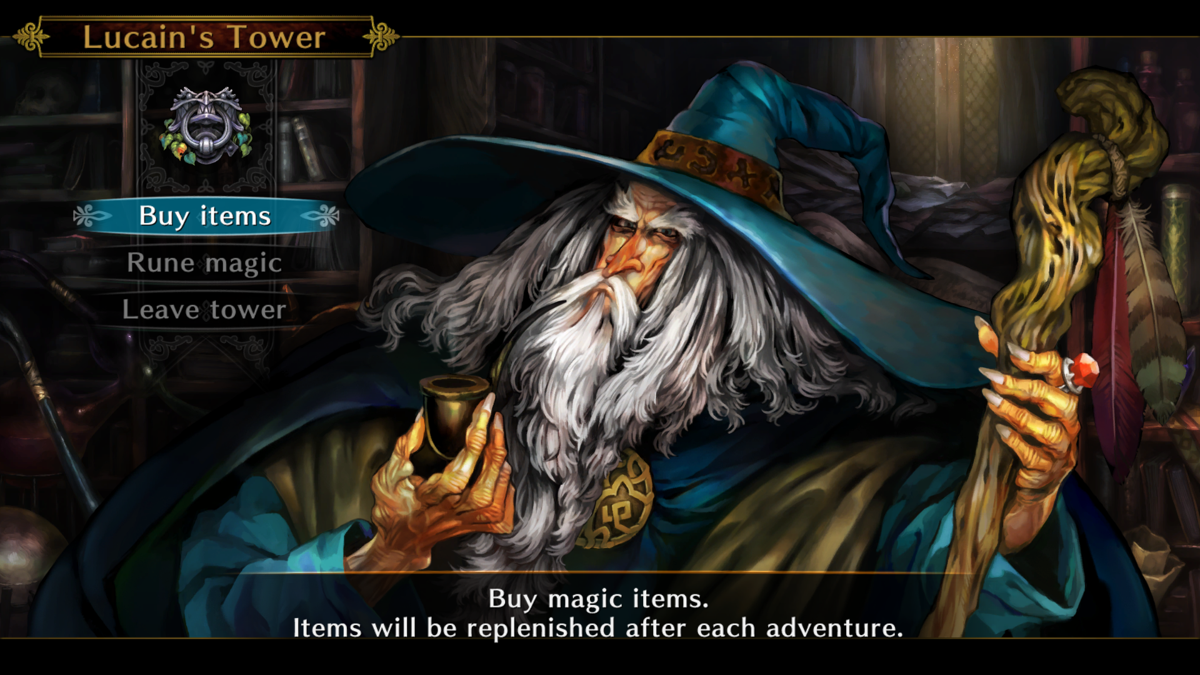
Vanillaware’s 2D fantasy art is the immediate draw. Characters, monsters, and medieval locations are drawn with a depth effect that gives the side-scrolling battles a layered, almost stage-like look. The anatomy is deliberately extreme: male warriors lean into enormous V-shaped muscles, while many women are drawn with pronounced breasts and hips. It is bold, distinctive artwork, though the exaggeration will either be part of the fun or a major distraction depending on your tolerance for it.
Story
The plot sends adventurers across Hydeland in pursuit of the Dragon’s Crown, an artifact capable of controlling any dragon. King Hydeland’s obsession with the crown gives the journey a clear fantasy-adventure frame, while the central objective gradually becomes collecting talismans strong enough to face an ancient dragon. It is a clean premise that keeps the focus on moving from town preparations to dangerous expeditions.
Rather than leaning on conventional dialogue scenes, Dragon’s Crown tells its story through narration. That choice gives the game a storybook quality and suits its old-school fantasy tone, but it also puts some distance between you and the cast. You are less likely to play for intimate conversations than for the feeling of joining a grand, narrated quest with a concrete destination.
The town hub does useful story work because progress opens more places in Hydeland and beyond. The castle, temple, guild, inn, and shops turn each return from a dungeon into a brief reset before the next push. Even the higher difficulty structure extends the premise: each dragon victory restores a goddess statue, giving repeated runs a larger purpose beyond chasing numbers.
Overall Experience
Dragon’s Crown is at its best when you stop treating a cleared dungeon as finished. A run can feed your equipment, guild requests, skills, party roster, and gallery rewards, so returning to familiar ground has tangible value. The town routine—identify loot, sort companions, learn skills, and choose the next job—becomes satisfying once you accept it as part of the adventure rather than downtime between fights.
The game is not equally welcoming to every mood. Its long-term structure asks for repetition, and its character art has a deliberately over-the-top sexualized edge that is impossible to separate from the experience. But neither point is accidental. This is a highly stylized, progression-heavy action RPG that commits to its tastes instead of sanding them down.
Give it a chance if you enjoy building a hero through loot and skills, replaying combat stages with friends or AI allies, and gradually taking on harder versions of the same larger challenge. Skip it if repeated dungeon routes are a deal-breaker or the exaggerated art style puts you off. For historical and release context, see Dragon’s Crown’s reference page. At its best, it turns a simple arcade-like dungeon brawl into a remarkably sticky fantasy routine.


Reviews
There are no reviews yet.