 Retro Replay Retro Gaming History, Reviews & Emulation
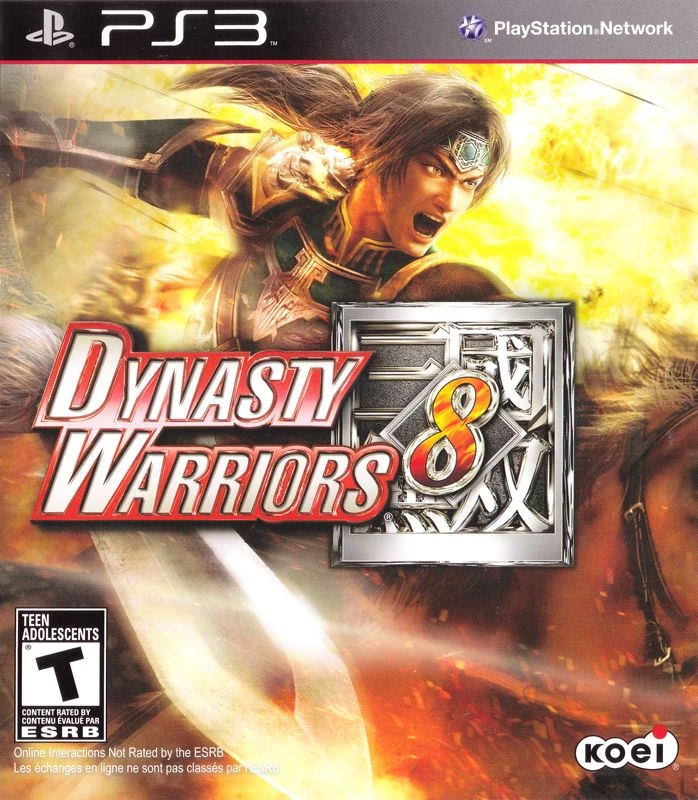
Retro Replay Review
Gameplay
Dynasty Warriors 8 gets to its strength quickly: it gives you a huge cast and then lets you use more of it in the main campaign. Rather than locking every stage to a single officer, each faction story offers four choices. That sounds like a modest change, but it makes a real difference when you have a favorite character or simply want to change the flavor of a battle without abandoning the narrative.
The core loop remains direct, physical hack-and-slash action. You enter historical battles from Romance of the Three Kingdoms, fight your way through their major moments, and move on to the next clash. If you already enjoy the series’ intentionally repetitive rhythm, this is satisfying comfort food. If you need every mission to introduce a dramatically different kind of challenge, the familiar structure can wear thin.
Optional objectives are the smart wrinkle. Completing them can open hypothetical branches, giving you a reason to pay closer attention instead of treating every stage as a straight run to the finish. They also let the game have fun with the source material, preserving the broad historical framework while inviting alternate outcomes.
Ambition Mode is a worthwhile counterpoint to the faction campaigns. Its goal is to build up the Tongquetai social base until it can host the Emperor, using events, skirmishes, raids, and larger battles to push that project forward. It gives repeat play a purpose beyond seeing another character’s route, though it will not convert anyone who is already tired of the game’s battle-first formula.
Graphics
Ancient Chinese battle settings and a roster of more than 82 officers give Dynasty Warriors 8 plenty of period-fantasy color. The game has the visual burden of making a very large cast feel distinct, and its character-focused approach suits a series where choosing a different officer is such a central part of the fun.
Story
The familiar Three Kingdoms material is the backbone, following the rival factions of Wei, Wu, Shu, and Jin through major historical events. Dynasty Warriors has always treated this era as grand serialized drama, and the faction-specific structure is a good fit for a story built on shifting loyalties, campaigns, and competing ambitions.
The best narrative decision is letting you see that history from several angles. A Wei campaign and a Shu campaign are not just different labels on the same idea. They give the conflict different emotional stakes, and character choice within stages helps you feel less like a spectator being marched through a textbook timeline.
The hypothetical branches are where the writing earns extra goodwill. They do not discard the historical route, but they give the game room to ask what might have happened if key conditions had gone differently. That is a strong use of a story everybody knows is headed toward tragedy and division.
Overall Experience
Dynasty Warriors 8 is a generous, confident entry that improves the parts longtime fans actually replay. The larger set of story perspectives, flexible stage character choices, and alternate routes make its campaigns feel more inviting than a rigid historical checklist.
You should go in wanting a lot of action built around revisiting the same war-torn era from different viewpoints. The game does not chase novelty for its own sake. Instead, it refines the reasons to stay with its familiar rhythm, then backs that up with an exceptionally large roster.
For a newcomer, the amount of names and faction history can be intimidating, but the separate campaigns provide a practical way in. For a series regular, this is one of the more rewarding installments to settle into: not because it transforms Dynasty Warriors, but because it gives its longstanding formula more choice, more alternate history, and more reasons to keep fighting.


Reviews
There are no reviews yet.