 Retro Replay Retro Gaming History, Reviews & Emulation
Retro Replay Review
Gameplay
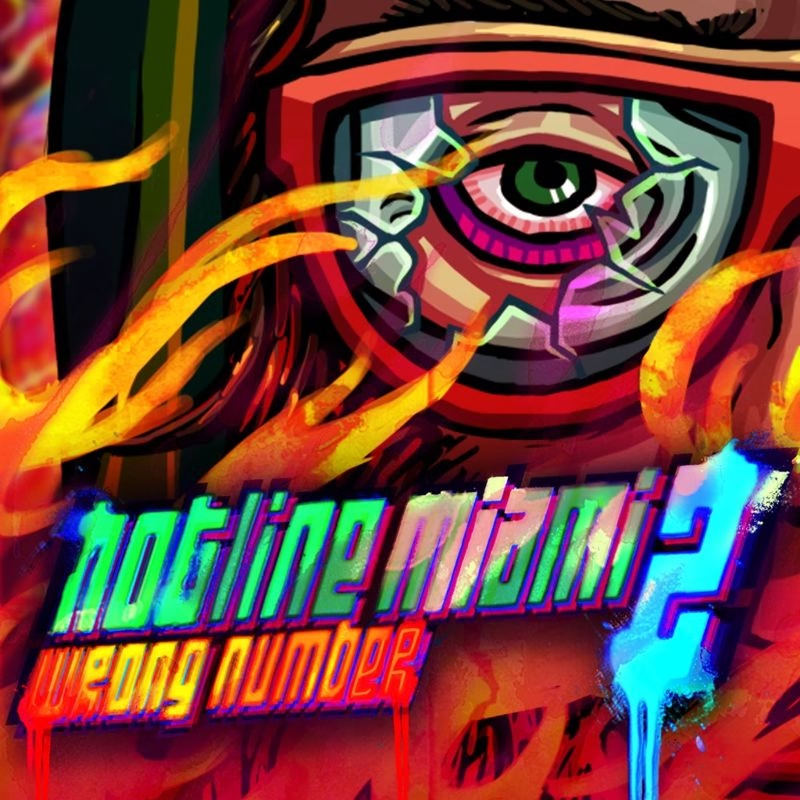
Hotline Miami 2 is built around the satisfying cycle of quick failure and even quicker restarts. A single attack is often enough to kill you, so success comes from studying patrols, checking sight lines, and turning a chaotic room into a route you can execute without hesitation. You are not meant to survive by improvising forever. You learn, restart, and gradually turn an impossible-looking floor into a practiced sequence of violent decisions.
The sequel gets real mileage out of its larger cast. Different characters bring different perks, from faster movement and dodge rolls to dual weapons, firearm executions, or restrictions to melee combat. That changes how you approach a level rather than merely changing a cosmetic label. A character who can work with a silenced pistol asks for a different pace than one forced to fight up close, and the Alex and Ash Davis pairing creates a particularly unusual setup with a chainsaw, guns, and a survival condition tied to keeping both alive.
Weapons, thrown objects, windows, snipers, and enemies who need to be executed after a melee takedown make every room more complicated than simply clearing targets. The ability to look ahead slightly is important because it lets you plan around threats before crossing a doorway. That said, the game can frustrate when a long sequence asks for near-perfect recall. Its difficulty is deliberate, but it is not always gentle about teaching you why a run collapsed.
Normal difficulty is the right place to start, while Hard mode strips away some advantages and makes enemies tougher after you finish the campaign. The later-added editor also gives the game a longer tail, allowing players to build both levels and dialogue scenes. That is a meaningful bonus for anyone who wants to take its fast, lethal rule set apart and make their own challenges.
Graphics
The game uses a top-down view that keeps rooms, weapons, and enemy positions visible as you plan a route through each encounter. In battle, that viewpoint is most effective when you are watching windows and open spaces for distant threats before committing to a move.
Story
Wrong Number ties directly into the first Hotline Miami, but it refuses to tell its story in a straight line. Its events span 1985 to 1991 in an anachronistic order, and the rotating playable cast gives you several perspectives on the same broader chain of events. That structure creates intrigue, especially if you already know the first game and want more context around its world.
The trade-off is distance. Switching characters and time periods means you spend less time rooted in any one viewpoint, and the short scenes between missions have to carry a lot of narrative weight. The story is more like a fractured collage than a clean escalation, which can be compelling but may leave you sorting out connections after the fact rather than feeling them in the moment.
For returning fans, the direct connection makes this feel like a genuine continuation instead of a detached follow-up. Newcomers can still understand the immediate stakes of a given mission, but starting with the original will make this one’s shifting perspectives and final-series status land with more force.
Overall Experience
Hotline Miami 2: Wrong Number doubles down rather than broadening its appeal. It takes the original’s lethal, replay-driven action and pushes it into a larger campaign with more characters, more specialized play styles, and a more tangled narrative. When a stage clicks, the pace is electric: a plan forms, a room falls apart in seconds, and the restart button turns failure into another chance to get it right.
It is also a game that asks for patience. You need to accept that deaths are part of the process, pay attention to sight lines and reviving enemies, and be willing to replay sections until their patterns become familiar. If that process sounds exhausting, the sequel’s added scale is unlikely to win you over. If it sounds like the point, it has plenty to dig into.
At its best, Wrong Number delivers the sharp satisfaction of mastering a hostile space under pressure. The varied cast keeps its familiar foundation from going stale, and the editor adds welcome value beyond the campaign. It is a strong recommendation for anyone who finished the first game wanting a tougher, broader conclusion, even if its fragmented story and punishing demands make it a less inviting entry point.

Reviews
There are no reviews yet.