 Retro Replay Retro Gaming History, Reviews & Emulation
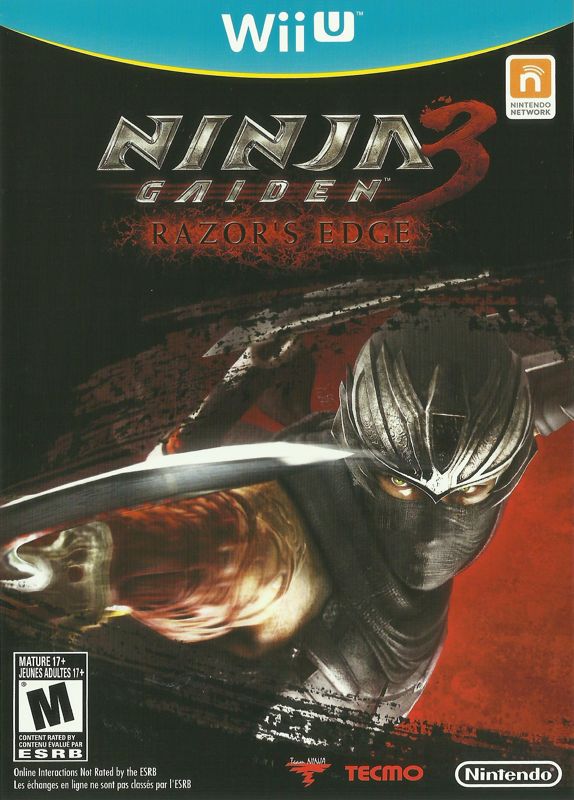
Retro Replay Review
Gameplay
The first thing Razor’s Edge gets right is momentum. You are dropped into a behind-the-back martial-arts action game built around direct control, weapon attacks, Ninpo, and close-range encounters, then given more ways to develop your approach than Ninja Gaiden 3 offered. The added weapons, attack types, enemies, and battle arenas matter because they make this feel like a revised combat package rather than a minor touch-up.
Karma’s return is the big structural improvement. Earning upgrades for weapons, Ninpo, health, and moves gives you a reason to care about progress beyond simply reaching the next fight. That steady sense of growth starts to click once you decide where to spend your upgrades: improving survivability may suit a difficult stretch, while expanding a favored weapon or move set can make the action feel more personal. It is a stronger loop than treating every battle as an isolated test.
The revised AI and expanded combat toolkit make Razor’s Edge the version for anyone coming to this particular entry. You have more to manage, but also more leverage. The Wii U edition makes specific use of the GamePad for Ninpo and a combo chart, while the broader release remains centered on the same fast, hands-on fighting. Co-op, with Ryu and Ayane available together online, is a welcome change of pace when you want to take the combat outside the solo campaign.
Graphics
The behind-view camera keeps Ryu or Ayane in front of you as fights unfold, making weapon swings, enemy pressure, and movement through the arenas the focus of the screen. The combo chart on the Wii U GamePad is a useful extra display for players using that version.
Story
Razor’s Edge adds Ayane from Dead or Alive as a playable character, and she receives her own story-mode chapters rather than being limited to a bonus combat option. That is meaningful extra material for anyone who wants a second character’s perspective and a different way into the game’s action.
Ryu remains central to the package, while Ayane’s inclusion broadens its character roster in both solo content and online co-op. The story material is most valuable as a reason to spend more time with the game and learn a different playable fighter.
If you are choosing between releases, the expanded character content is one of the clearest reasons to favor Razor’s Edge. For context on the earlier release, see Ninja Gaiden 3 (Collector’s Edition); Razor’s Edge is the more substantial revision of that foundation.
Overall Experience
Ninja Gaiden 3: Razor’s Edge earns its 7.4 through the cumulative value of its revisions. More combat options alone would help, but pairing them with altered AI, more opponents and arenas, Karma upgrades, Ayane chapters, and co-op makes this feel like an action game with enough room to keep digging after the initial run.
You should give it a chance if you enjoy martial-arts hack-and-slash games where control, upgrades, and repeated combat encounters are the main draw. The payoff is a more complete version of Ninja Gaiden 3, one that gives you reasons to experiment with weapons and character progression instead of treating the campaign as a one-and-done sprint.
It is not merely an add-on bundle; the new content and systemic revisions point in the same direction: more choice in combat and more opportunities to use it. For game history and release details, this Ninja Gaiden 3: Razor’s Edge reference is useful, but the practical verdict is simple: Razor’s Edge is the edition worth playing.


Reviews
There are no reviews yet.