 Retro Replay Retro Gaming History, Reviews & Emulation
Retro Replay Review
Gameplay
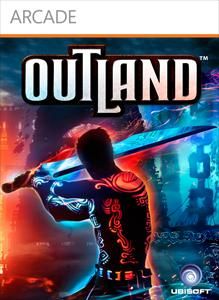
Outland starts as a nimble, satisfying action-platformer: you wall-jump, grab ledges, climb, work switches, and cut through enemies with a sword combo. That first stretch is immediately pleasant because the character moves with purpose, and there is always another ledge, ladder, moving platform, or enemy-filled passage asking you to keep going. Then the blue-and-red polarity system arrives and changes the entire conversation.
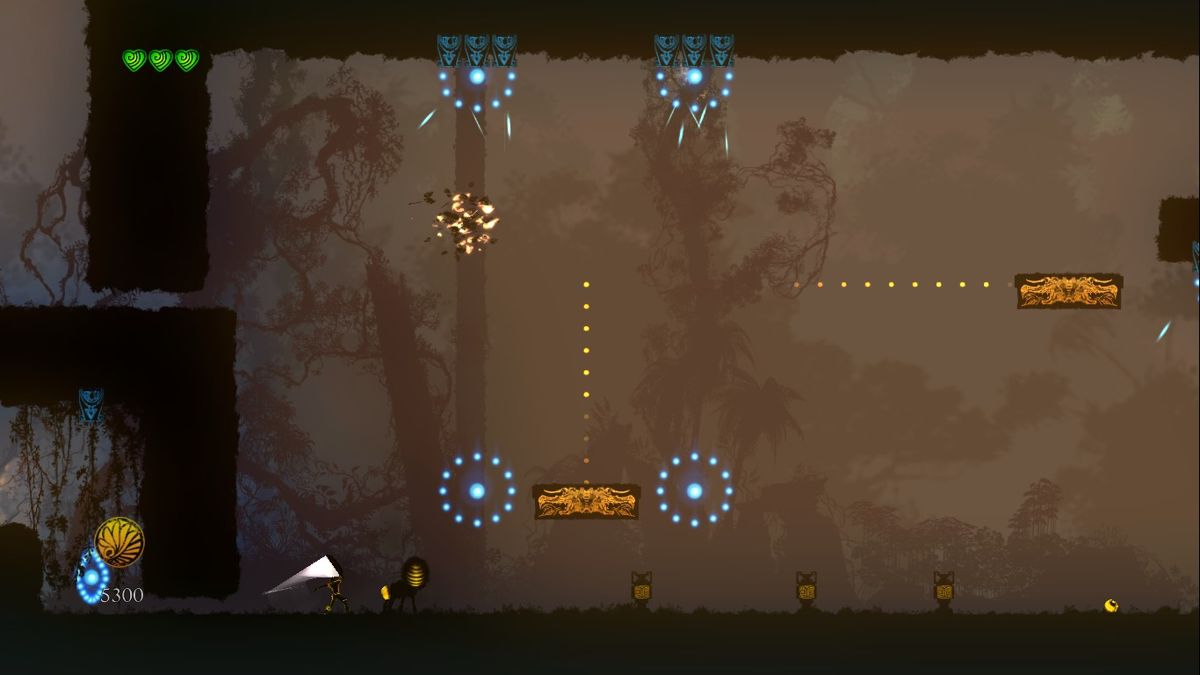
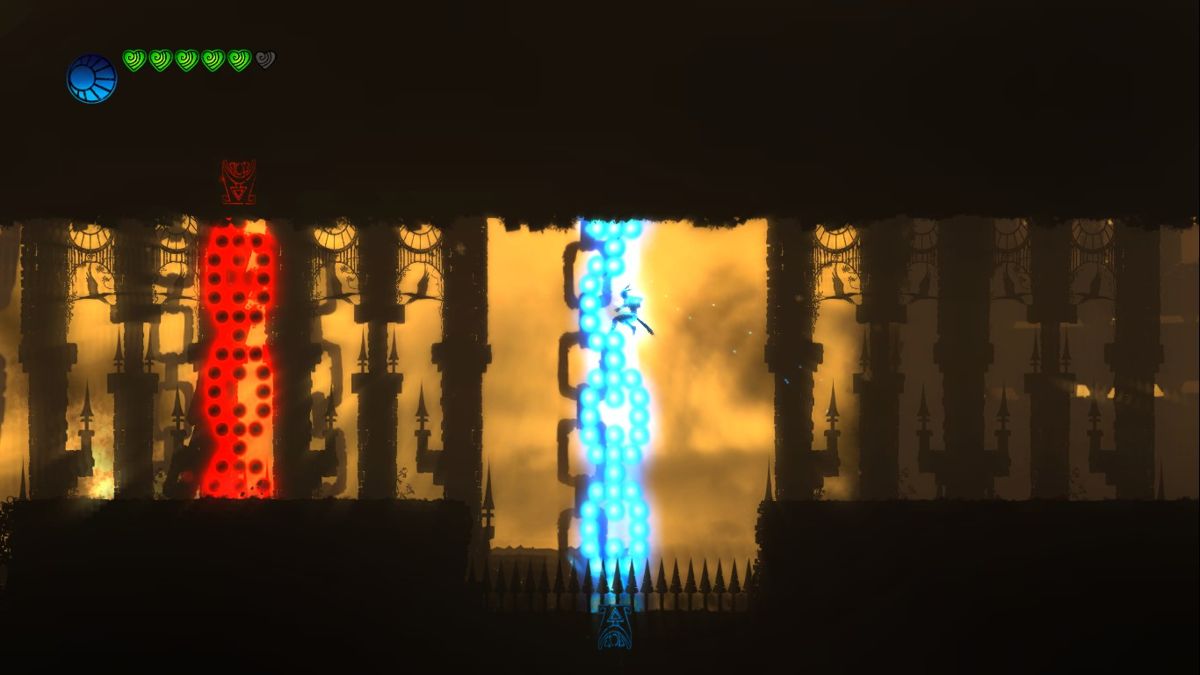
You can absorb projectiles matching your current color, while enemies need the opposite color to take damage. It sounds clean on paper. In motion, with lasers, balls, cannons, enemies, and platforms all demanding conflicting reactions, it becomes a sharp little panic machine. The best encounters make you switch colors mid-attack, thread through bullet patterns, and retain enough composure to keep advancing. When that rhythm clicks, Outland feels brilliant: part platformer, part brawler, part bullet-hell dodge test.
Frustration can set in when the screen is crowded and one mistimed switch ruins an otherwise strong run. Boss fights especially ask for concentration, since they pile large waves of colored hazards on top of the need to attack. Still, the difficulty has a clear logic. You are rarely guessing what the game wants; you are being asked to execute under pressure. Checkpoints help soften the sting, and health and energy upgrades bought with collected gold give exploration a practical payoff.
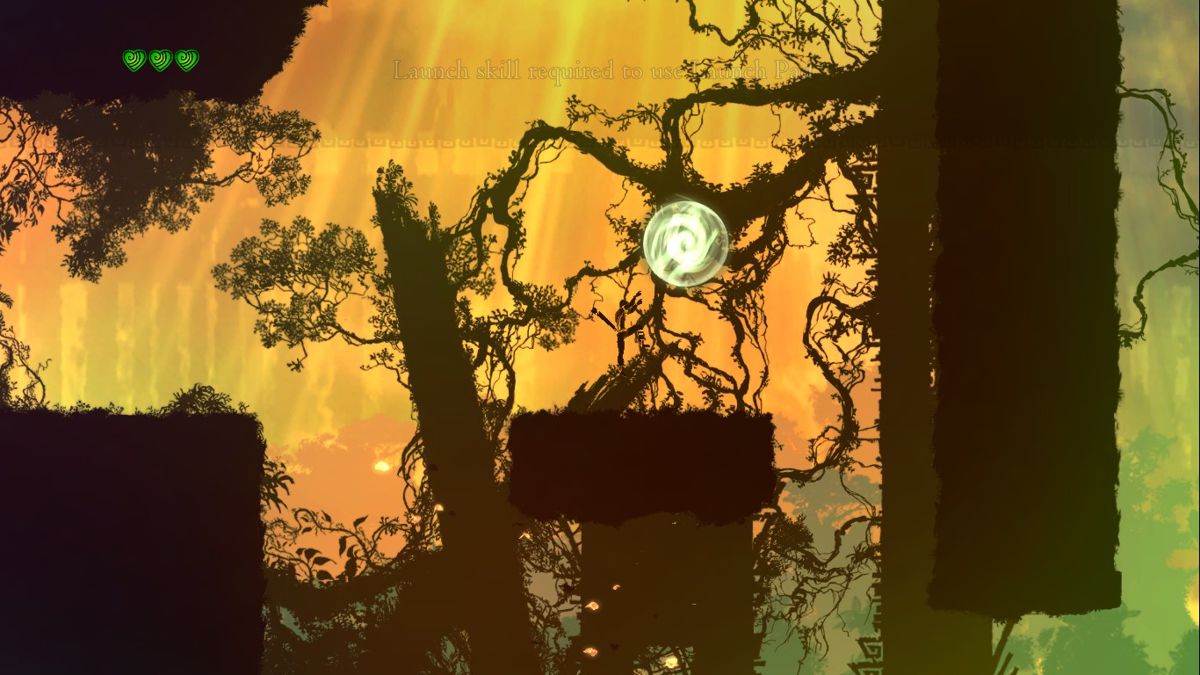
The growing move set keeps combat from becoming a one-note sword routine. Slides, air attacks, an upward slash, energy-based attacks, spikes, and a large laser beam widen your options, while bombs dropped by enemies can be swung into foes or walls. The world also repeatedly dangles blocked routes in front of you, then hands you the means to break floors, charge through walls, use jump pads, find keys, or travel by teleporter. It is a guided form of backtracking rather than a wildly open adventure, but it gives each new ability an immediate reason to matter.
Graphics
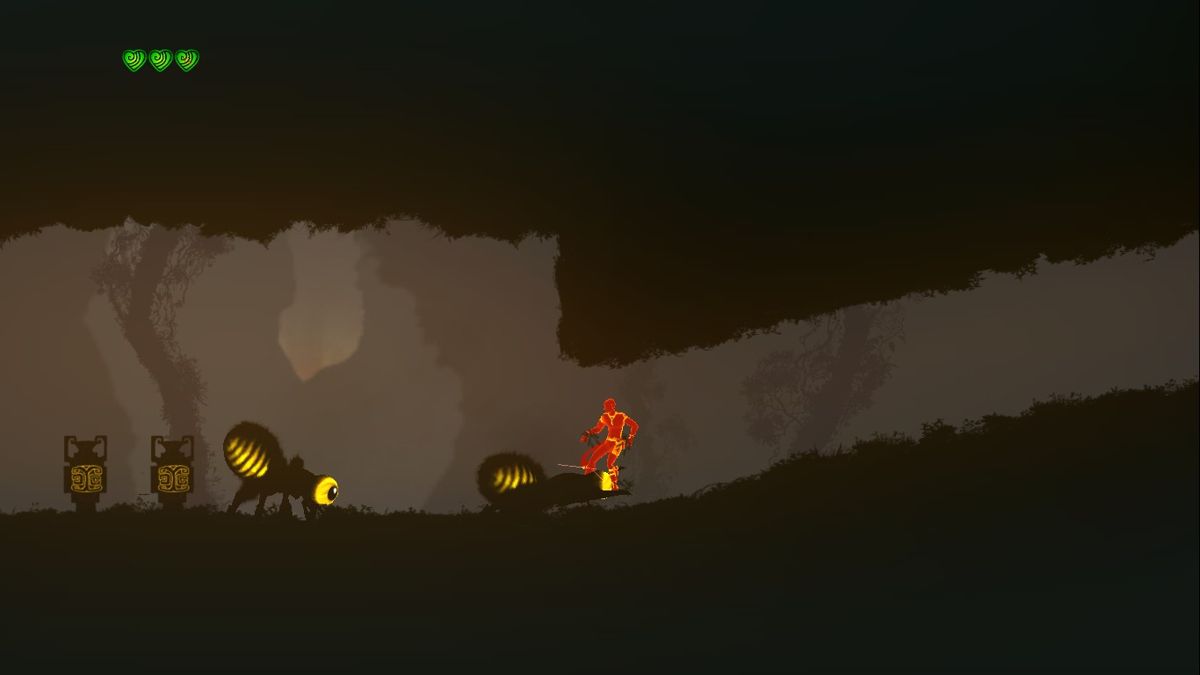
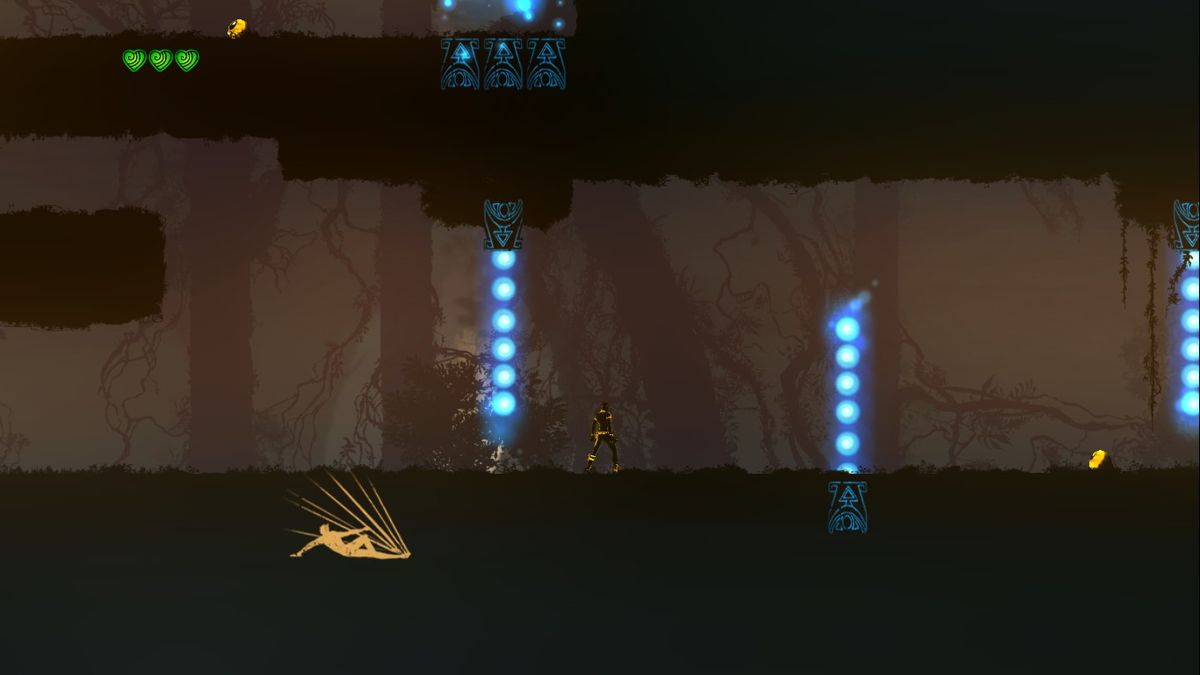
Outland is a side-view 2D game built around the immediate contrast of blue light and red darkness. That color split matters visually because bullets, lasers, cannons, enemies, spikes, and platforms can all change how you read a dangerous space from one second to the next.
During the most demanding battles, the screen fills with colored objects in crossing patterns. It can look busy, but that clutter is also the point: you are meant to pick a safe color, spot the next opening, and move before the pattern closes.
Story
The story centers on a man moving through a mystical world in search of balance between two contradictory forces. It is a simple frame, but it fits unusually well because Outland turns that idea into something you constantly do rather than merely something you are told. Blue and red are not decorative themes; they are the rules of survival.
The five worlds open gradually, and bosses and shrines mark the moments when your journey expands. New abilities do more than increase your combat options: they send you back toward previously blocked paths and secret spaces, making progress feel tied to uncovering more of the world.
Do not come expecting the narrative to carry the game through elaborate plot turns. Its strength is thematic consistency. The journey toward balance has real weight because every difficult room asks you to hold two opposing demands in your head at once: match a projectile to live, oppose an enemy to hurt it.
Overall Experience
Outland earns its reputation by taking a familiar action-platforming foundation and giving it a genuinely demanding central twist. The first hour teaches the basics smoothly enough, but the game keeps escalating until color switching becomes instinctive. It rewards patience, quick reactions, and the willingness to retry a hard sequence until its moving pieces stop looking like chaos.
Exploration-minded gamers will find gold, health upgrades, energy upgrades, hidden masks, and secret areas worth revisiting for, especially once teleporting opens travel across the worlds. The map and its objective markers keep that return trip from becoming aimless, while the wind carrying gold leaves offers a useful nudge toward the main route when you would rather press onward.
The linear structure beneath the ability gates may disappoint anyone hoping for a totally unconstrained Metroidvania, and the projectile-heavy fights will test your tolerance for failure. But if Ikaruga-style color matching sounds exciting rather than exhausting, Outland is an easy recommendation. Its online cooperative mode, arcade levels, and unlockable cooperative challenges add reasons to revisit it, but the single-player campaign is already a strong, focused challenge. An 8 feels right: inventive, demanding, and at its best when you finally turn a seemingly impossible storm of bullets into a route you can dance through.


Reviews
There are no reviews yet.