 Retro Replay Retro Gaming History, Reviews & Emulation

Retro Replay Review
Gameplay
The first stretch of The Swapper makes you feel clever almost immediately. You create a clone, transfer control to it, and realize that your old body has not vanished—it is still standing exactly where you left it. That one idea carries a lot of weight. A pressure plate that looked unreachable a moment ago can now be held down by one body while you guide another toward the door.
What starts as a clean puzzle-platforming trick becomes more demanding once the rooms ask you to position several clones correctly. Every clone follows your movement input, while only the body you currently control can press buttons or create additional clones. That distinction is the heart of the game. You are not merely finding a route through a room; you are planning a small group of linked bodies, then deciding which one deserves your attention at the crucial moment.
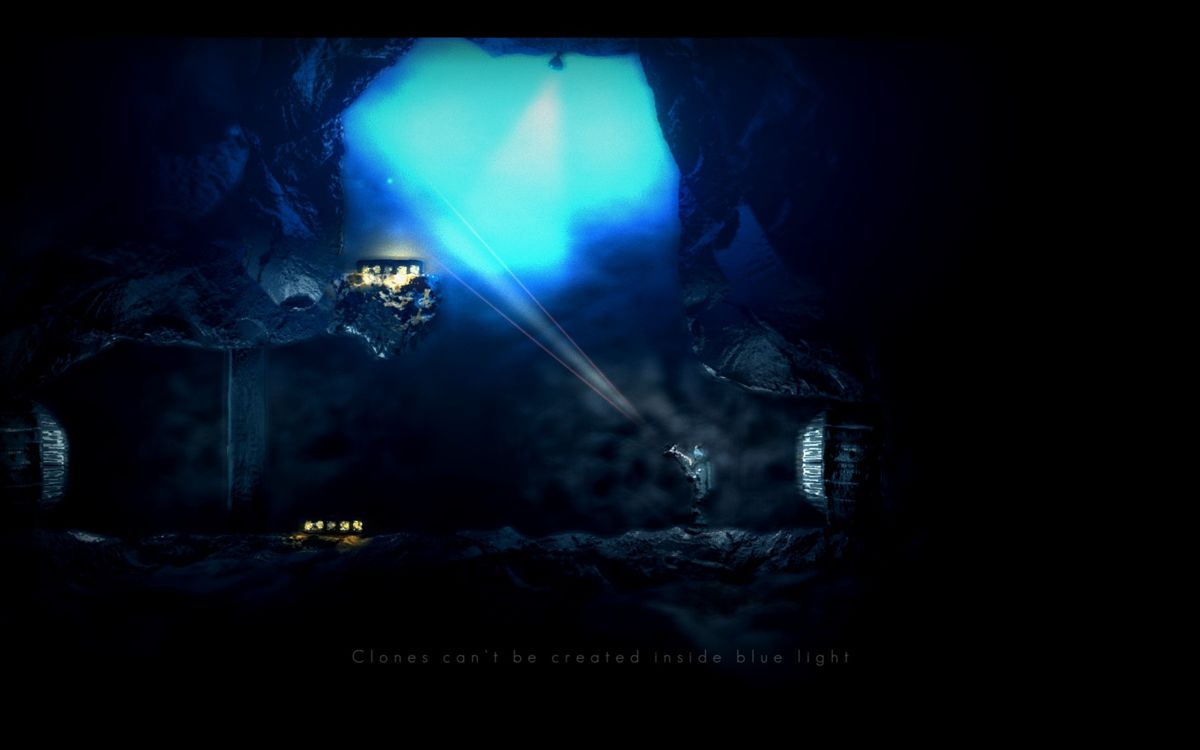
The colored lamps are where the satisfying head-scratching can turn into genuine friction. Red light stops swaps, blue light stops clone creation, and purple light blocks both. These restrictions force you to think about not only where you want to go, but where you must create a body before entering a restricted area. When a solution finally clicks, it feels earned. When it does not, the game can leave you staring at a chamber and retracing your assumptions. Give it time rather than trying to rush through rooms; patience is the intended skill here.

Graphics
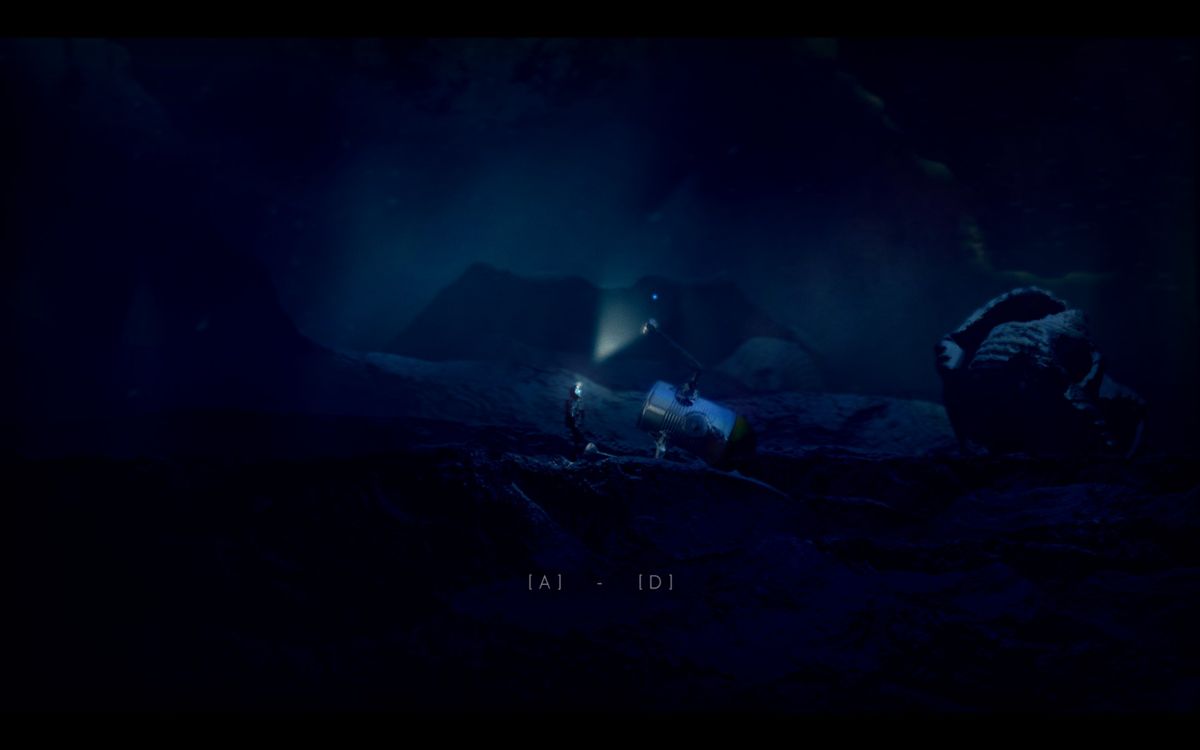
The side-scrolling view keeps the puzzle rooms easy to parse: you can see clones, pressure plates, doors, and the colored red, blue, and purple lamps that determine what your device can do. The mostly abandoned space station gives those chambers a stark sci-fi backdrop without getting in the way of the problem in front of you.

Story
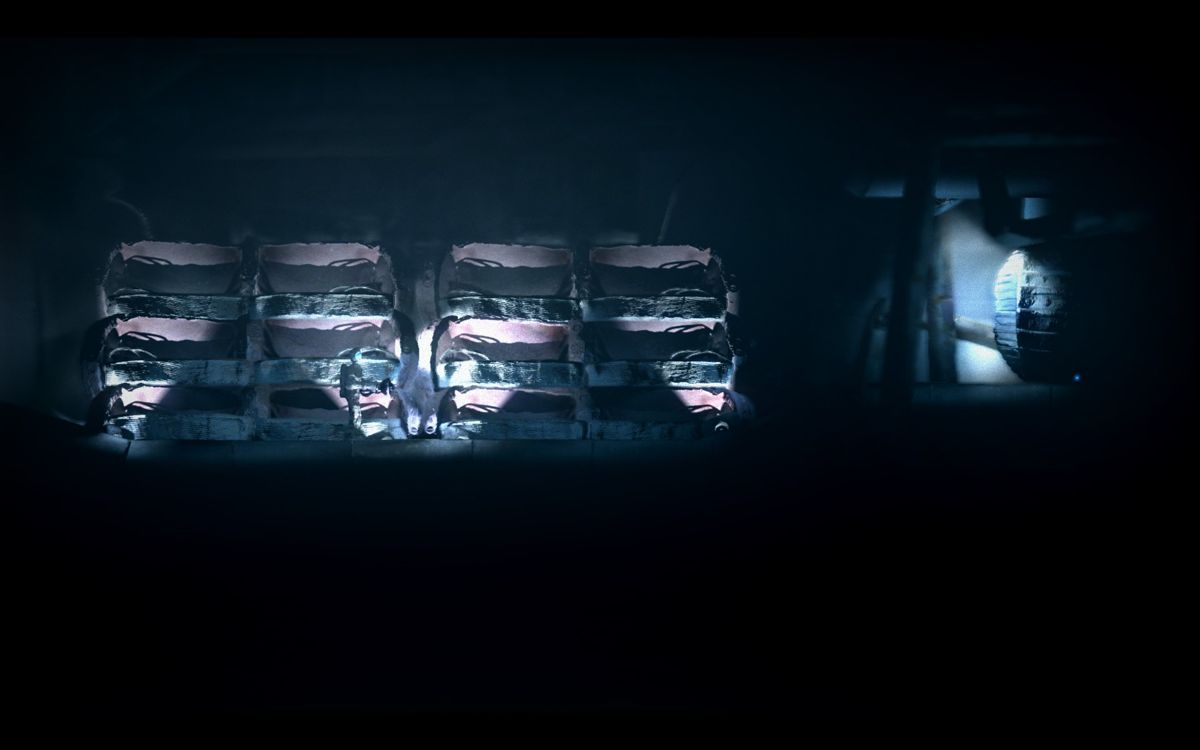
The Swapper does not treat its station as a disposable excuse for puzzles. Its mostly abandoned corridors and rooms create a natural sense that you are piecing together what happened while working your way forward. Much of that context comes through diary logs, so players who like to read and reflect will get more out of its narrative than anyone racing from door to door.
Encounters with an NPC add another route into the story, but the central concern remains cloning itself. The game asks what it means to make copies of a person, then links that question to consciousness and the soul. That is a strong thematic fit for a puzzle game built around repeatedly leaving one version of yourself behind and inhabiting another.
Do not expect the story to interrupt the puzzles constantly. It unfolds in pieces, and that restraint works in its favor: you have room to sit with the implications of what you are doing. The result is a sci-fi tale that feels more thoughtful than the average platformer framework, even when its most memorable moments are still the ones you solve with your own brain.
Overall Experience
The Swapper earns its reputation through focus. It takes cloning and swapping, understands exactly why those actions are interesting, and keeps finding fresh ways to complicate them with shared movement, activation rules, pressure plates, and light-based restrictions. There is a pleasing escalation from “I understand this” to “wait, how can any of these bodies be in the right place?”
Its slower pace will not suit everyone. If you want fluid platforming momentum or quick answers, the moments spent studying a room can feel like a wall. But if a tough puzzle is part of the reason you play, that pause is the point. The best advice is to treat each room like a contained spatial problem and be willing to reset your mental picture of it.
The payoff is worth that effort. The cloning puzzles are smart on their own, and the story gives them more resonance than a string of abstract challenge rooms would have had. At 8.4, it is a strong pick for anyone who wants a compact sci-fi puzzle-platformer that trusts you to think through its ideas rather than simply react.



Reviews
There are no reviews yet.