 Retro Replay Retro Gaming History, Reviews & Emulation

Retro Replay Review
Gameplay
The first stretch of Justine is effective because it does not waste time explaining itself. You wake in a dungeon as an unnamed woman, find a phonograph, and are told plainly that the way out runs through a series of tests. That immediate uncertainty is doing a lot of work. You are not exploring Brennenburg again with a known context; you are trying to understand why you are here while deciding whether the next noise is merely part of the dungeon or something you need to avoid.
Mechanically, this is very close to Amnesia: The Dark Descent, so returning players can settle in immediately. The familiar controls leave room for the new location, puzzle-solving, and monster encounters to carry the tension. The puzzles give the dungeon a purposeful structure rather than making it feel like a straight haunted corridor, and the need to avoid its inhabitants keeps even simple progress from becoming comfortable.
Frustration can set in if you want a radically redesigned expansion, because this is deliberately built on the original game’s foundation. But it is also focused enough that the reused control scheme feels like a strength rather than a shortcut. Give it a chance if you liked being pressured into slow, cautious exploration in the original and want a shorter, harsher variation on that formula.
Graphics
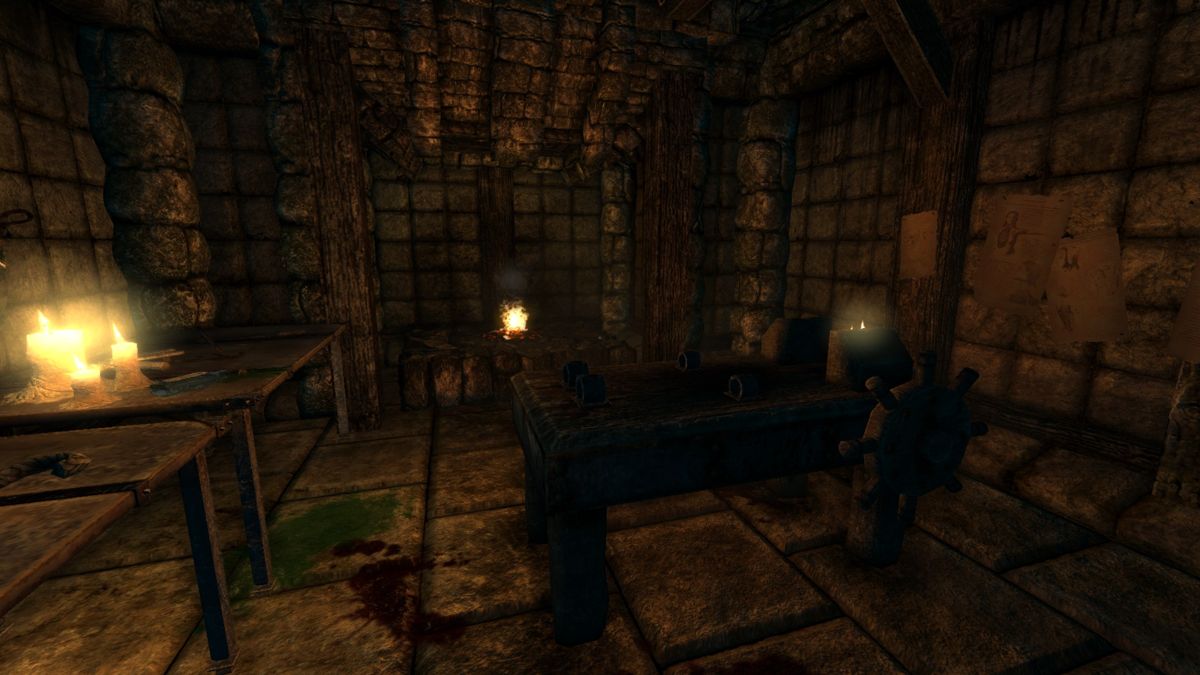
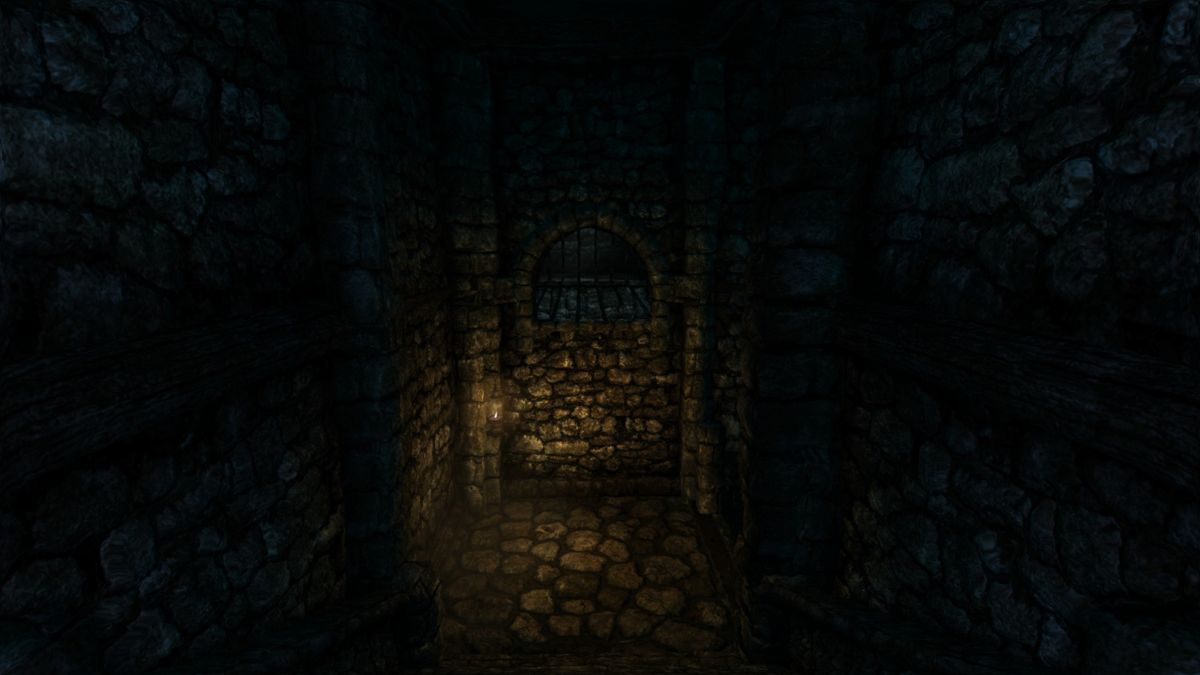
The dungeon setting trades Brennenburg’s spaces for enclosed tests, blood-written messages, letters, and phonographs placed along the route. The monsters are especially unpleasant to contemplate: they are torture victims, and the written and recorded material ties their damaged appearance to what was done to them.

Story
Justine herself is the center of the mystery even though she largely speaks through recordings. Her phonographs guide you through the dungeon while also framing the place as a deliberate experiment, which gives every puzzle and threat a more personal cruelty. It is a strong hook: someone knows the rules, has arranged the suffering, and wants you to continue.
The story is told in fragments—phonographs, messages written in blood, and letters—so you assemble it while moving forward rather than sitting through long explanations. That approach suits the game’s tense pace. You get enough to understand that the creatures were once people used as “Suitors,” subjected to torture and mutilation, without turning the horror into a detached history lesson.
The supporting NPC voices add pressure more than clarity. They yell at you, but the fuller context comes from the recordings and notes. If you enjoy horror stories that make you read the room, literally and figuratively, the scattered clues make the dungeon more disturbing as its purpose comes into focus.
Overall Experience
Amnesia: Justine is a worthwhile expansion because it understands exactly what needs to change and what does not. The controls and basic style of interaction remain familiar, while the new dungeon, unknown protagonist, and cruel test structure give the experience its own nasty momentum.
Its strongest moments come from the overlap of fear and curiosity. You want to solve the next obstacle, but each recording and message makes you more aware that progress means participating in Justine’s constructed ordeal. The tortured “Suitors” are not just obstacles to dodge; their backstories lend the encounters an ugly human weight.
This is not the place to start if you have no taste for the original game’s slow, vulnerable horror. For fans, though, it is a sharp companion piece: compact, unsettling, and more interested in putting you through a test than giving you a comfortable return visit.


Reviews
There are no reviews yet.