 Retro Replay Retro Gaming History, Reviews & Emulation

Retro Replay Review
Gameplay
Painkiller: Hell & Damnation grabs you by the collar immediately. You are Daniel Garner, trapped in purgatory, and the answer to nearly every problem is to circle-strafe through a mob of monsters while firing until the room finally goes quiet. There is little patience here for the cautious, cover-based habits of modern shooters. Momentum is survival. If you stop moving when enemies flood in, you will quickly understand why Painkiller built its reputation on frantic arena combat.
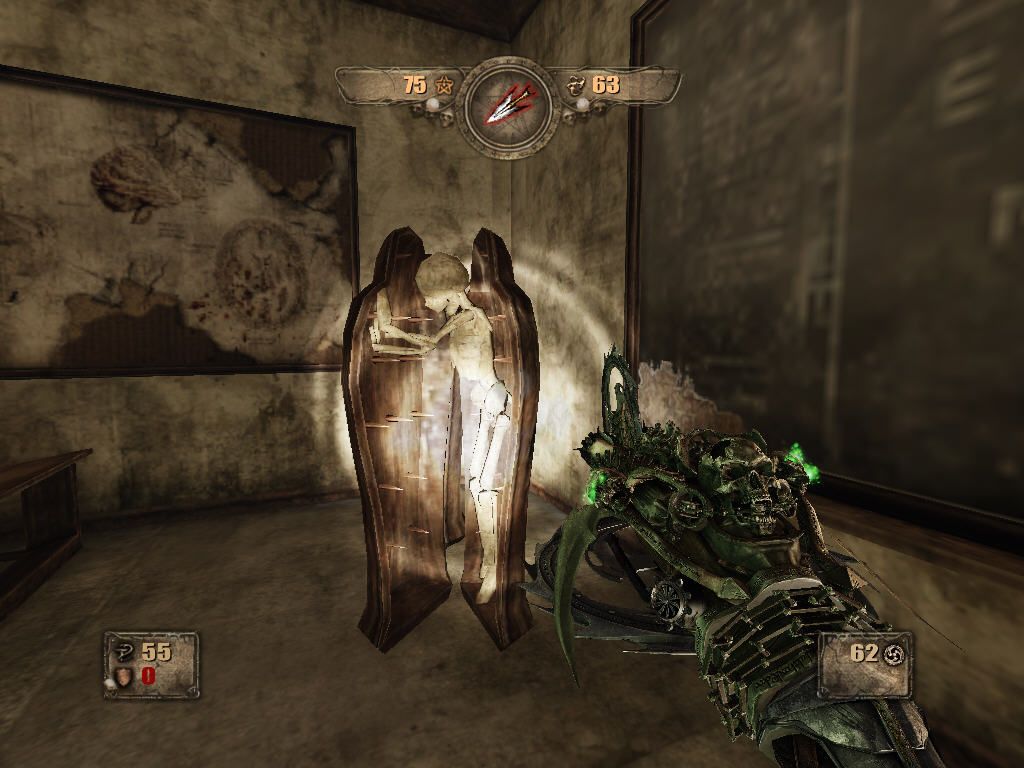
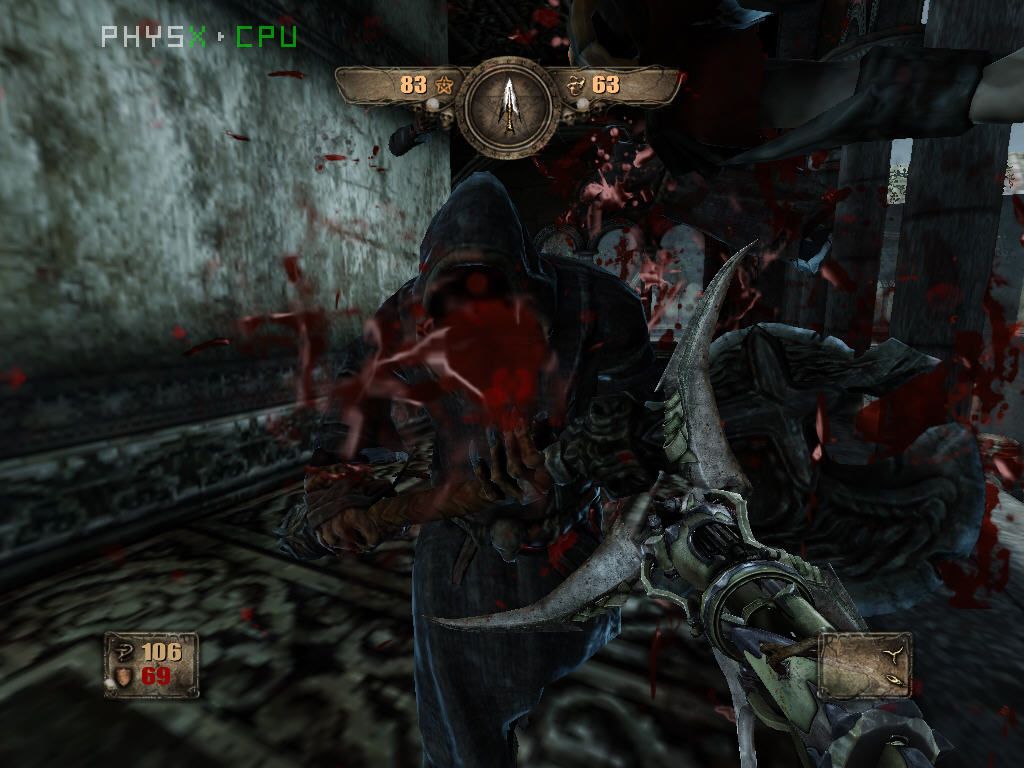
The strongest part is how directly the weapons serve that pace. Returning guns retain the series’ gleeful nastiness, and the new Soulcatcher is a particularly fitting addition: its saw blade and energy beam let you kill up close while immediately collecting the souls left behind. It is not a subtle tool, but subtlety would be the wrong note for a game this committed to blood, noise, and constant forward pressure.
This remake only includes 14 of the 34 levels from Painkiller and Battle Out of Hell, reorganized into four chapters. That makes the campaign feel focused, but it can also leave you wishing more of the original material had made the cut. Each chapter ends with a rebuilt boss, and the revised level layouts and enemies give familiar material a new shape rather than simply preserving it untouched.
Frustration sets in if you want every encounter to evolve beyond its central loop. Painkiller lives or dies on whether you enjoy being boxed into combat spaces and asked to clear overwhelming waves with fast movement and raw firepower. For the right mood, that simplicity is refreshing. For anyone hoping for a more varied first-person campaign, it can start to feel repetitive before the final chapter.
Co-op is a meaningful reason to return. Daniel can team up with Eve locally or online, turning the campaign’s chaos into a shared scramble. Survival mode pushes that further, allowing up to eight people to hold out against enemy waves, while the old PvP modes remain available. These extras do not change the core game, but they suit it: Painkiller is at its happiest when there are more targets, more shots, and more people trying to survive the same ugly room.
Graphics
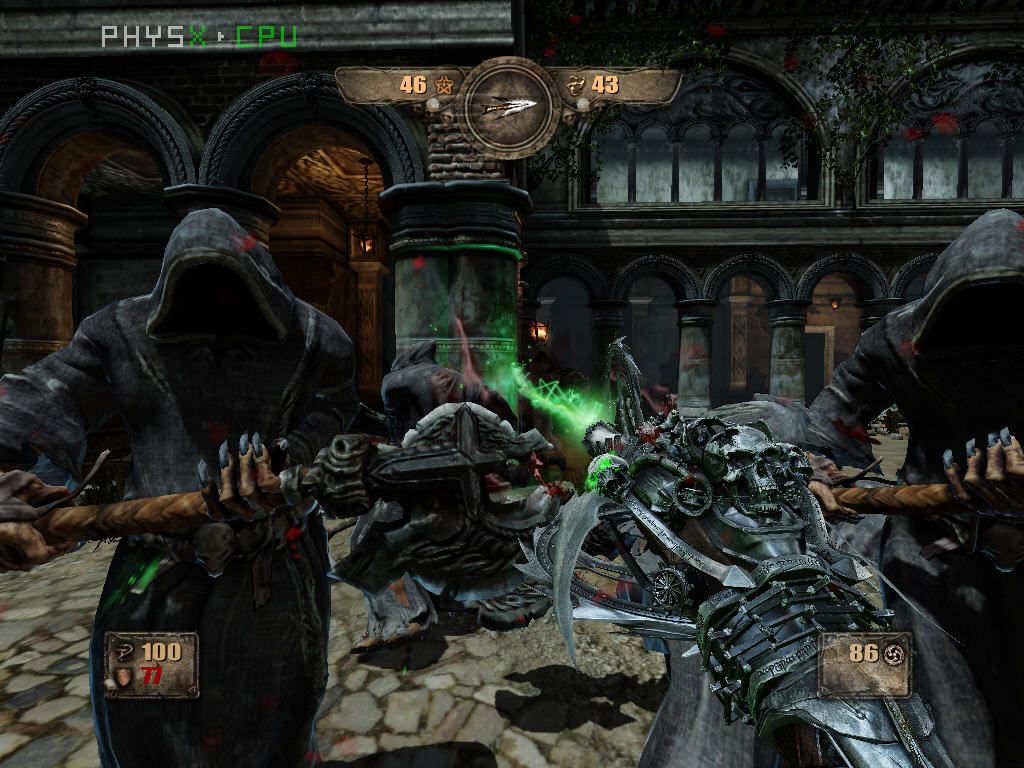
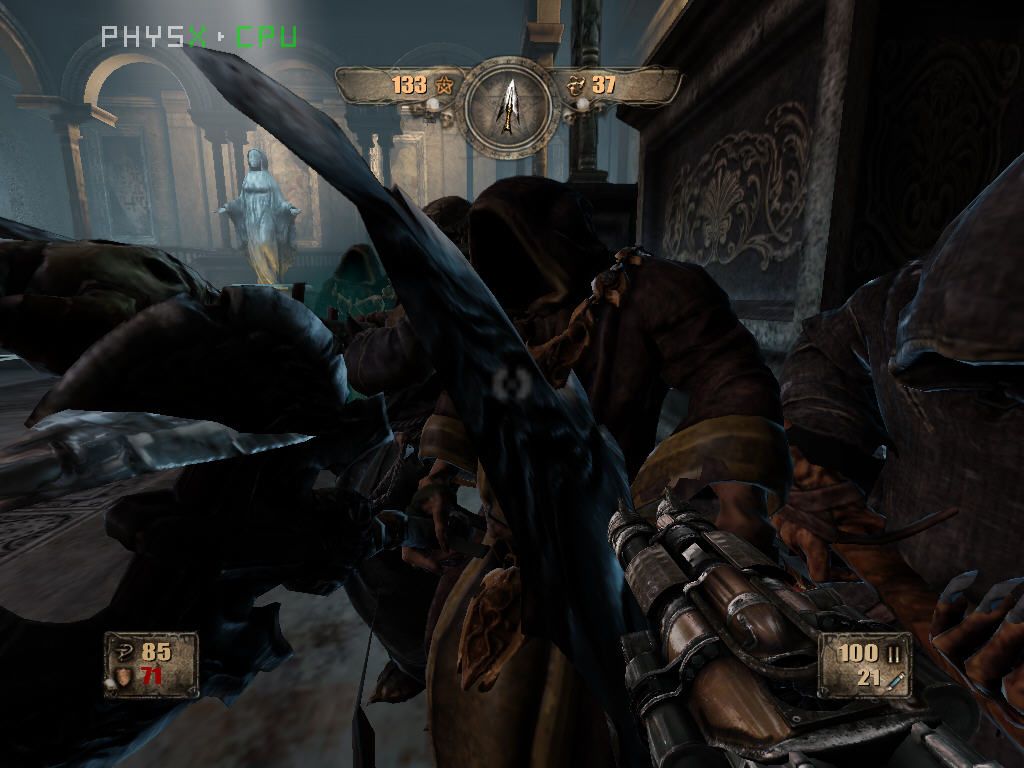
The move from the original PAIN engine to Unreal Engine 3 is most noticeable in the characters and enemy skins. Hell & Damnation looks cleaner and more detailed than its source material, particularly when hordes of grotesque foes fill the first-person view and the gore starts flying. Its rebuilt bosses and levels benefit from that upgrade, even if the game still carries the blunt, mid-era shooter look of the material it remakes.
Story
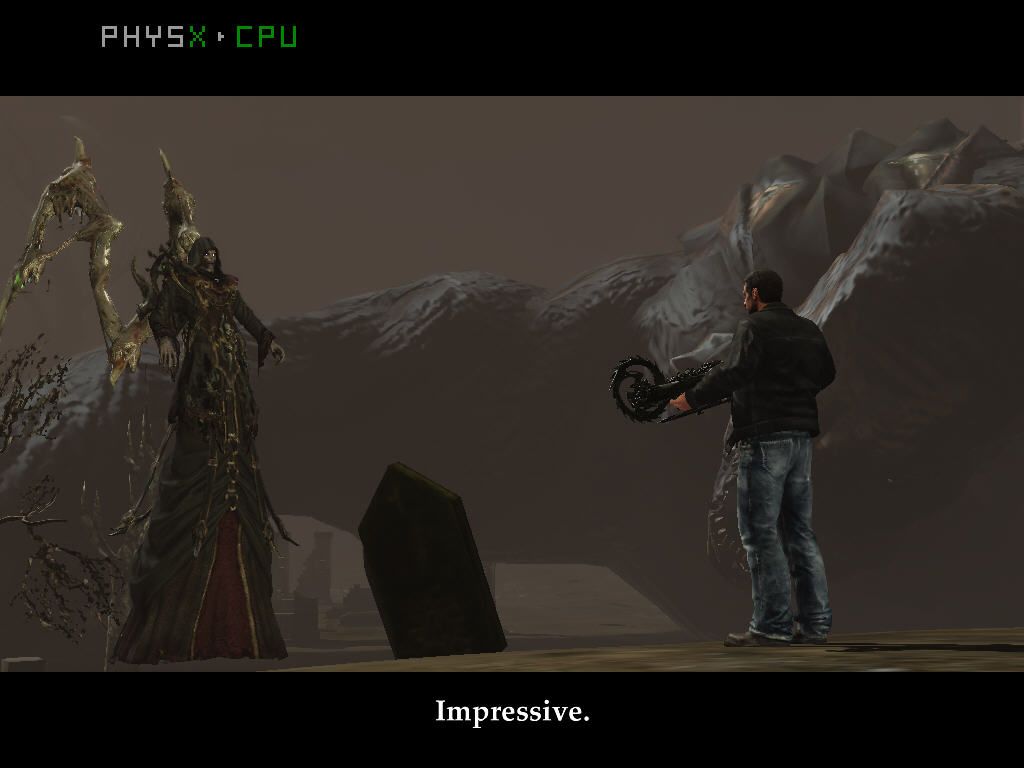
The story is a frame for the carnage, not the reason you will keep playing. A new introductory cinematic changes the setup for Daniel Garner’s journey through purgatory, then gets him into demon-infested spaces where the real conversation happens through gunfire.
That sparseness works better than it sounds because Painkiller does not pretend to be a character drama. Daniel’s predicament supplies a grim excuse for the hellish locations and monstrous opposition, while each chapter’s boss gives the campaign a clear punctuation mark. You are here to force a path through purgatory, not unravel a dense supernatural mystery.
Still, the new opening does not transform the game into a richer narrative experience. If you need a shooter to continually surprise you with plot turns or memorable conversations, this journey will feel thin. The reward is the mood of a man fighting through a hostile afterlife with increasingly excessive hardware, which is exactly the level at which Painkiller works best.
Overall Experience
Hell & Damnation is an uneven remake with a very clear upside: it preserves the ferocious heart of Painkiller’s shooting. The 14-level selection is a compromise, yet the rebuilt campaign still delivers plenty of arenas built for running backward, dodging a crowd, and firing into it until the screen is awash in gore.
You should give it a chance if you miss first-person shooters that let action carry the whole experience. Its best moments are immediate and physical: a cramped fight goes bad, you find your rhythm, the weapons begin to click, and what seemed like a hopeless swarm becomes a manageable killing pattern. The co-op and survival modes make that loop easier to revisit with friends.
At the same time, this is not the full original-and-expansion package, and its narrow focus can wear on you if monster arenas alone are not enough. The 6.6 score feels fair: it is a solid, rough-edged return for Painkiller fans and a decent entry point for newcomers, but not a remake that fully replaces the games it draws from. For background on this version’s history, the Painkiller: Hell & Damnation overview is useful; for playing, come for the guns, stay only if the relentless rhythm gets into your hands.


Reviews
There are no reviews yet.