 Retro Replay Retro Gaming History, Reviews & Emulation

Retro Replay Review
Gameplay
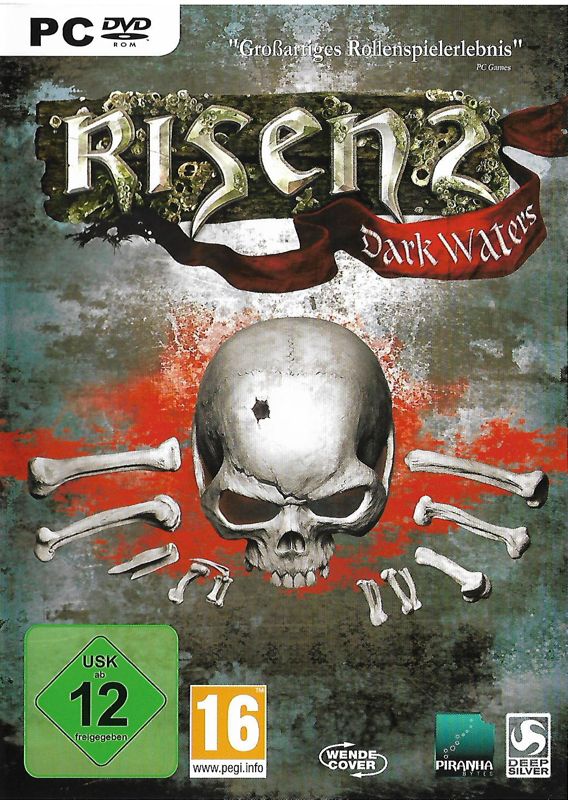
The first hour makes a clear promise: you are not here to rush from one glowing destination to the next. You are a newly minted Inquisition man walking into a crisis where Caldera is cut off, Titans are a looming threat, and the sea itself is unsafe thanks to the Kraken. Then the game opens into its pirate-themed island structure, and its real rhythm emerges. You land somewhere new, speak with the locals, pick up leads, and push gradually farther into wilderness and settlements as your character becomes capable enough to survive.
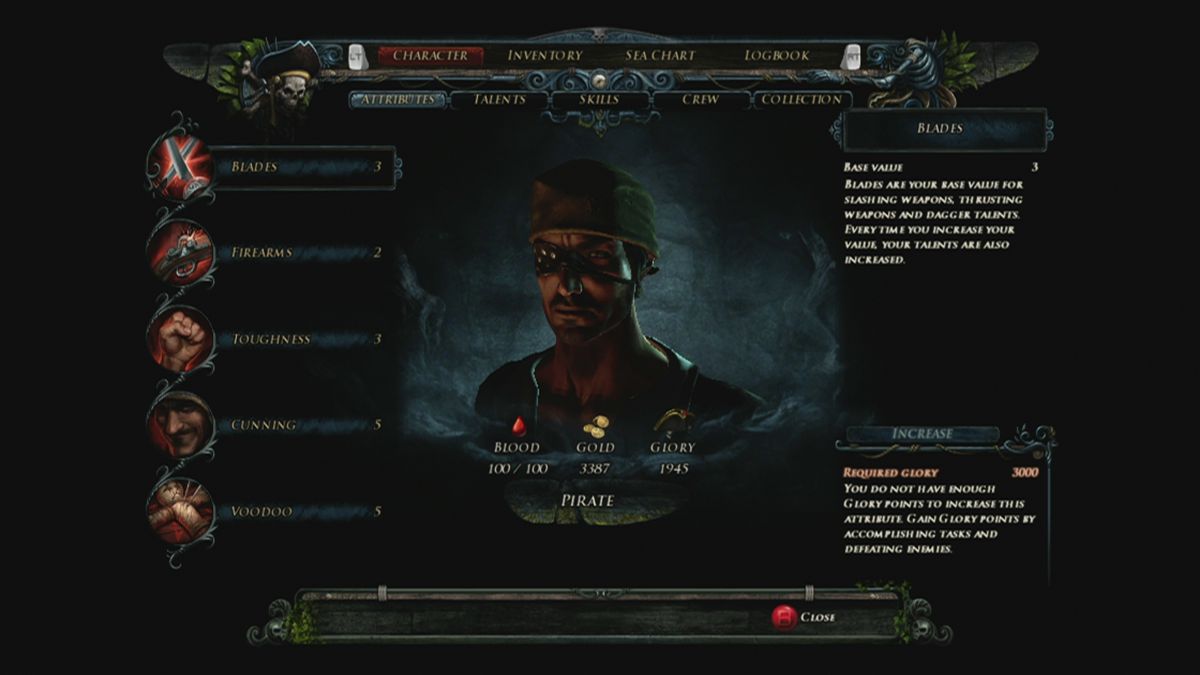
That gradual growth is the best reason to stick with Risen 2. Experience points go into main attributes by hand, while trainers unlock the talents and abilities tied to them. It is a deliberately old-school arrangement: you do not simply level up into a finished build, you decide what kind of problems you want to solve and seek out someone able to teach you. Building toward better gun handling, for instance, matters because pistols and muskets need to cool down after firing. Swords and firearms can be equipped together, so fights encourage you to work at close range and use a shot as part of the exchange rather than treating guns as a limitless answer.
Combat is direct and action-oriented, but it asks for patience. Early on, the gap between the hero’s ambitions and his ability can be frustrating, particularly when the wilderness pushes back harder than expected. AI companions can join you at times and offer welcome help, though the central challenge remains learning when to press an attack and when to come back after improving your character. If you enjoy the scrappy early game of a Piranha Bytes RPG—where every new talent feels earned—this roughness is part of the pleasure. If you want immediate power and clean, breezy combat, it may wear thin.
The quest design gives you more agency than the reduced importance of faction allegiance might suggest. You can accept or turn down quests, and some assignments conflict or resolve in different ways. Conversation skills such as Silver Tongue and Intimidation are especially welcome because they turn character investment into new dialogue responses instead of merely bigger damage numbers. Voodoo also distinguishes this sequel from its predecessor’s approach to magic, leaning into curses and mind control. The result is an RPG that rewards poking at situations from different angles, even if its faction choices no longer carry the weight they did in earlier Piranha Bytes games.
Graphics
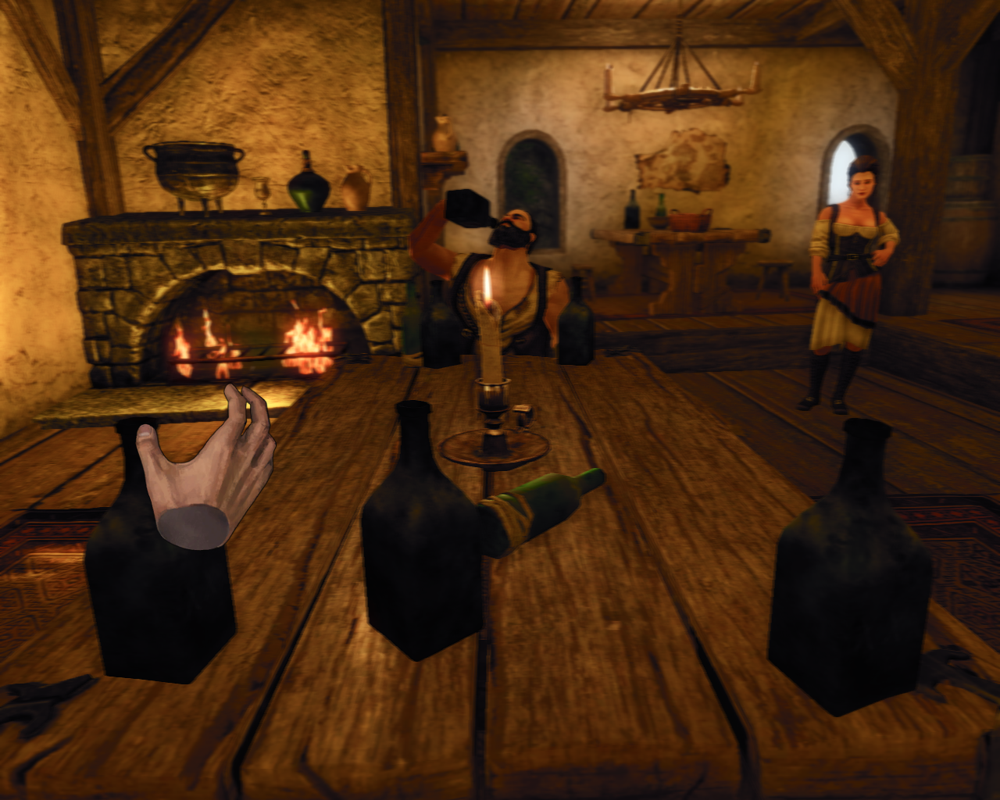
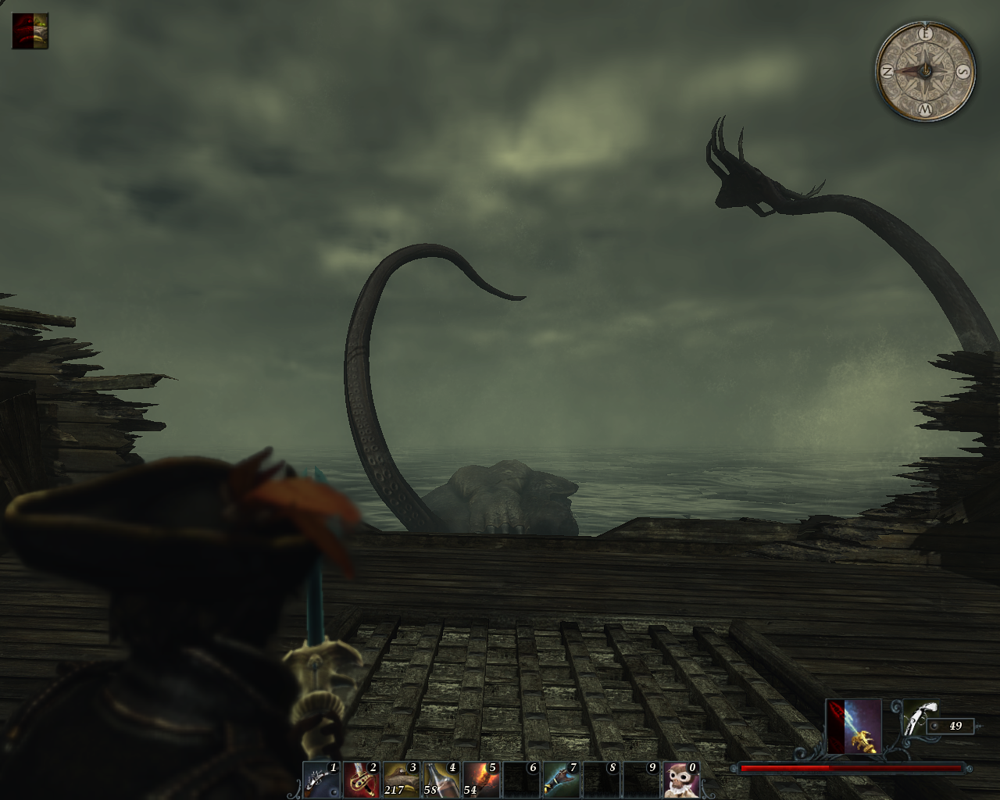
The view stays behind the hero, keeping the focus on island paths, settlements, and the enemies in front of you. Its most concrete visual strength is the setting shift: the game trades a more familiar fantasy frame for Caribbean-style islands, pirate activity, Inquisition outposts, and a world threatened by Titans and the Kraken.
Story
Risen 2 begins from a useful position of desperation. Caldera’s Fortress of Crystal is the last refuge of the Inquisition and Old Empire, supplies cannot safely reach it, and a mysterious cave may be its only protection. Two Titans fighting one another buys a little time, not safety, which gives the hero’s mission an appropriately urgent edge.
The central quest—to find a legendary treasure and perhaps discover how to destroy the Titans—has a broader, more adventurous shape than a simple fortress defense. Sending the returning protagonist across several islands lets the story move between the Inquisition’s survival problem and the pirate world complicating it. The Kraken is not just background lore, either: it is the reason the sea routes have become a disaster and why pirate power matters to the crisis.
Do not expect faction alignment to be the story’s defining dramatic engine. There is still a line between groups, but joining one is less critical than it was in the developer’s earlier RPGs. The more satisfying role-playing comes from individual quests, the choices around accepting them, and dialogue options unlocked through training. That makes the adventure feel less like picking a banner and more like navigating a messy chain of local interests on the route toward a larger threat.
Overall Experience
Risen 2: Dark Waters is a 7.1 kind of game in the most useful sense: it has real personality, meaningful role-playing texture, and enough awkwardness that you need to meet it halfway. The pirate setting is more than a costume change because guns, voodoo, dangerous sea travel, and island-by-island exploration all feed into the adventure’s tone. Once you settle into its pace, each new trainer, skill, and accessible destination gives the journey momentum.
You should give it a chance if gradual exploration, manual character building, and quests with some room for refusal or contradiction sound more exciting than a polished, tightly guided action game. Fans of the first Risen and the broader Gothic-style Piranha Bytes formula will recognize the DNA, even with the smaller role for factions and the revamped magic. Newcomers can enjoy it too, but should go in ready to learn its systems rather than expecting them to flatter you immediately.
The payoff is a distinctive, slightly stubborn pirate RPG where progress feels personal. You begin as someone sent out because the Inquisition is running out of options; by investing in attributes, paying for training, and choosing how to handle problems, you gradually become equipped to face a world of pirates, monsters, and Titans. It is not effortless, but it has the kind of handmade adventuring spirit that makes the setbacks easier to forgive.


Reviews
There are no reviews yet.