 Retro Replay Retro Gaming History, Reviews & Emulation
Retro Replay Review
Gameplay
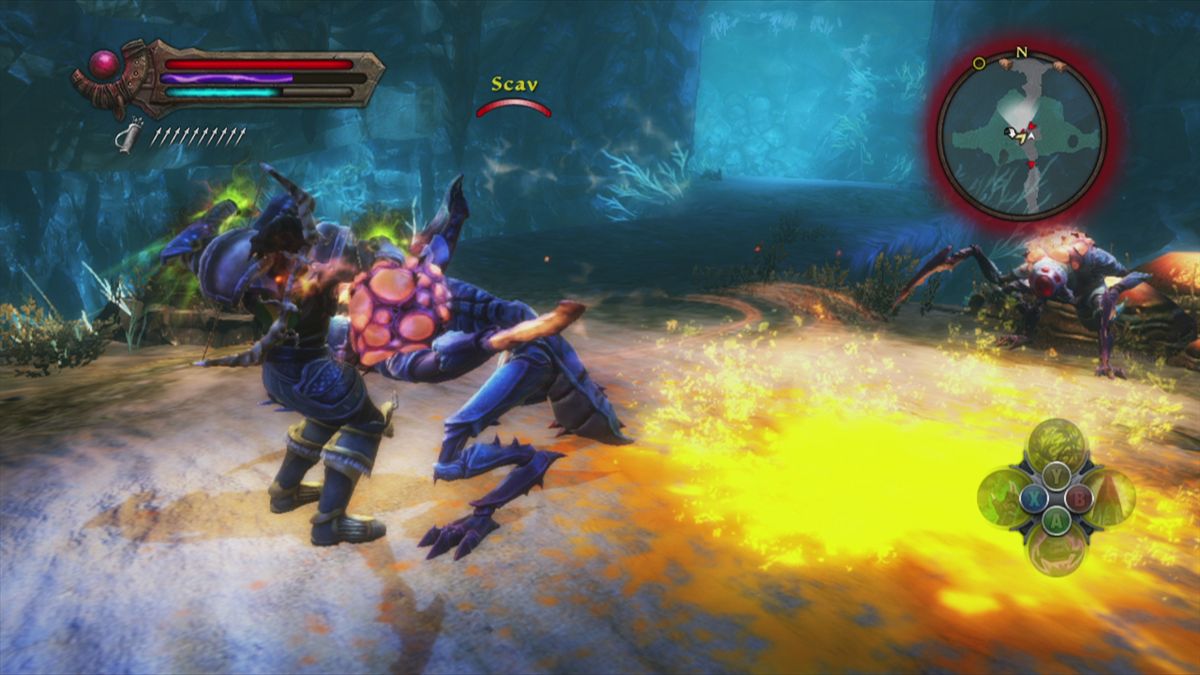
The opening has a good, urgent rhythm: your newly revived character escapes an attack, learns the basics under pressure, and quickly gets into fights that ask you to stay active. Reckoning’s combat has more snap than many RPGs of its era. Blocking and dodging matter when several enemies crowd around you, and using melee, ranged weapons, and mana-based attacks in the same encounter keeps battles from feeling like a series of static exchanges.
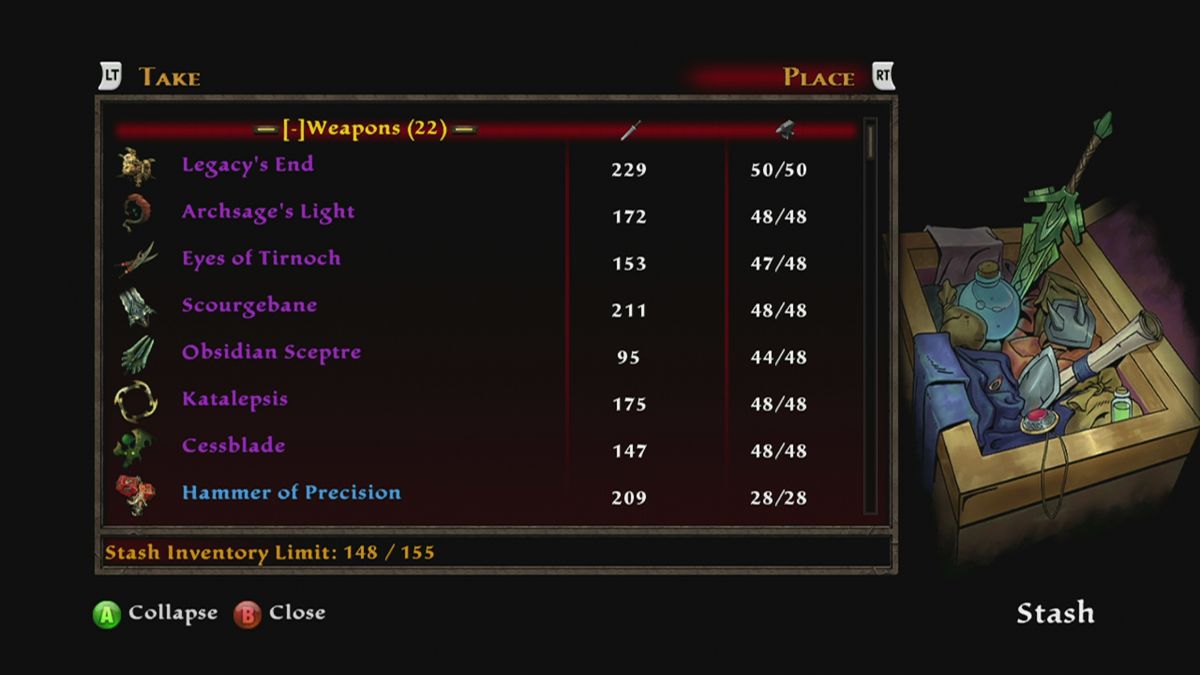
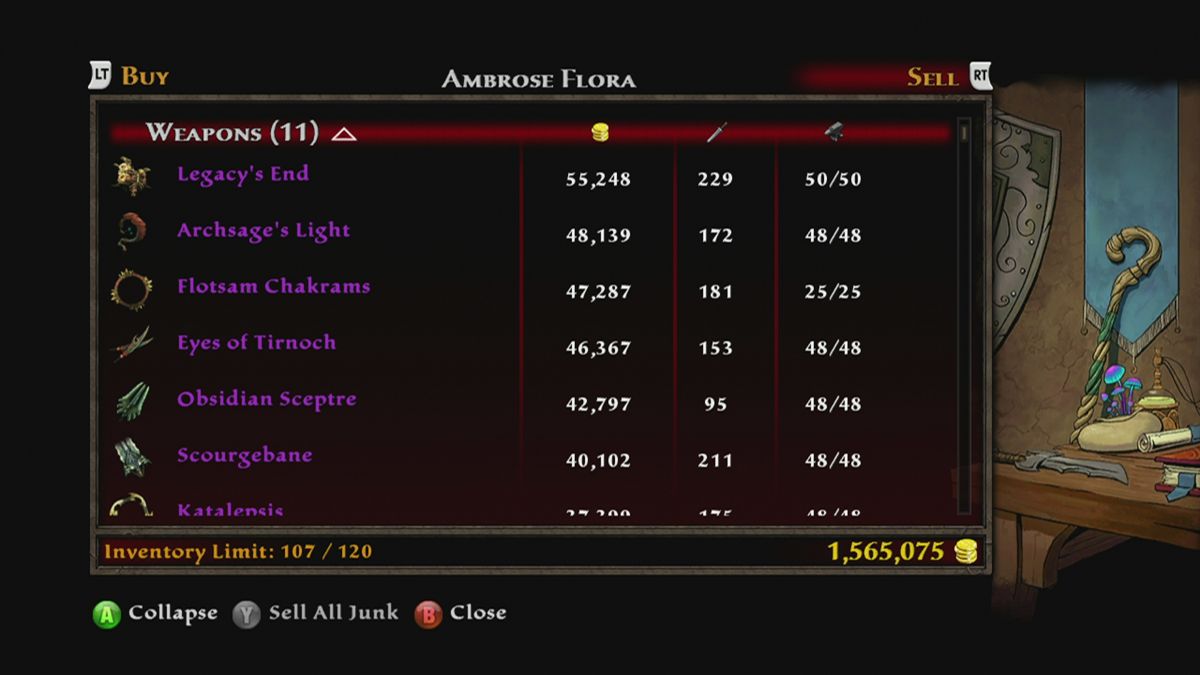
What starts to click is the freedom to mix its three ability paths. Might, Finesse, and Sorcery are recognizable fighter, rogue, and mage lanes, but they do not force you to live in one of them. Carrying a primary and secondary weapon makes experimentation natural, while the skill tree gives your level-ups some real personality. A character built around weapons can still care about alchemy or blacksmithing; a magic-focused build can invest in lockpicking or persuasion. That breadth gives loot, gold, and quest rewards a useful place in your decisions rather than treating them as mere clutter.
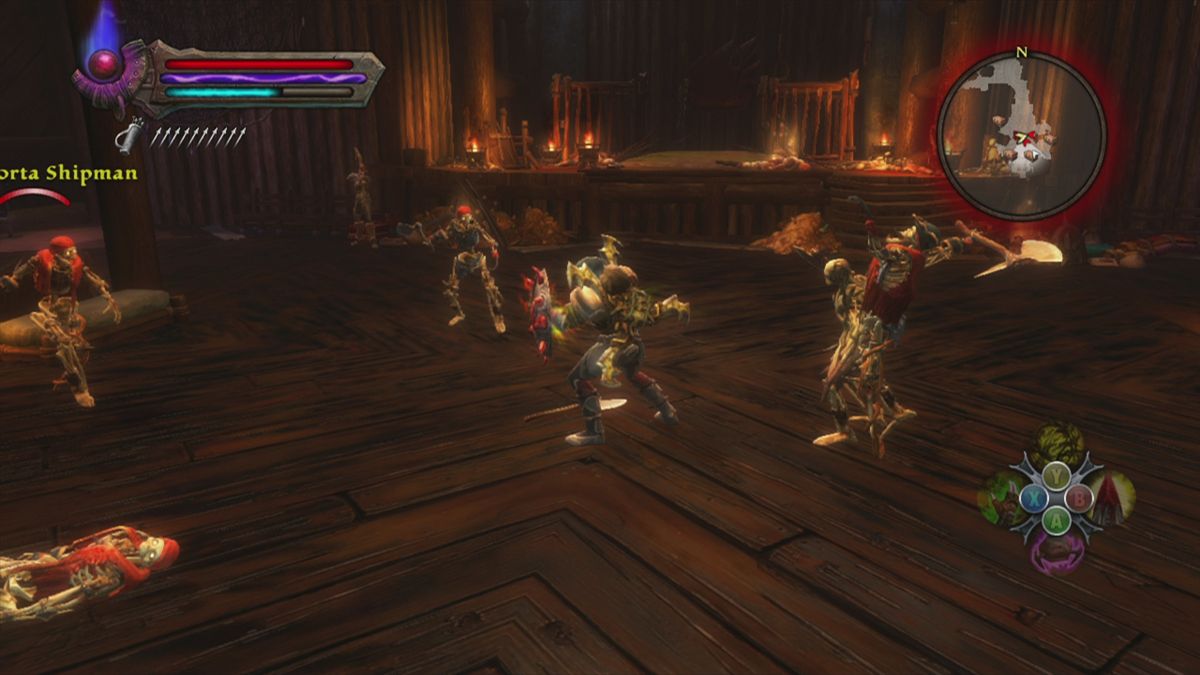
The fighting can become busy, especially when multiple opponents demand attention at once, but the game gives you answers: combos, blocks, dodges, quickslot items through a radial menu, and a rage meter for a punishing burst of offense. Fateshifting an enemy for a cinematic finisher is a satisfying punctuation mark after building momentum. Quick-time-event sequences are less compelling because they interrupt that direct control, yet they are not the heart of the game. The heart is landing on a build you enjoy, then taking it into a broad stream of main quests and side work.
Character creation supports that role-playing pull without making the opening choice feel like homework. You choose gender, one of four human and elven races, a patron god or no patron, and an appearance, with racial bonuses and divine perks adding mechanical consequences. The three-tier progression for skills—basic, advanced, and master—also gives practical reasons to commit to your preferred activities instead of spreading every point too thin.
Graphics
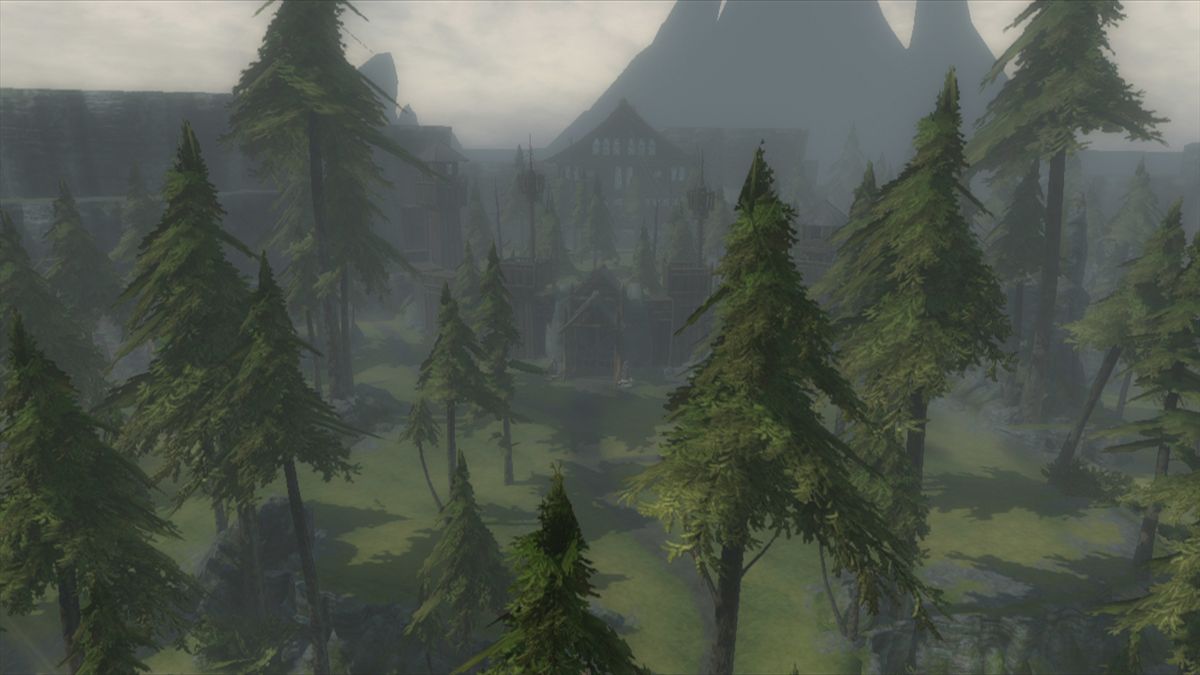
Reckoning uses a third-person camera for exploration and combat, keeping your customized Fateless One, weapon swings, dodges, and groups of enemies in view. Amalur’s locations span several kingdoms, from the magical Faelands to towns where you shop and pick up work, giving the journey more variety than a single battlefield.
Story
You wake in a mass grave with no memory after an experimental Well of Souls brings you back from death. That is a sturdy RPG opening because it immediately makes the character creator and early escape part of the fiction: you are not just choosing a build, you are deciding who this person becomes after losing their past.
The central hook is that the Fateless One alone has escaped fate in a world where everyone else is bound to predestination. The stakes are made more pressing by Gadflow, king of the Winter Court, and his Tuatha Deohn followers, who wage a war the young races seem unable to win because the Fae return after death. Your first goal—finding the scientist Fomorous Hugues—gives the larger conflict a personal starting point before the story widens toward Gadflow and Tirnoch.
Dialogue trees and radial conversation choices let you participate in conversations rather than simply receive exposition, with choices and consequences folded into encounters with NPCs. The plot leans into broad fantasy conflict, gods, war, and prophecy, but the Fateless One’s unusual position outside fate is enough to give it a useful angle. If you want the narrative framing and release history, the game’s reference page is a helpful companion after you have started playing.
Overall Experience
Kingdoms of Amalur: Reckoning is at its best when you stop treating it as a rush to the next story marker. Follow a sidequest, return to town with a full inventory, improve a skill that suits your habits, and test a new weapon or spell combination. Its open structure gradually earns its scale because the core combat is lively enough to carry that repetition.
There is a lot competing for your attention—equipment, abilities, crafting-oriented skills, dialogue choices, faction-sized stakes, towns, and sidequests—and not every element hits with the same force. Still, the game has a generous RPG spirit. You can make meaningful choices about how to fight and how to develop, then watch those choices matter across a long fantasy adventure rather than being locked into a narrow class from the outset.
Give it a chance if you want an action RPG where character-building is as important as reflexes, and where the campaign opens into a sizable world instead of ending after the tutorial’s escape. The combat does the heavy lifting, the build flexibility supplies the staying power, and the fate-defying premise gives your wandering a clear reason. For a related release, see the Kingdoms of Amalur: Reckoning Special Edition.


Reviews
There are no reviews yet.