 Retro Replay Retro Gaming History, Reviews & Emulation

Retro Replay Review
Gameplay
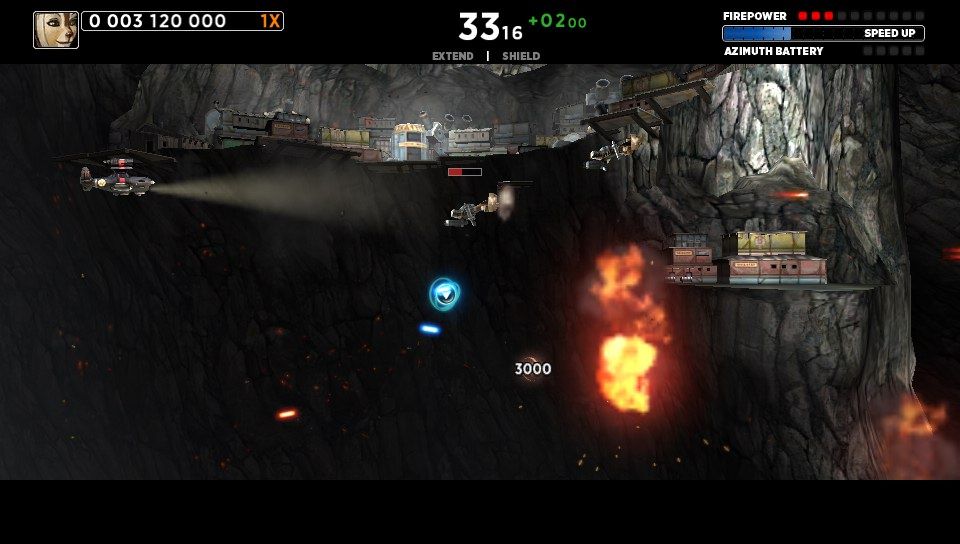
Sine Mora starts with the familiar rhythm of a side-scrolling shooter—move, fire, weave—but its countdown timer immediately changes your priorities. You are not merely protecting a health bar. Every collision shortens the run, while wrecking enemies can put time back on the clock. The result is surprisingly aggressive play: when the screen fills with threats, retreating is not always enough, because you still need kills to stay alive.
That pressure makes the first hour exciting, though it can also be unforgiving when a bad hit costs both time and a precious weapon upgrade. Primary fire grows through nine upgrade steps, but taking damage knocks out a red token that you must quickly reclaim. It is a mean little punishment, especially in a crowded bullet pattern, yet it gives recovery a satisfying physical urgency instead of simply reducing a number in the corner.
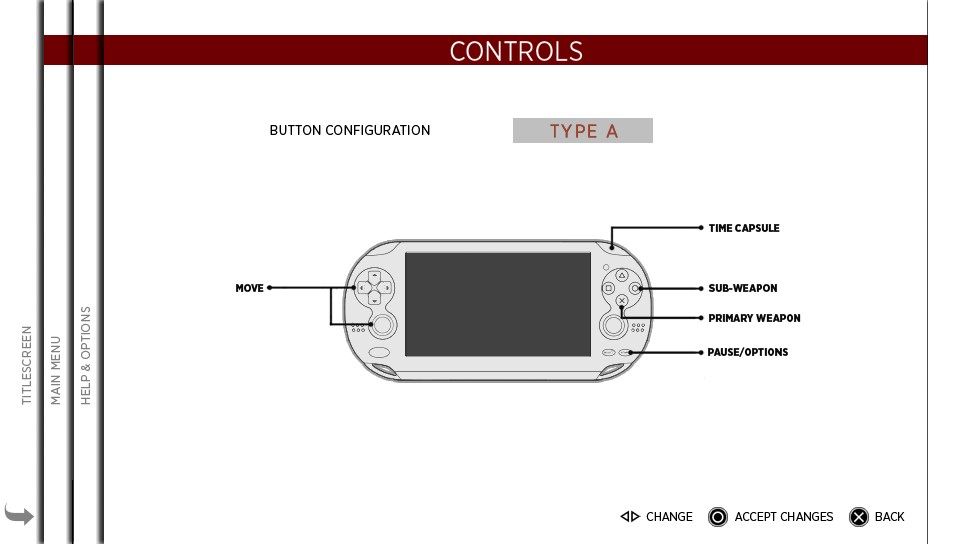
The time capsule is the game’s best safety valve. Slowing the world while your ship continues moving and firing normally gives you a brief chance to thread a seemingly impossible cloud of bullets. It does not remove the need to learn enemy fire, but it stops tense situations from feeling hopeless. Bosses at the ends of stages put that tool under real pressure, with large-scale attacks that demand calm positioning rather than blind panic.
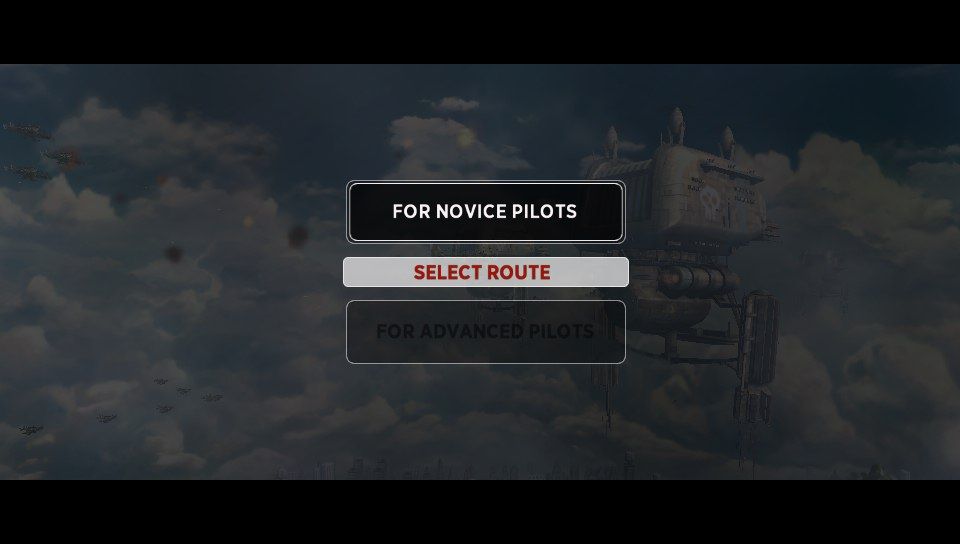
There is depth beyond survival. Primary fire builds a score multiplier, while using a limited-ammo sub-weapon resets it, forcing a choice between safe burst damage and a stronger score run. Arcade and Score Attack give that system room to breathe after Story mode, and route choices can steer a run toward easier or harder stretches. You may bristle at losing a multiplier or upgrade after a mistake, but the game makes its risk-reward logic clear enough that repeat attempts feel purposeful.
Graphics
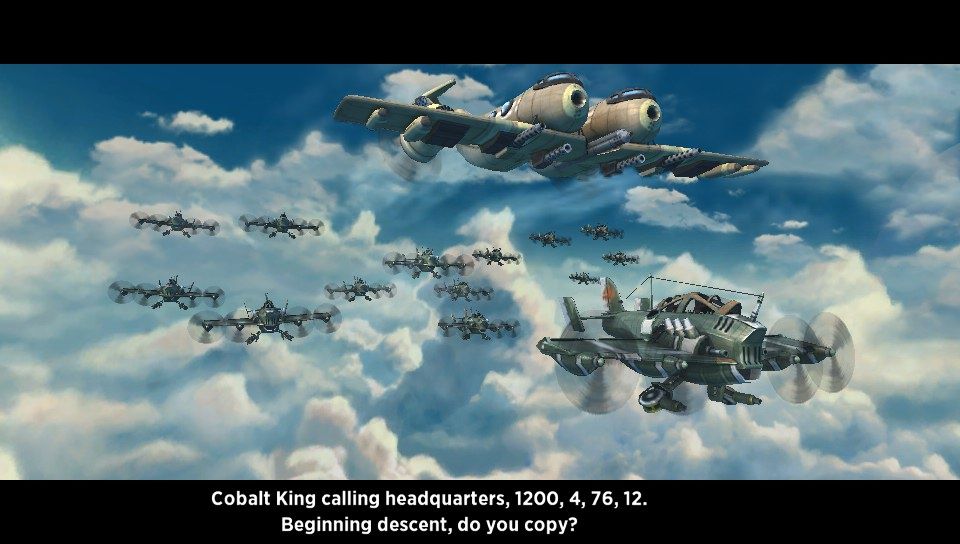
The action plays out on a 2.5D horizontal plane, with the camera sweeping past 3D environments and layered scenery. Floating machinery, robots, and the dieselpunk backdrop give the stages a more unusual look than a standard military shooter, while underwater sections break up the aerial combat.
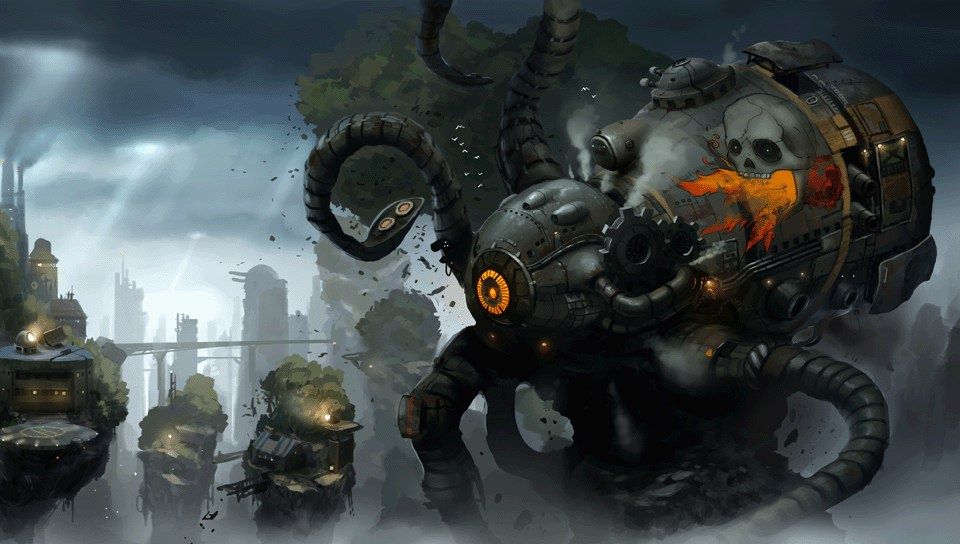
Big end-of-level bosses provide the clearest visual punctuation, filling the play space with large attacks as your small ship darts through the gaps. With so many bullets, enemies, tokens, and upgrades competing for attention, the screen can become busy—but that chaos is part of Sine Mora’s particular thrill.
Story
You fly as Argus Pytel, one of a partisan team attempting to infiltrate Syriad, a floating fortress. Their target is Ronotra Koss, who has smuggled robots and kidnapped a girl of great importance. It is a direct framework for the missions, but the story’s real value is the strange machinery-and-fortress setting surrounding the action.
The premise fits the game’s urgency: you are pushing into hostile territory under constant pressure, not wandering through a broad adventure. If you want further game history and release context, the Sine Mora overview is a useful companion. In the game itself, the story is less likely to be the reason you return than the tense mechanics wrapped around it.
That is not a flaw so much as a matter of emphasis. The narrative gives the fights a concrete mission and a distinctive opponent, while the timer, route decisions, and bosses carry the emotional weight from moment to moment.
Overall Experience
Sine Mora earns its reputation by making a bullet hell shooter feel urgent in a different way. The timer system means a run can turn from controlled to desperate quickly, but it also lets you claw back from trouble by staying active. That push-and-pull is more memorable than a conventional health-bar system, and the time capsule provides just enough breathing room to make difficult patterns feel learnable.
Frustration will set in if you want a relaxed cruise through elaborate stages. Hits have consequences beyond immediate danger, bosses can force repeated learning, and the scoring rules make powerful sub-weapons feel like a tempting compromise rather than a free advantage. Still, none of that feels arbitrary: the game consistently asks you to weigh survival, score, and momentum.
Give it a chance if you like shooters that reward both quick reactions and repeat-run refinement. Its dieselpunk locations, 3D layered stages, underwater detours, and enormous bosses make each run visually distinctive, but the timer is what keeps you locked in. Sine Mora is demanding, inventive, and well worth replaying once its anxious rhythm starts to click.


Reviews
There are no reviews yet.