 Retro Replay Retro Gaming History, Reviews & Emulation
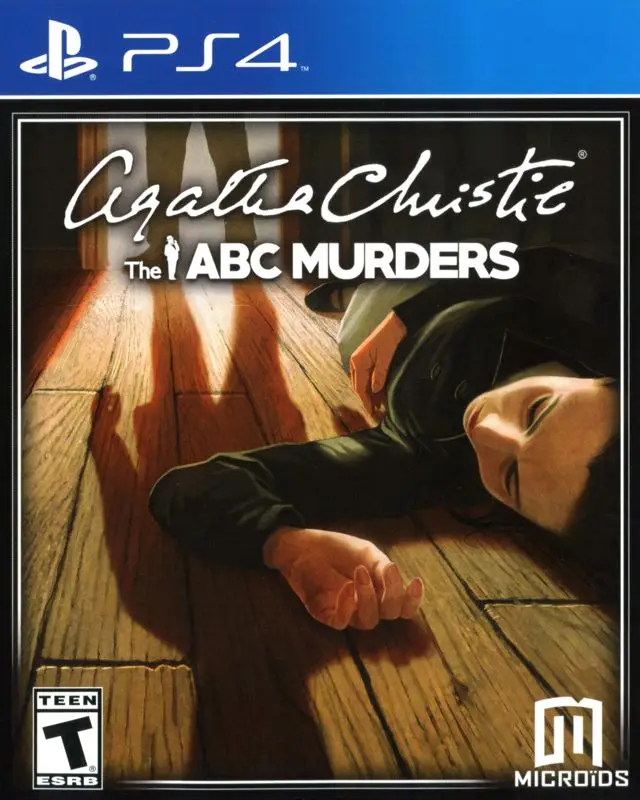
Game Overview
Gameplay
You begin by doing the things a Poirot game ought to ask of you: combing through crime scenes, studying people closely, and picking apart the little inconsistencies that others overlook. Most of the case unfolds through point-and-click investigation, with hotspots scattered through rooms and other locations. The pace is calm rather than urgent, so it works best when you are in the mood to linger over a clue instead of racing toward a solution.
The observation sequences are the most satisfying recurring idea. Poirot makes a statement about a person or place, and you must identify the details that prove his point. That gives simple hotspot hunting a bit more purpose, since you are matching evidence to a line of reasoning rather than blindly sweeping a cursor around the room. Conversations also ask you to keep Poirot in character for extra information and bonus points. You can fumble an interrogation without ending the investigation, which is forgiving, though it also reduces the tension of a bad read.
Deduction mode gives the game its clearest detective-game spark. Linking evidence on Poirot’s mental map feels appropriately methodical, even if it lacks the possibility of arriving at a wrong final conclusion. Reconstructions are more demanding in a different way: you choose how a timeline proceeds, and an incorrect choice sends you back to the start. The separate mechanical puzzles, including objects you rotate and manipulate to uncover hidden parts, break up the conversations and searches nicely. They are generally accessible rather than brain-bending, and traditional inventory puzzling is kept to a minimum.

Graphics
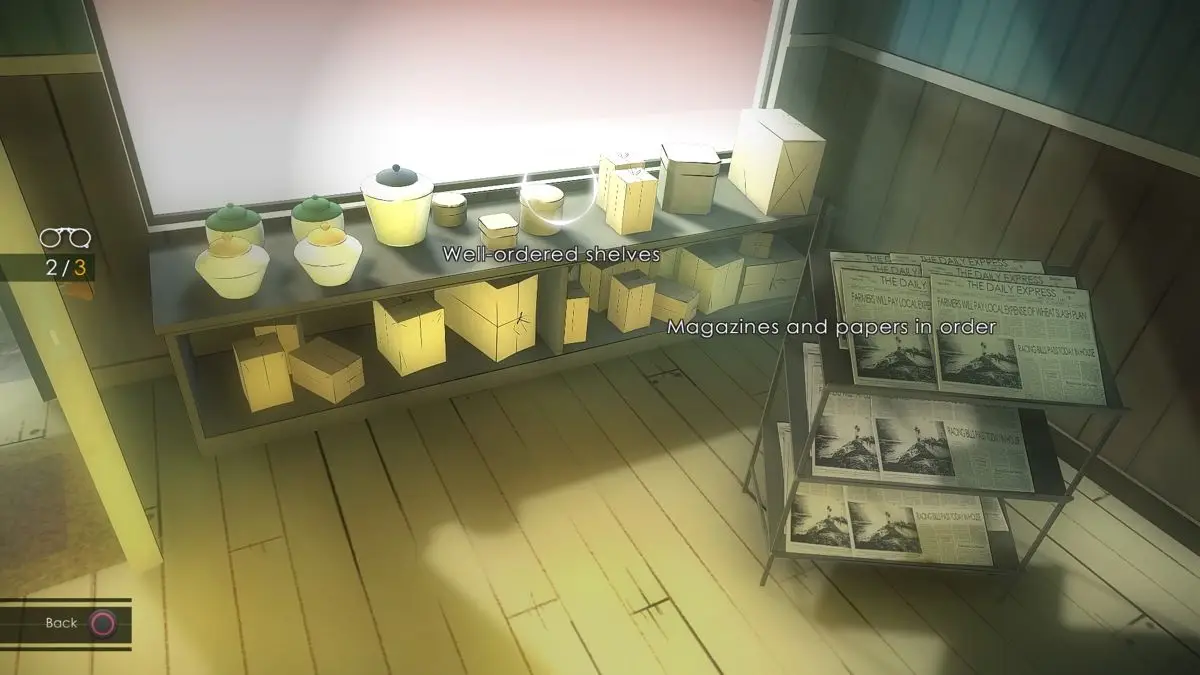
The PlayStation 4 game uses clean, stylized 3D interiors with a slightly toy-like look. A bedroom crime scene has warm pink walls, striped wallpaper, dark wood furniture, and a large bed that makes the scattered evidence easy to notice, while Poirot stands out in his neat suit. The shop interior is plainer, but its shelves of jars, boxes, and newspapers give the observation scenes a convincing clutter. Lighting can wash parts of a room in bright glare, and character detail is modest, yet the locations are tidy and readable enough for close investigation.
Story
The familiar ABC Murders setup is an excellent fit for an adventure game: a serial killer stages murders around the alphabet and needles Poirot with letters, while Hastings accompanies him through multiple English locations. The premise supplies a dependable reason to keep following each new lead, and Poirot’s need to parse behavior as carefully as physical evidence suits the source material. This is a mystery you play for the pleasure of the investigation, not for dramatic freedom to reshape its outcome.

Overall Experience
This is an agreeable, old-fashioned detective game that understands why the Christie name matters. You get to inspect rooms, test observations, question suspects, and assemble a case through several light puzzle formats. It does not demand superhuman deduction, but it rarely leaves you doing exactly the same thing for too long.
Its biggest limitation is that the game often cushions failure. Botched interviews do not stop the case, deduction mode does not permit an incorrect conclusion, and even the reconstruction challenges merely reset you after a mistake. That makes the game welcoming, especially if you want the story to keep moving, but seasoned adventure players may wish the consequences had more bite.
Give it a chance if you enjoy Poirot, want a manageable mystery, or prefer clues and conversations to obscure inventory logic. The payoff is a comfortably paced adaptation with enough investigative texture to feel more involved than simply watching the case unfold. If you want a detective game that truly tests your ability to make or live with wrong calls, this one may feel too safe, but it remains a solid way to spend time in Poirot’s company.


Reviews
There are no reviews yet.