 Retro Replay Retro Gaming History, Reviews & Emulation
Retro Replay Review
Gameplay
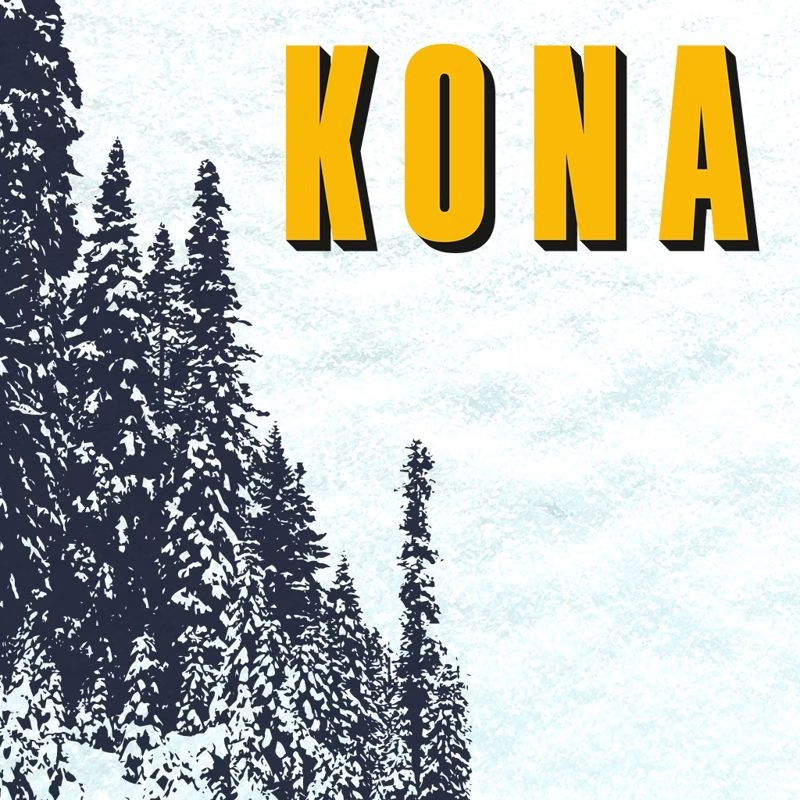
Kona starts with a wonderfully uncomfortable premise: you are a private detective who has come north for a vandalism case, only to get stranded in a blizzard with nobody around to question. That empty-space tension gives even ordinary exploration a purpose. You are not simply wandering a cold map looking for collectibles. You are trying to work out why Atamipek Lake has gone quiet, and each new location has the potential to change your read on the case.
The survival side gives the investigation some needed friction. The deep north is not a backdrop you can casually sprint through, and the battle against the elements helps make the town’s isolation feel physical. Vehicles, including a snowmobile and truck, fit the setting rather than feeling tacked on. They give the journey across the frigid area a sense of scale while keeping you focused on the next lead.
This is a slow-burn detective game first, so the best advice is to meet it on that wavelength. If you need rapid-fire confrontations or constant mechanical surprises, the measured searching and clue-following may feel restrained. But Kona earns its pace when the quiet starts feeling ominous instead of empty. Its puzzles and investigative work are strongest when they make you reconsider the people and places behind this seemingly simple vandalism job.
Graphics
Kona leans into a vintage 1970 rural look, with a snow-choked Northern Canadian landscape carrying much of the mood. The whiteout conditions, deserted village, and hunting-manor setting give the game a stark, wintry image that suits a mystery where the cold seems to have swallowed every witness.
Story
Carl Faubert is a good fit for this particular kind of mystery because he arrives with a clear, grounded assignment. W. Hamilton, a wealthy industrialist, wants answers about vandalism at his property. Then Faubert cannot find Hamilton, cannot find any other living residents, and has to make sense of events that are increasingly hard to explain.
The story’s real hook is its duality. Kona grounds itself in 1970 Northern Canada and an industrialist’s reports of vandalism, then allows dying folklore and surreal happenings to creep into the cracks. That mixture gives the game more flavor than a standard abandoned-town thriller.
An omniscient third-person storyteller gives the tale a distinctive, almost campfire-story quality. That choice will either pull you closer or keep you slightly at arm’s length, depending on how much you like a narrator shaping the tone. For me, it fits the setting. This is not just a case file, but a strange regional legend unfolding in the snow. The official Kona publisher description captures that mix of investigation, survival, and folklore well.
Overall Experience
Kona is worth playing for atmosphere as much as answers. The snowstorm, the missing town, and the escalating sense that reality has shifted beneath Carl’s investigation create a tension that more expensive mysteries often struggle to sustain. Its blizzard and deserted village give that investigation an unsettling setting.
Its deliberate rhythm is the main dividing line. You need to enjoy searching, traveling through harsh conditions, and sitting with uncertainty. The game does not sound built to flatter impatient play, and treating it like a conventional action game would miss what it is trying to do.
For the right mood, though, Kona has real staying power. It is a compact-feeling detective tale with enough survival pressure to keep the cold relevant and enough supernatural unease to make every explanation feel provisional. Give it a chance if you want a thoughtful, wintry mystery that values dread and curiosity over speed.


Reviews
There are no reviews yet.