 Retro Replay Retro Gaming History, Reviews & Emulation


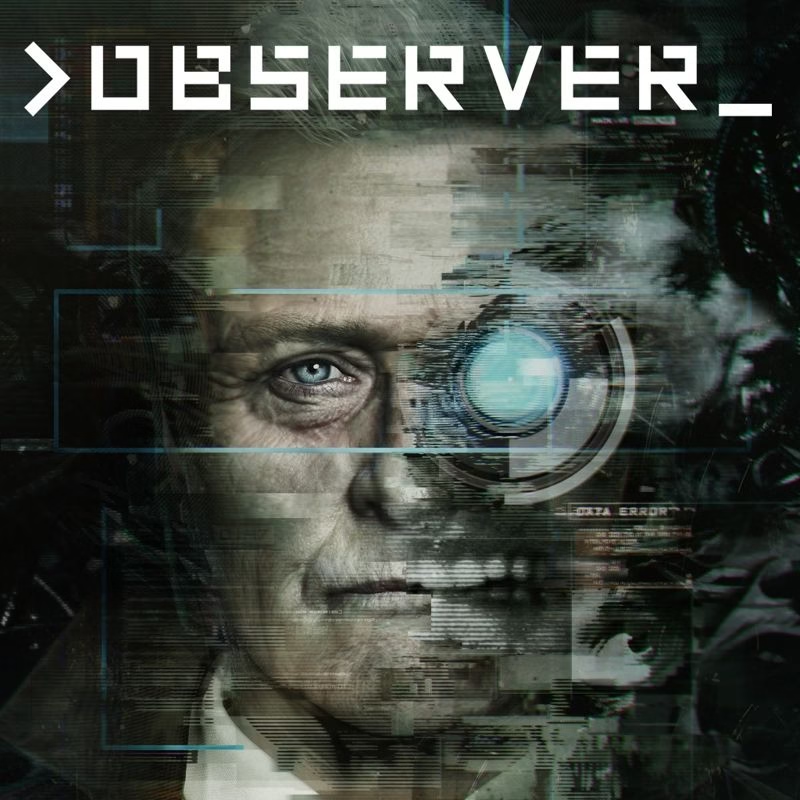
Retro Replay Review
Gameplay
>observer_ starts by putting you in the uncomfortable shoes of Daniel Lazarski, an Observer whose job is part detective work and part sanctioned violation of other people’s minds. You move through a decaying apartment building and its surrounding misery from a first-person view, speaking with residents, following leads, and examining evidence as an investigation pulls you deeper into Kraków’s rot. It is a slower, more deliberate kind of horror game, one that wants you to absorb the tension in a hallway or a conversation before it asks you to confront something stranger.
The mind-infiltration premise is where the game separates itself from a standard sci-fi mystery. Lazarski uses the Dream Eater to enter the memories of the dead and dying, and these sequences turn trauma and fear into surreal places you must navigate for clues. The uncertainty is the point. You are not simply collecting evidence; you are moving through someone else’s broken perspective, where a useful detail can be tangled up in panic, guilt, and nightmare imagery.
That approach will click if you enjoy investigation games with a strong authored mood and horror that favors discomfort over action. If you need constant momentum or cleanly bounded puzzle spaces, the measured exploration and dream logic can become frustrating. Still, the case has enough forward pull to reward patience, especially once it begins connecting Lazarski’s professional role to the uglier implications of a world where memories can be searched like files.

Graphics
The first-person view makes Kraków feel close and claustrophobic. Interiors are cramped, grimy, and dim, with sickly green-blue light from screens and harsh fluorescent strips cutting through the darkness. When Lazarski speaks to the landlord, the man’s sweaty, worn face, undershirt, and mechanical-looking arm immediately make the building feel inhabited by people who have been ground down by the city.
Digital interference and translucent diagnostic imagery layer over the view, reinforcing the sense that Lazarski experiences the world through invasive technology. The look is dirty and oppressive rather than sleek: cables, old equipment, shadowed rooms, and electronic color give the future a convincingly exhausted texture.

Story
The mystery works because it treats its cyberpunk ideas as personal violations, not just cool background decoration. Privacy is effectively gone, corporate power hangs over daily life, and Lazarski’s ability to invade a suspect’s consciousness makes him useful, feared, and morally compromised. Every memory dive carries the uneasy question of what it means to force your way into somebody’s final thoughts.
Rutger Hauer gives Daniel Lazarski the weary authority the role needs. His performance lends gravity to a detective who has seen too much and still has to keep digging, even when the evidence becomes deeply disturbing. That voice is a major reason the game’s dense, bleak dialogue lands as noir rather than empty genre posturing.
The story is at its strongest when it lets the investigation expose the desperation of ordinary people living under decay, paranoia, digital plague, and corporate rule. It does not offer a comforting future, and it should not. This is a horror mystery built around the idea that technology can preserve memories without preserving dignity.
Overall Experience
>observer_ is a memorable cyberpunk horror game because its central premise has real teeth. Searching a room is one thing; entering a stranger’s fear, regret, and dying recollection is another. The game consistently uses that distinction to make its detective work feel invasive and uneasy.
You should give it a chance if you value atmosphere, psychological horror, and stories that let a setting’s social cruelty matter. Its methodical pace asks for attention, and its nightmare sequences are intentionally disorienting, so it will not be the right fit for someone looking for a brisk action-horror ride. Go in ready to linger in the grime and let the mystery unfold at its own unsettling speed.
The payoff is a focused descent into a future where memories are evidence and consciousness is no longer private. Bloober Team’s world is harsh, grimy, and often unnerving, but Lazarski’s investigation gives that misery purpose. Even when the game tests your patience, its atmosphere and Hauer’s performance make it difficult to shake.



Reviews
There are no reviews yet.