 Retro Replay Retro Gaming History, Reviews & Emulation


Retro Replay Review
Gameplay
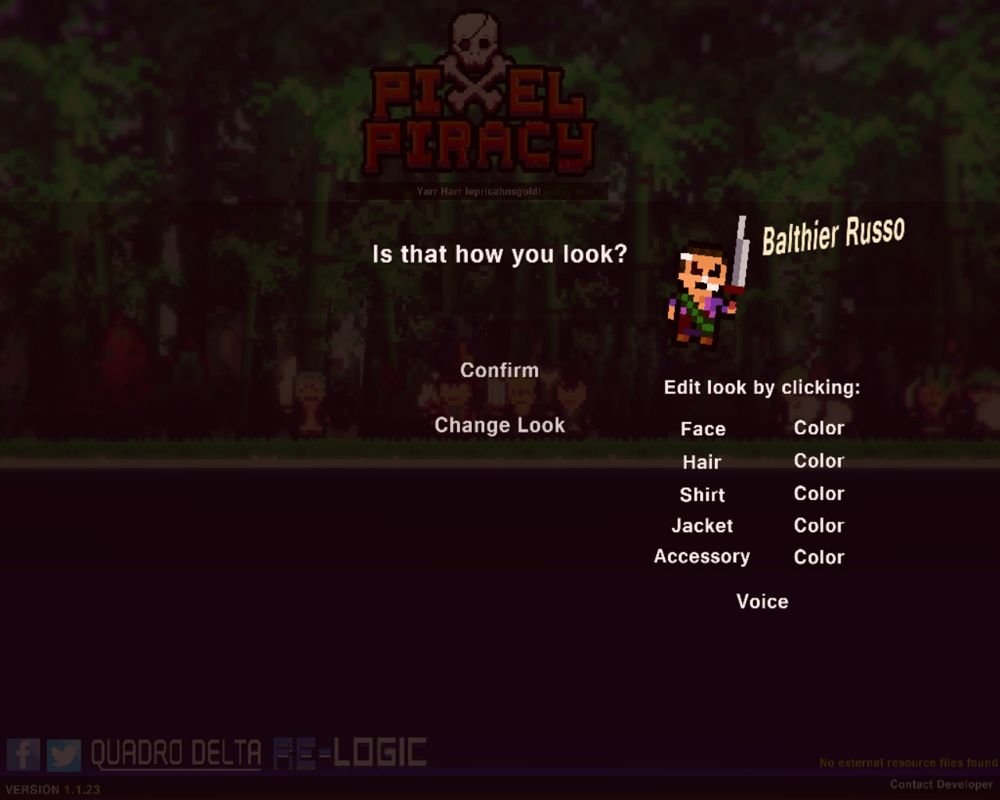
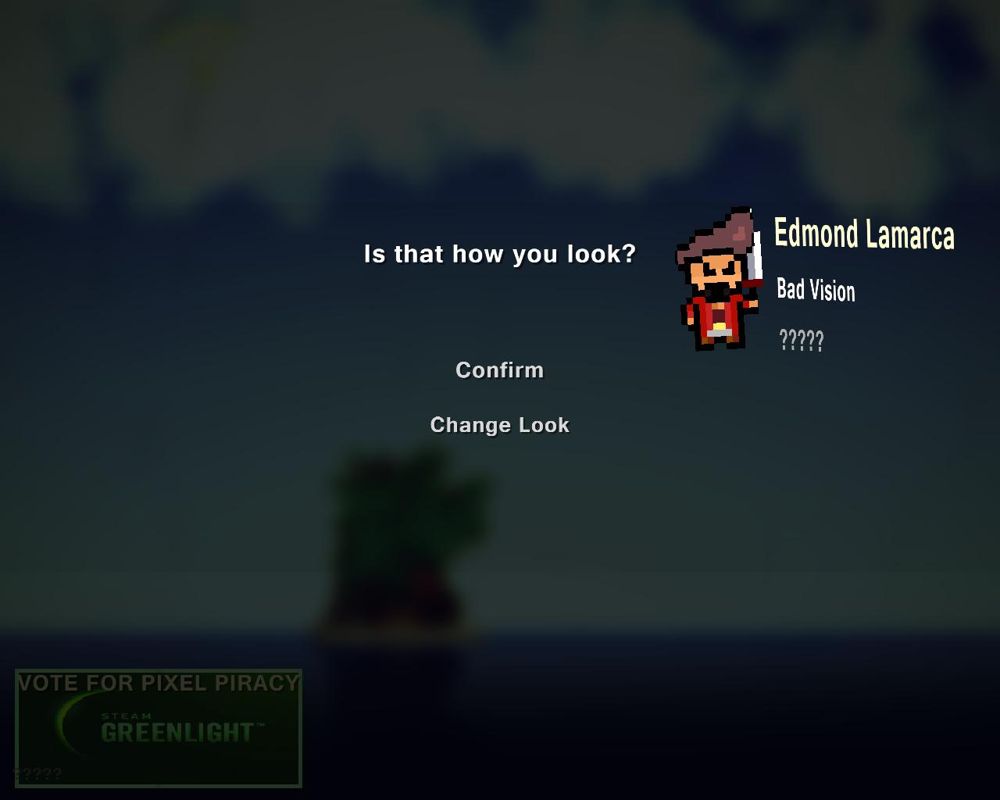
The first hour of Pixel Piracy is a pleasing scramble. You begin by shaping a captain and a random world, then immediately face the practical pirate problems: finding crew, building a ship, and deciding when you are ready to sail toward another island. It is a game that makes preparation feel like part of the adventure rather than a pause before it.
What starts to click is the crew-management layer. Each pirate brings a profession, two perks, and morale, so hiring is more than filling empty spots. Positive traits can make a recruit enticing, while negatives such as greed give you a reason to think twice. Food and wages are not background numbers; neglect them long enough and morale can fall into mutiny territory. That constant pressure makes a bigger crew feel powerful, but never free.
The random world setup gives each new attempt a different starting point, and the open-world structure supports the fantasy of roaming from island to island in search of opportunity. There is a satisfying tension between pushing onward for plunder and making sure your ship and people can survive the consequences. If you like strategy games where a bad personnel decision can haunt an otherwise promising run, this is the hook.
Frustration is built into the bargain. A captain death means permadeath, so one failed expedition can wipe away the crew and ship you have been tending. That makes Pixel Piracy a harsher recommendation for anyone who wants a relaxed pirate romp or predictable progress. For the right mood, though, the risk turns ordinary errands—feeding sailors, covering wages, choosing recruits—into decisions that matter.

Graphics
Pixel Piracy uses a 2D side-view perspective, keeping the focus on your captain, crew, ship, and the islands you sail out to investigate. It is a straightforward angle for following the action and keeping tabs on the small pirate outfit you have assembled.
Story
This is not a pirate tale built around a fixed hero’s journey. The story comes from the career you make for your captain: the initial choice of perks, the crew members you decide are worth their cost, and the islands you choose to visit.
That approach fits the subject well. A greedy recruit, a pay dispute, or a morale collapse can become the memorable detail of a run because it changes what happens next. You are not being handed a legend; you are trying to keep one alive long enough to earn it.
The downside is equally clear: if you need authored characters and a tightly directed plot to carry you forward, Pixel Piracy may feel thin. Its drama depends on how much you enjoy turning systems and setbacks into your own sea stories.
Overall Experience
Pixel Piracy has the right instinct for pirate strategy: success is not merely reaching the next island, but keeping a volatile little crew fed, paid, and loyal while you do it. The captain-and-crew setup gives its exploration a useful human cost, and the randomly created world keeps a fresh run from feeling entirely preordained.
It is most rewarding when you accept that setbacks are part of the voyage. Permadeath means you should not expect every expedition to become a long, smooth campaign, and mutiny ensures that simply accumulating pirates is not automatically smart. The game asks you to manage consequences, not just chase loot.
Give it a chance if the thought of running a fragile pirate operation sounds more exciting than commanding a polished armada. You will get more out of it if you enjoy real-time tactical pressure, randomized starts, and stories made from things going slightly wrong. If losing a captain after investing in a crew sounds more exhausting than thrilling, its sharpest feature will also be its biggest barrier.



Reviews
There are no reviews yet.