 Retro Replay Retro Gaming History, Reviews & Emulation
Retro Replay Review
Gameplay
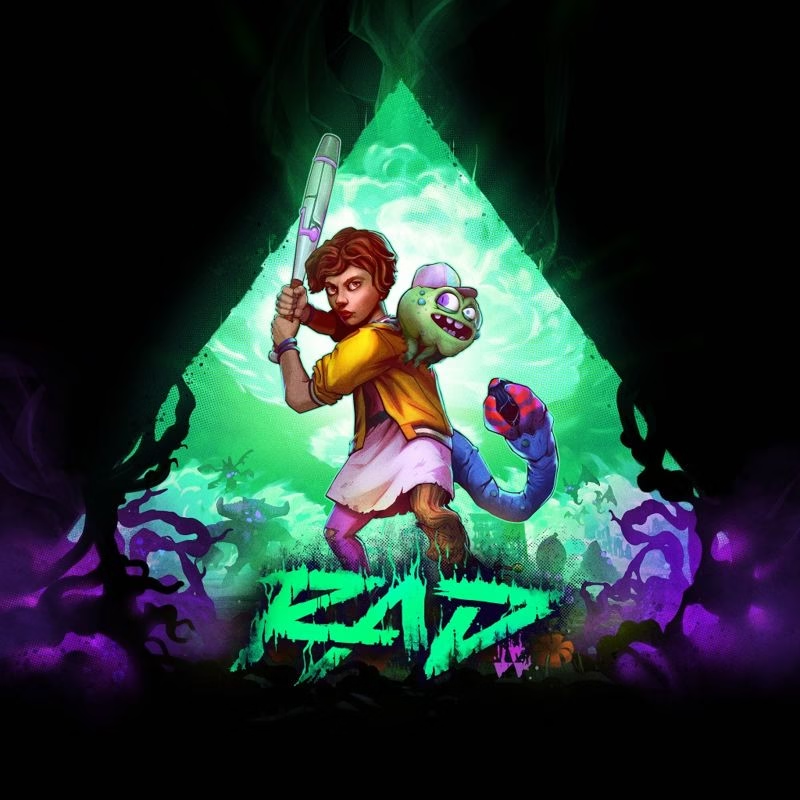
RAD gets you moving quickly: grab the bat, enter the Fallow, and start fighting through a radioactive world that changes from run to run. The immediate hook is not subtle, but it works. You are a teenager with a blunt weapon facing creatures in a wasteland, and the game understands that this is a good starting point for fast, physical action.
What makes the run-to-run structure more interesting is the way radiation changes you. Venturing farther exposes your character to toxins, but that danger also brings mutations and new abilities. It is a smart fit for a roguelike because power does not feel like a clean upgrade path. You are accepting a strange transformation in exchange for a better chance against whatever is waiting ahead.
That same unpredictability can become a source of friction. RAD asks you to roll with the consequences of each journey instead of carefully executing one reliable plan, and some runs will naturally feel more promising than others. Give it a chance if you like adapting under pressure and finding value in oddball builds. You may bounce off it if a roguelike structure is your least favorite part of the genre.
Graphics
The action is framed from a diagonal-down, third-person viewpoint, with scrolling environments carrying you through the Fallow. The character’s increasingly mutated form gives the journey a suitably weird focal point.
Story
This is a post-post-apocalypse, meaning humanity has already survived armageddon twice before you pick up the bat. That deliberately excessive setup gives RAD a playful edge. It is not asking you to mourn a pristine fallen world. You are trying to help salvage what is left after disaster has already become history.
Your trip into the Fallow gives the premise its stakes. The wasteland is radioactive, hostile, and filled with unknown creatures, while the cost of saving humanity is written directly onto your own body. Each mutation makes the central trade clear: you can become more capable, but less recognizably human.
The story works best as fuel for the action rather than a reason to expect a carefully plotted drama. The teenage hero, the trusty bat, and the escalating bodily mutations make for an enjoyably scrappy adventure framework. For the official setup behind that premise, the publisher’s RAD description captures its gleefully strange end-of-the-world attitude.
Overall Experience
RAD has a good instinct for turning a bleak setting into a lively action-game problem. The Fallow is dangerous, but the game gives you a reason to keep pushing: the next stretch may change your character in a way that makes the whole run more exciting. That tension between contamination and empowerment is its strongest idea.
Its rougher edge is that roguelike randomness and repeated excursions demand patience. When a run clicks, the mix of bat combat, survival pressure, and mutations sounds like exactly the kind of strange momentum this premise needs. When it does not, the road back into the wasteland can feel like another obstacle rather than an invitation.
RAD is worth your time if you want an offbeat action roguelike with a darkly playful apocalypse and a willingness to let your build get weird. It is less persuasive for anyone seeking tightly controlled progression or a story-led adventure, but its central transformation hook gives it more character than a standard wasteland crawl.


Reviews
There are no reviews yet.