 Retro Replay Retro Gaming History, Reviews & Emulation
Retro Replay Review
Gameplay
The opening hour of Reus is easy to get pulled into. You direct a forest, mountain, ocean, and swamp giant around a planet, laying down the resources that let human settlements take root. There is a satisfying sense of authorship in placing the first useful food source or mineral deposit and watching a settlement begin to grow from the conditions you created.
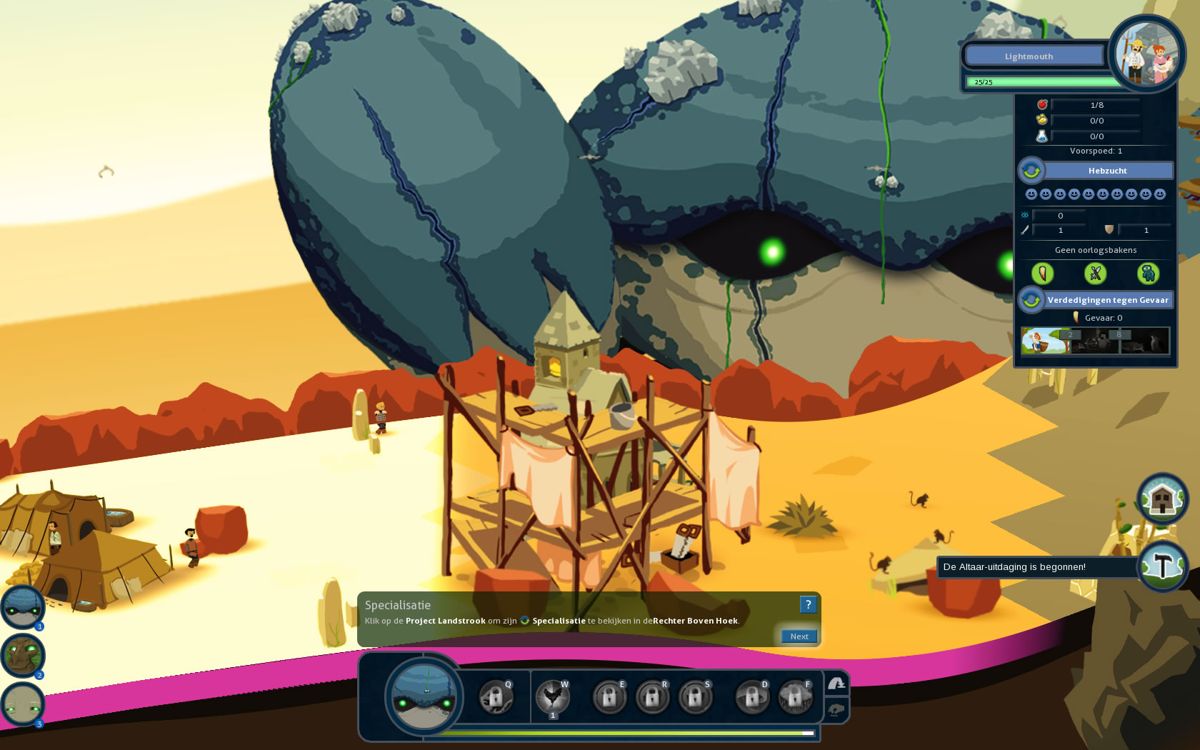
What makes the strategy more interesting than a simple build-up game is the symbiotic relationship between the giants. Each one brings different plants, animals, and minerals, while aspects let you upgrade what they create. The enjoyable part is not merely making a settlement bigger; it is working out how one giant’s contribution can make another’s more valuable. When that chain comes together, Reus feels clever in a very hands-on way.
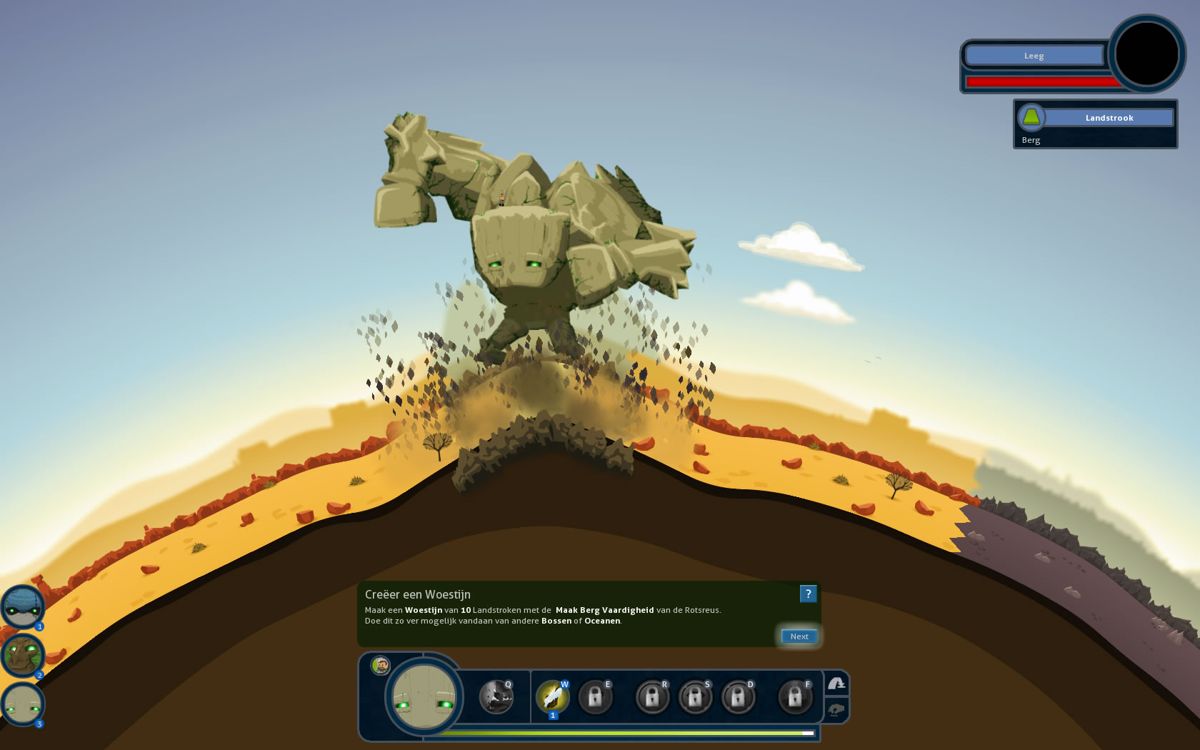
Frustration can set in when your success creates a new problem. Humans can become greedy and attack other settlements, forcing you to step in with the giants’ destructive natural powers. That tension gives the game teeth: generosity is not automatically the correct answer, and a flourishing civilization can demand correction. If you enjoy strategy games that make you balance growth with restraint, this is a thoughtful hook rather than an annoyance.
Graphics
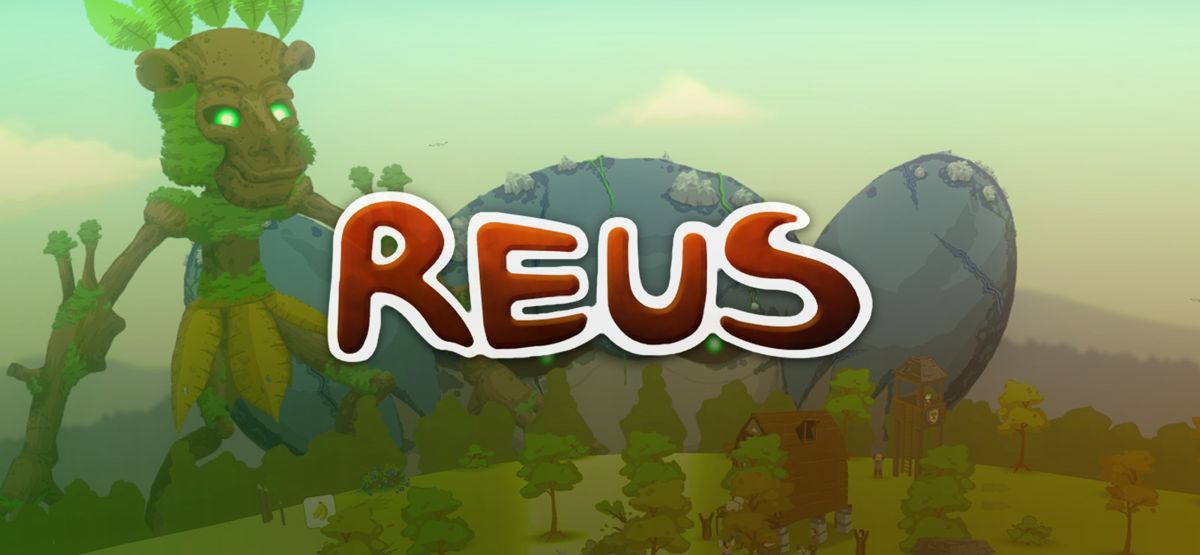
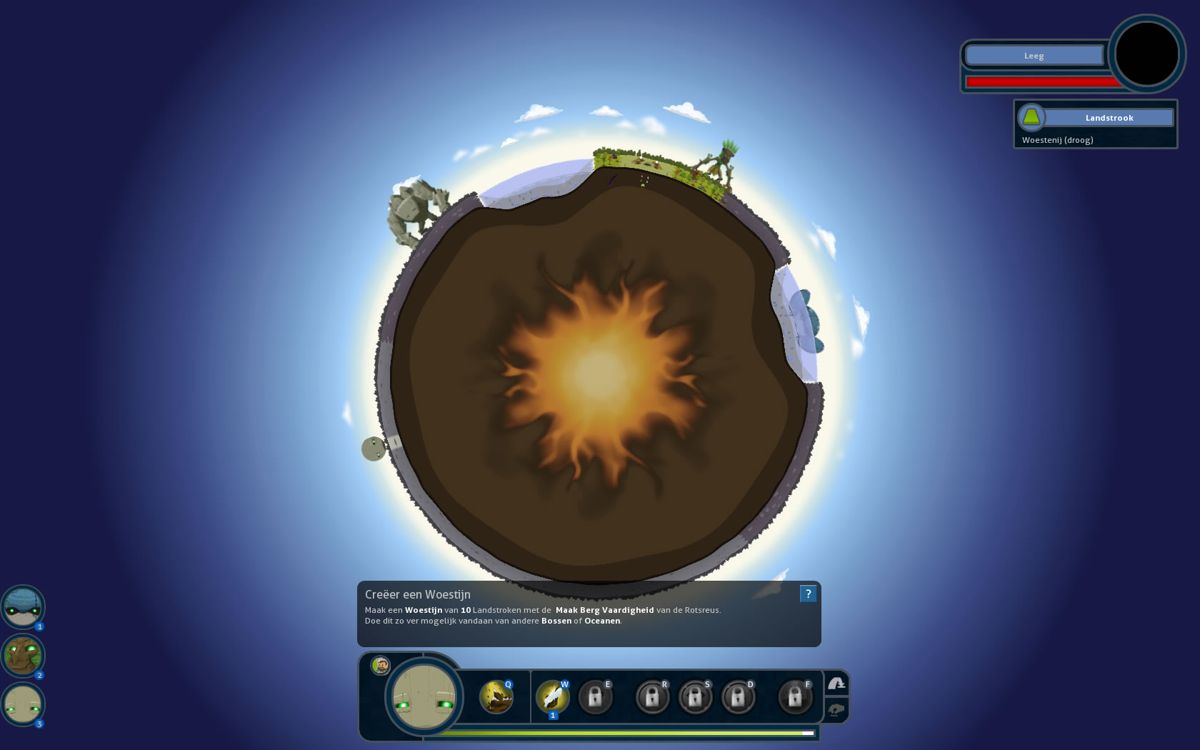
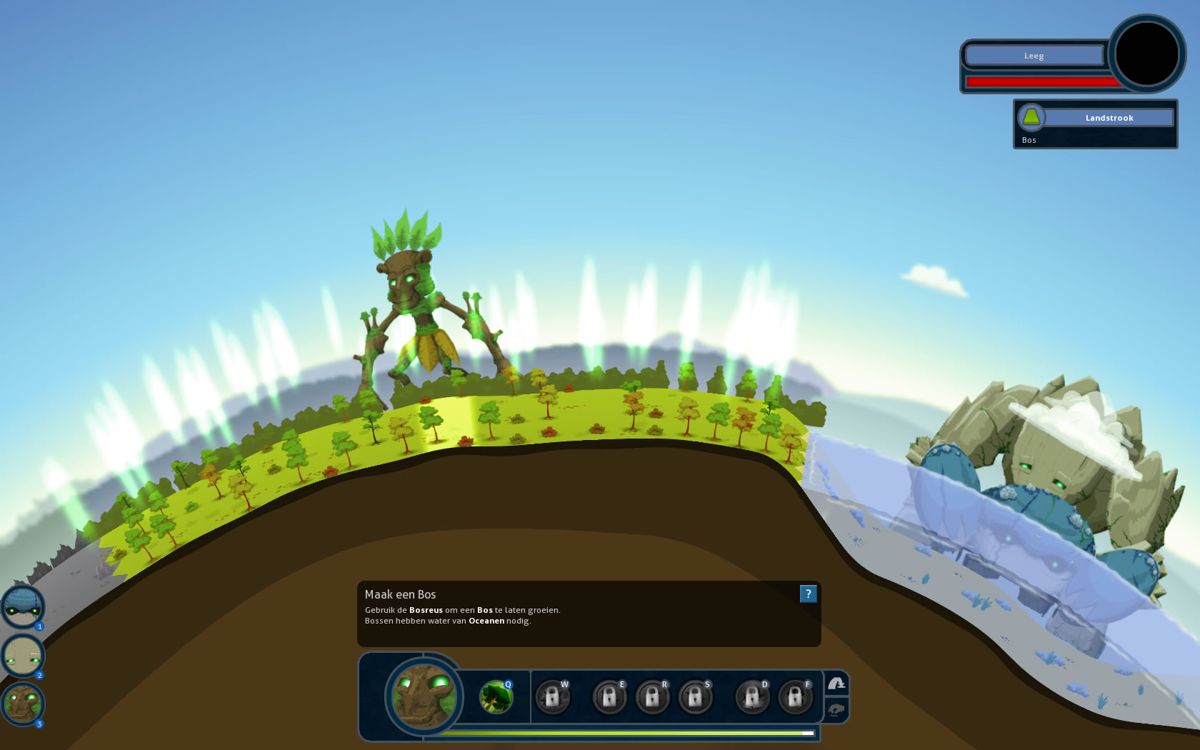
The side-view planet gives Reus a clear, toybox-like stage for its four enormous elemental giants and the small human settlements beneath them. Forest, mountain, ocean, and swamp territory are easy to distinguish, which matters when you are tracking the resources each giant can introduce.
Seeing gigantic guardians share the world with tiny settlements reinforces the game’s central scale: you are shaping a civilization from above, but its people can still make trouble on their own.
Story
Reus tells its story through stewardship rather than a fixed campaign of named characters. You begin as the force guiding a young world, deciding what food, life, and mineral wealth will be available inside human borders. That premise keeps each settlement from feeling like a disposable statistic; it is a community shaped by your earlier decisions.
Human development is the real narrative engine. Give people the right benefits and they settle and expand, but growth can turn into greed. The shift from benevolent creator to stern punisher is the game’s most effective dramatic idea, because it makes your power feel morally complicated instead of purely celebratory.
There is a pleasing fable-like quality to the conflict between abundance and aggression. Reus does not ask you to save humanity from an outside villain. It asks whether you can cultivate a prosperous world without letting that prosperity become destructive.
Overall Experience
Reus earns its 7/10 by making planetary caretaking feel more active and less passive than its calm premise suggests. Building a world through four complementary giants is immediately inviting, and the upgradeable plants, animals, and minerals give you enough room to experiment with how settlements develop.
Its best audience is the gamer who enjoys pausing to consider the knock-on effects of a choice. You need to be comfortable with the idea that a successful settlement may create fresh trouble, and that wielding elemental force means both nurturing and disciplining humanity.
The payoff is a strategy game with an unusually personal sense of cause and effect. Reus is not about conquering the planet; it is about discovering that careful creation is its own challenge, especially once the people you helped flourish start testing the limits of your patience.


Reviews
There are no reviews yet.