 Retro Replay Retro Gaming History, Reviews & Emulation
Retro Replay Review
Gameplay
The first minutes put you in the right frame of mind: you wake in an unfamiliar dark forest with no memory of arriving there, and safety feels far away. Lost in the Dark builds its horror around helplessness. You are not clearing the streets of ghosts. You are trying to slip through them long enough to uncover memories and lift a curse, which makes even a short trip through town feel like a gamble.
The core tools are wonderfully anxiety-inducing because they are so limited. A flashlight helps uncover secrets and specters, while the girl’s heartbeat helps you sense danger nearby. Neither turns the night into a comfortable place. When a ghost closes in, running and hiding become the obvious responses, but the ability to close your eyes adds a particularly unnerving wrinkle. It asks you to deliberately give up sight when sight is what you want most.
That tension will click for you if you enjoy survival horror built around avoidance, careful movement, and listening closely. It can also become frustrating if you prefer a stronger sense of control over threats. Here, the pressure comes from being small and exposed in a hostile town. The best moments are likely to be the ones where you make it past a threat with your nerves barely intact, not the ones where you feel in control.
Graphics
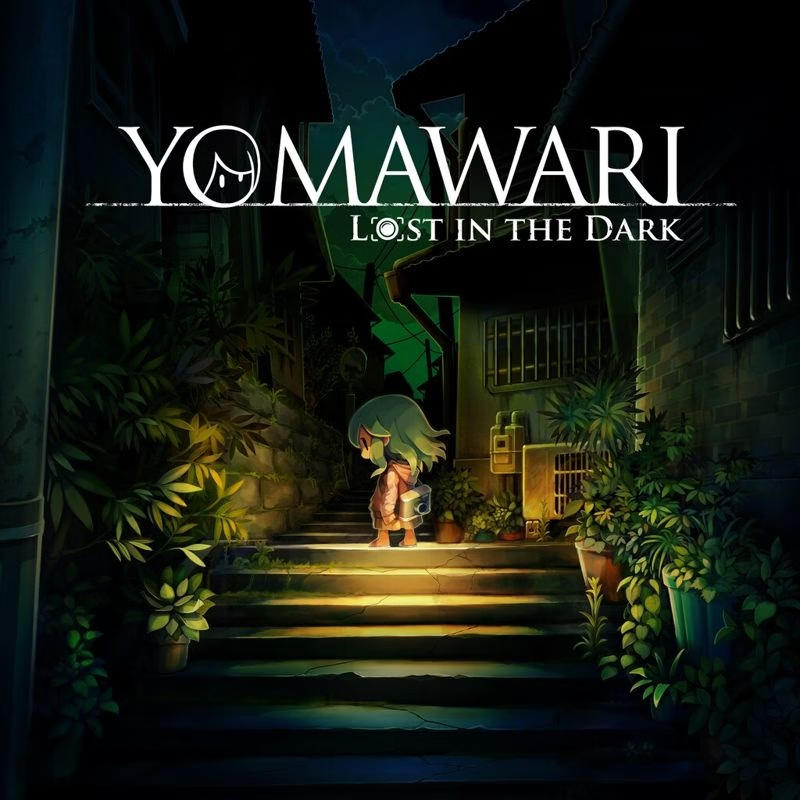
Lost in the Dark uses 2D, diagonal-down views to frame nighttime streets and shadowy environments from above. The darkness is central to the imagery: shadowy environments and gruesome ghosts give the flashlight exploration a threatening backdrop. The anime-influenced character art gives the young heroine a vulnerable contrast against the horror around her.
Story
The story starts with a clean, compelling horror hook. A young girl wakes in a forest without her memories, meets a mysterious person, and learns she has been cursed. That is enough to make the immediate goal feel personal: find a way out, recover what was lost, and find a way to survive the night.
Searching the town for memories gives the mystery a natural structure. Rather than sending you into darkness just for a string of scares, the premise connects each risky excursion to the girl’s missing past. The town is frightening because it is familiar territory turned wrong, a place that should offer comfort but instead hides malevolent ghosts.
It is a setup that favors mood and gradual discovery over a broad, world-spanning adventure. If you like horror stories where uncertainty does much of the work, the forgotten memories and unexplained curse should keep you moving forward. The mystery is inseparable from the danger, since every answer requires another trip into the streets after dark.
Overall Experience
Yomawari: Lost in the Dark understands that fear does not require a weapon. Its most memorable idea is making survival feel active but fragile: you have ways to respond to danger, yet none of them promise safety. Listening for a heartbeat, illuminating the darkness, fleeing, hiding, and closing your eyes all reinforce the same uncomfortable feeling that the night has the advantage.
The game is easiest to recommend to you if suspense matters more than power fantasy. You need to be willing to accept vulnerability as the point, and to let careful exploration set the pace. In return, it offers a concentrated supernatural horror trip with a strong reason to keep pushing through the dread: the girl’s memories and the curse hanging over her.
Series newcomers can jump in with this new story, while returning fans should find the familiar nighttime horror framework sharpened by new ghosts and the eye-closing survival option. Character customization, including hair, clothing, and accessories, is a pleasant personal touch, but the town’s hostility remains the real star. For a closer look at the game’s premise and systems, the publisher’s Yomawari: Lost in the Dark page is useful. This is a tense, worthwhile horror game when you want to feel hunted rather than heroic.


Reviews
There are no reviews yet.