 Retro Replay Retro Gaming History, Reviews & Emulation


Retro Replay Review
Gameplay
The first hour is all about settling into a peculiarly deliberate rhythm. You guide Pachio-kun around top-down casino areas, pick from the available pachinko machines, and earn points that can eventually be exchanged for jewels. That gives the game a little more shape than simply loading a single table and playing forever; you have a reason to move around and a visible long-term target.
At each machine, the interaction is spare but not entirely passive. You adjust shot strength, press the button to launch, and watch where the balls go. The important question is whether you enjoy working within that narrow slice of control. A good run can make you want to keep feeding balls into the same machine, while a dry stretch quickly exposes how much of the experience rests on repetition and chance.
The different machine designs matter because they give you new layouts and contraptions to read rather than asking you to replay one board indefinitely. Use the zoomed-in machine view before committing to a session; it is the clearest way to inspect what you are dealing with. The dedicated pachinko-style controller is also a charming match for the game, though the core loop remains simple: learn a machine, adjust your launch, collect points, and chase jewels.

Graphics
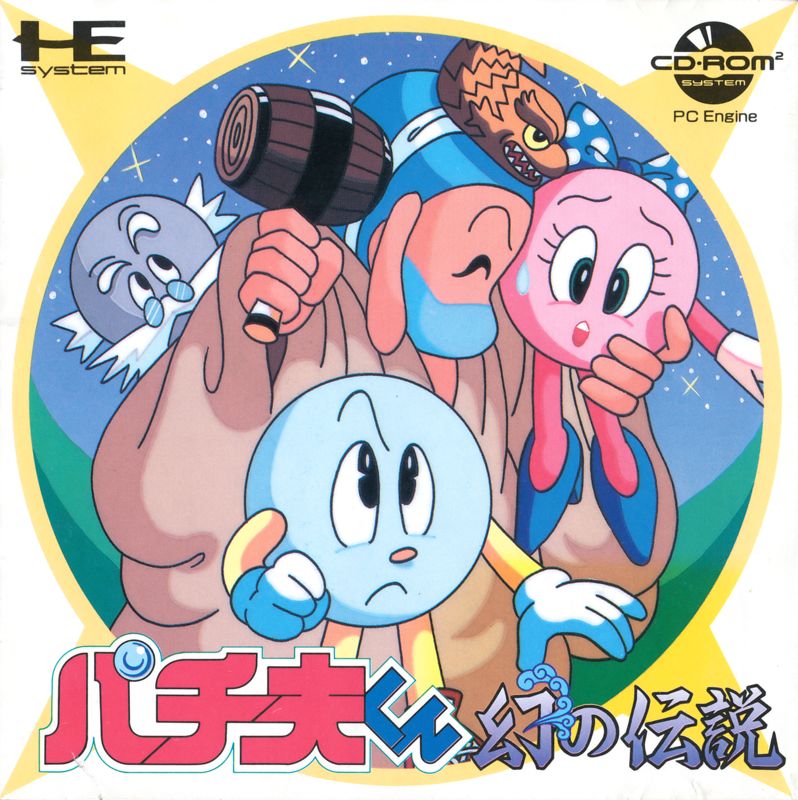
The game shifts between overhead casino exploration and first-person pachinko boards. The machines have distinct themes, backgrounds, and internal arrangements, and the zoom view lets you get a closer look at their details. Pachio-kun’s semi-anthropomorphic mascot look gives the casino wandering a light anime-game character instead of treating it as a plain gambling interface.

Story
Pachio-kun is the center of the game, but the real throughline is his climb toward more jewels. That is enough to frame the action: each points exchange feels like tangible progress rather than a number sitting in a high-score table.
The casinos function as the connective tissue between sessions at the machines. Walking Pachio-kun from place to place gives the game a modest sense of travel and makes choosing a board feel more deliberate than selecting an option from a static list.
Don’t come here for dramatic turns or a character-driven tale. The momentum comes from your own fortunes at the machines—whether you are building points steadily, deciding to try a fresh layout, or cashing in for jewels after a successful stretch.
Overall Experience
Pachio-kun: Maboroshi no Densetsu is a better fit for someone who already finds pachinko fascinating than for someone hoping it will convert them. Its casino hub, jewel goal, and changing machines give the format welcome structure, but they do not disguise how often you will be making nearly identical launch decisions.
There is still a genuine retro pleasure in its commitment to the subject. Instead of treating pachinko as a brief diversion, it builds the whole game around machine selection, shot strength, and the slow satisfaction of turning points into jewels. Once that cadence clicks, it can be quietly absorbing.
My recommendation is cautious but positive for the right mood. Give it a chance if you want a 1991 TurboGrafx CD take on pachinko with a mascot-led casino wrapper and can enjoy repetition as part of the ritual. Skip it if you need dense strategy, fast-changing action, or a plot to carry you between rounds.



Reviews
There are no reviews yet.